A Quick Overview of History and Culture
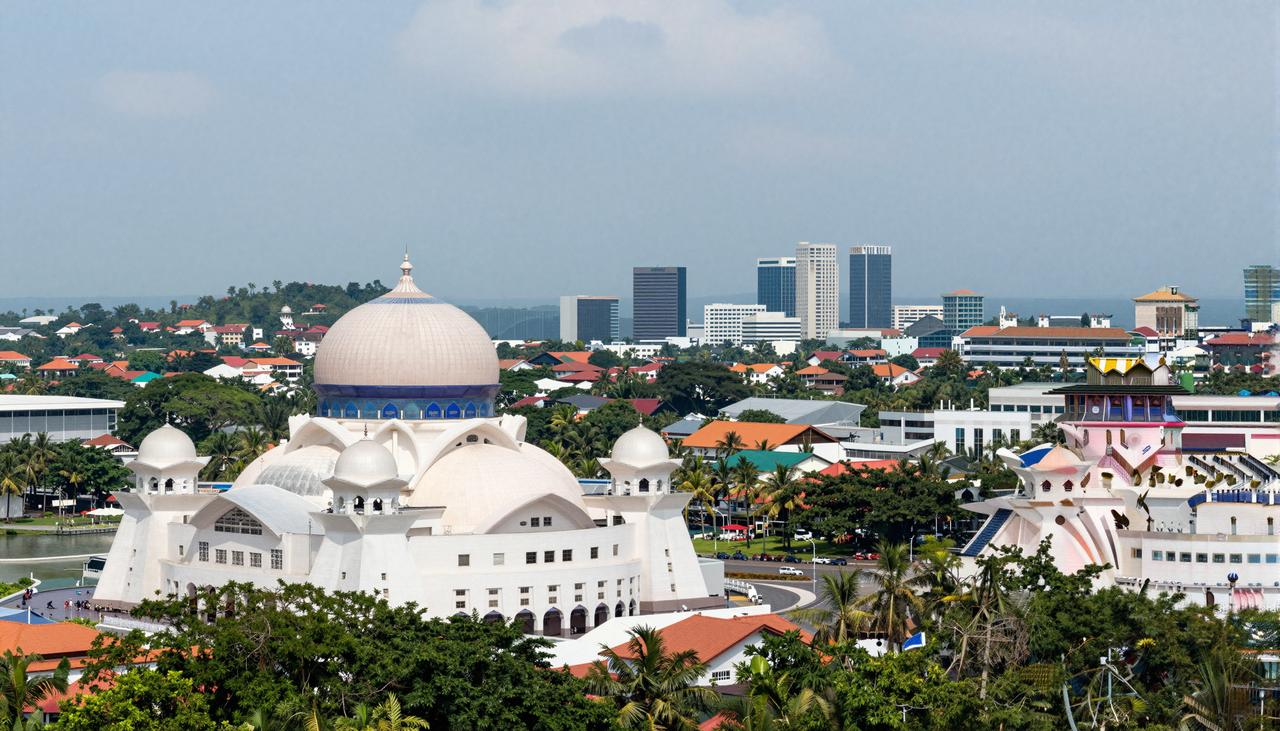
Brunei, located in northern Borneo, is a constitutional monarchy with Islam as its state religion, boasting a rich Malay cultural heritage alongside modern urban landscapes. Its history dates back to the 14th century, when it was one of Southeast Asia’s major trading hubs. Today, Brunei seamlessly blends tradition and modernity, featuring sleek skyscrapers as well as well-preserved historical sites and religious buildings. At the heart of its culture lies Islam, deeply intertwined with Malay traditions such as dance, handicrafts, and festive celebrations. Visitors can gain a deeper understanding of the country’s history and belief systems by exploring mosques, museums, and traditional markets.
Must-Visit Cultural Landmarks
Religious Architecture
Sultan Haji Hassanal Bolkiah Mosque: One of the world’s largest mosques, this golden masterpiece dazzles both inside and out with its opulent decor. It stands as Brunei’s most iconic religious landmark, hosting daily prayers; visitors must adhere to modest dress codes.
Abu Bakar Mosque: Situated in Bandar Seri Begawan’s old town, this is one of Brunei’s oldest mosques, distinguished by its simple, rustic architecture—a perfect introduction to early Islamic design.
Museums and Historical Sites
Brunei Museum: Home to an extensive collection on Brunei’s history, culture, and natural ecology, including traditional costumes, handicrafts, and ancient artifacts, making it an ideal destination for immersing oneself in local civilization.
Istana Nurul Iman: The official residence of the Sultan of Brunei, though not open to the public, offers stunning views from the outside. Nearby exhibition areas provide insights into royal history.
Baitulmuqaddis Mosque: Located along the Brunei River, this historic mosque—one of the earliest in the country—features unique architectural styles and holds significant historical value.
Traditional Neighborhoods and Markets
Kampong Ayer (Water Village): Known as the “Venice of the East,” Kampong Ayer is Brunei’s distinctive floating community, predominantly inhabited by Malays who maintain their traditional riverside way of life. Visitors can explore by boat or on foot.
Daru Aman Market: Brunei’s largest traditional market, bustling with handmade crafts, spices, fruits, and fresh seafood, offering an authentic taste of local life.
Immersive Cultural Experiences
Craft Workshops
In Bandar Seri Begawan’s old town, numerous workshops invite guests to try their hand at traditional Malay crafts, such as palm-leaf weaving, batik dyeing, and wood carving. Many sessions can be booked in advance, with prices typically ranging from $5 to $20.
Traditional Performances and Festivals
Traditional Dance Shows: Held regularly at cultural centers and hotels, performances of dances like “Gurindam” and “Joget” showcase the vibrant music and choreography of Malay culture.
Ramadan Celebrations: If your visit coincides with Ramadan, join an evening iftar (Buka Puasa) to experience the festive spirit of Muslims, but be mindful of fasting hours during the day.
Cultural Guided Tours
Brunei River Cruise: Departing from Bandar Seri Begawan, this scenic boat tour winds along the Brunei River, passing floating villages, churches, and picturesque natural scenery—an excellent way to appreciate the region’s ecology and cultural landscape.
City Sightseeing Tours: Several tour operators offer themed day trips covering key attractions and cultural activities, ideal for travelers with limited time.
Sample Daily Itineraries
Day 1: Exploring Religion and History
Morning: Visit the Sultan Haji Hassanal Bolkiah Mosque to learn about Islamic culture and architectural grandeur.
Afternoon: Head to the Brunei Museum to delve into the nation’s history and cultural treasures.
Evening: Stroll through Bandar Seri Begawan’s old town and soak up its tranquil, traditional ambiance.
Day 2: Discovering Traditional Neighborhoods and Markets
Morning: Explore Kampong Ayer and discover the daily life of Brunei’s water village.
Afternoon: Wander through Daru Aman Market, picking up souvenirs and sampling local delicacies.
Evening: Attend a traditional dance performance to experience Malay culture firsthand.
Day 3: Deepening Cultural Connections
Morning: Participate in a craft workshop, such as batik dyeing or wood carving.
Afternoon: Visit Abu Bakar Mosque to study early Islamic architecture.
Evening: Enjoy a nighttime river cruise along the Brunei River, admiring the illuminated banks and natural beauty.
Day 4: Blending History with Nature
Morning: View the exterior of Istana Nurul Iman and learn about Brunei’s royal legacy.
Afternoon: Explore the Baitulmuqaddis Mosque site and uncover traces of early Islamic architecture.
Evening: Dine at a local restaurant near Bandar Seri Begawan and savor authentic Bruneian cuisine.
Day 5: Reflection and Departure
Morning: Free time to revisit favorite spots or shop for last-minute gifts.
Afternoon: Transfer to the airport according to flight schedules and bid farewell to Brunei.
Cultural Etiquette and Taboos
As an overwhelmingly Muslim nation, Brunei expects visitors to respect local religious customs. Remove shoes and dress modestly before entering mosques; refrain from loud conversations or drinking in public spaces; always seek permission before photographing individuals. Bruneians value politeness and humility, so maintain a friendly demeanor in interactions and avoid direct criticism or heated debates.
Budget Breakdown + Travel Tips + FAQs
Five-Day Itinerary Budget
| Item | Cost (USD) |
|---|---|
| Round-trip Airfare | 500–1,000 |
| Accommodation (mid-range) | 80–120/night × 5 = 400–600 |
| Meals | 30–50/day × 5 = 150–250 |
| Attractions & Tours | 100–200 |
| Local Transport | 50–100 |
| Shopping & Souvenirs | 100–200 |
| Total | 1,450–2,350 |
Travel Tips
- Avoid entering restricted religious sites to prevent misunderstandings or being turned away.
- Refrain from eating or drinking in public during daylight hours in Ramadan—it’s considered disrespectful to Muslims.
- Some attractions may temporarily close or change opening hours, so check for updates before you go.
- Bargain moderately at markets; excessive haggling may come across as impolite.
- Do not touch or photograph religious items without permission, such as Qurans or prayer mats.
- Keep valuables secure, especially in crowded attractions and markets.
Frequently Asked Questions
Q: Do I need a visa to visit Brunei?
A: Chinese citizens holding ordinary passports can enter Brunei visa-free for up to 30 days.
Q: What’s the best time to travel?
A: November to March is the ideal season, with cooler weather perfect for outdoor activities.
Q: What is Brunei’s currency?
A: The Brunei dollar (BND), with an exchange rate of approximately US$1 = BND 1.35.
Q: Should I carry cash?
A: Most businesses accept credit cards, but small vendors and remote areas still prefer cash.
Suggested Resources for Further Information
- Official Tourism Board: Brunei Tourism
- Attraction Websites: e.g., Sultan Haji Hassanal Bolkiah Mosque (no public link available)
- Mapping Platforms: Google Maps / Google Earth
- Transportation: Royal Brunei Airlines
- Local Communities: TripAdvisor / Facebook groups (e.g., Brunei Travel Community)