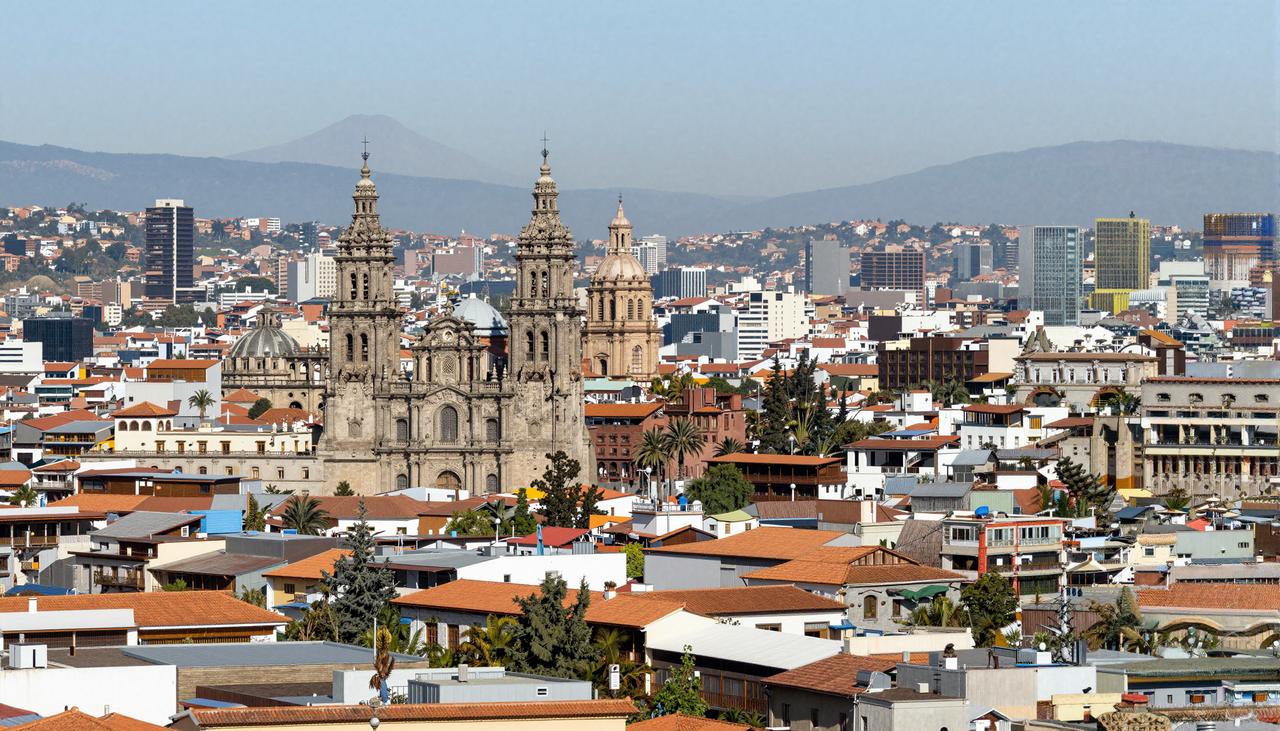
A Quick Overview of History and Culture
Chile is a country rich in cultural heritage, with a history that stretches back to the ancient Inca civilization and the Araucanians. As its capital, Santiago ranks among South America’s most important cultural hubs, blending Spanish colonial legacies with indigenous traditions. Beyond being a political and economic powerhouse, the city also boasts a vibrant tapestry of art, music, and literature. Visitors here can immerse themselves in the unique charm of Latin American culture, where every corner—from colonial architecture to contemporary street art—tells a story of history, resilience, and renewal.
Must-Visit Cultural Landmarks
Museums and Historical Sites
1. Chile National Museum of Natural History (Museo Nacional de Historia Natural)
Located in downtown Santiago, this museum offers an invaluable glimpse into Chile’s natural and human history. Exhibits include ancient Inca artifacts, geological specimens, and ethnographic materials.
2. San Cristóbal Hill (Cerro San Cristóbal)
Perched atop the city, this vantage point not only provides panoramic views but also houses a statue of the Virgin Mary and a sprawling park, making it a cherished spot for both leisure and religious gatherings.
3. Atacama Desert Museum (Museo del Desierto)
Though situated in the Atacama region, it’s easily accessible via a day trip, offering insights into the world’s driest desert, its distinctive ecosystems, and archaeological treasures.
Religious Architecture
4. Santiago Metropolitan Cathedral (Catedral Metropolitana)
Built in the 18th century, this cathedral is one of Chile’s most significant religious landmarks, renowned for its exquisite interior design that reflects the artistic style of the colonial era.
5. Monastery of Saint Nicholas (Monasterio de San Nicasio)
A historic monastery once serving as a Jesuit mission, parts of it are now open to the public, providing a window into colonial life.
Cultural Districts
6. Lastarria Neighborhood (Barrio Lastarria)
The cultural heart of Santiago, this lively district brims with galleries, cafés, and independent bookstores, making it a thriving center for art and creativity.
7. Plaza de la Constitución (Constitution Square)
Also known as “Freedom Square,” this plaza symbolizes Santiago’s political and historical identity, surrounded by government buildings and monuments.
Immersive Cultural Experiences
Handcraft Workshops
8. Pizarro Market (Mercado Central)
At Santiago’s bustling central market, you can find traditional handicrafts such as woolen goods, pottery, and silver jewelry. Be sure to shop at reputable stalls to avoid overpricing.
Local Performances
9. Municipal Theater (Teatro Municipal)
One of Chile’s most iconic theaters, it regularly hosts opera, ballet, and drama performances. Reservations are recommended, especially for popular shows.
Festivals and Celebrations
10. Chile’s National Day (January 17)
If your visit coincides, join nationwide festivities featuring fireworks, concerts, and traditional dance performances.
Guided Tours
11. Historical Walking Tour (Tour Histórico)
Opt for a guided tour led by local experts to gain deeper insights into Santiago’s urban evolution and cultural transformations. Many agencies offer multilingual services.
12. Inca Culture Workshop (Workshop de Cultura Inca)
At select cultural centers or tourism organizations, participate in hands-on activities or learn about Inca traditions, enriching your cultural immersion.
Daily Cultural Itineraries
Day 1: Colonial History Meets Urban Scenery
- Morning: Visit the Santiago Metropolitan Cathedral and Constitution Square to explore colonial politics and religion.
- Afternoon: Stroll through Lastarria, discovering its artistic and cultural spaces.
- Evening: Dine near the central market, savoring local cuisine, then take a leisurely walk up San Cristóbal Hill.
Day 2: Nature and History Converge
- Morning: Explore the Chile National Museum of Natural History, tracing the interplay between nature and humanity.
- Afternoon: Head to the Monastery of Saint Nicholas to experience the spiritual ambiance of the colonial period.
- Evening: Enjoy a performance at a local theater in the city center.
Day 3: Cultural Quarters and Craftsmanship
- Morning: Wander through Lastarria, visiting galleries and independent bookstores.
- Afternoon: Venture to Pizarro Market to shop for souvenirs and sample regional snacks.
- Evening: Dine at a cozy Santiago tavern or restaurant, soaking up the local social scene.
Day 4: A Journey to Remote Cultural Treasures
- Morning: Travel to the Atacama Desert Museum (arrange transportation in advance) to delve into desert culture and archaeological finds.
- Afternoon: Return to the city and conclude your trip with a visit to a cultural exhibition or bustling market.
- Evening: Depart according to your flight schedule.
Cultural Etiquette and Taboos
Chileans value politeness and respect, particularly in public and formal settings. When entering religious sites, maintain silence and refrain from loud conversations. Avoid unnecessary physical contact in public, especially in crowded areas. Polite expressions like “thank you” and “please” are always appreciated. Additionally, steer clear of discussing politics in public unless the topic is brought up by others.
Budget Breakdown + Travel Tips + FAQs
Budget Estimate (per person, approximately USD 1,000–1,200)
| Item | Estimated Cost (USD) |
|---|---|
| Round-trip Airfare | 300–500 |
| Accommodation (4 nights) | 200–300 |
| Meals | 100–150 |
| Tickets & Activities | 100–150 |
| Transportation | 50–80 |
| Miscellaneous (souvenirs, emergencies) | 50–100 |
| Total | 800–1,200 |
Travel Tips
- Beware of unsolicited “free guides” on the streets—they may be scams.
- Always confirm prices before purchasing at markets to avoid inflated rates.
- Refrain from hailing taxis near tourist attractions; use official ride-hailing apps or public transit instead.
- Travel in groups at night for added safety.
- Some attractions’ hours may vary during holidays, so check ahead of time.
- Book tours and activities only through reputable providers to avoid fraud.
FAQs
Q: Do I need a visa to visit Chile?
A: Chinese citizens holding ordinary passports can enter Chile visa-free for stays of up to 90 days.
Q: Should I carry cash?
A: While credit cards are widely accepted, smaller vendors may prefer cash, so bring some Chilean pesos just in case.
Q: What’s the weather like in Chile?
A: Santiago enjoys a Mediterranean climate, with hot, dry summers and mild, wet winters. The best time to visit is spring (September–November).
Suggested Resources for Further Information
- Official Tourism Board: Santiago Turismo
- Attraction Websites: Chile National Museum of Natural History, Santiago Metropolitan Cathedral, Atacama Desert Museum
- Mapping Platforms: Google Maps / Waze
- Transportation Portals: Chilean Airlines, Santiago Metro