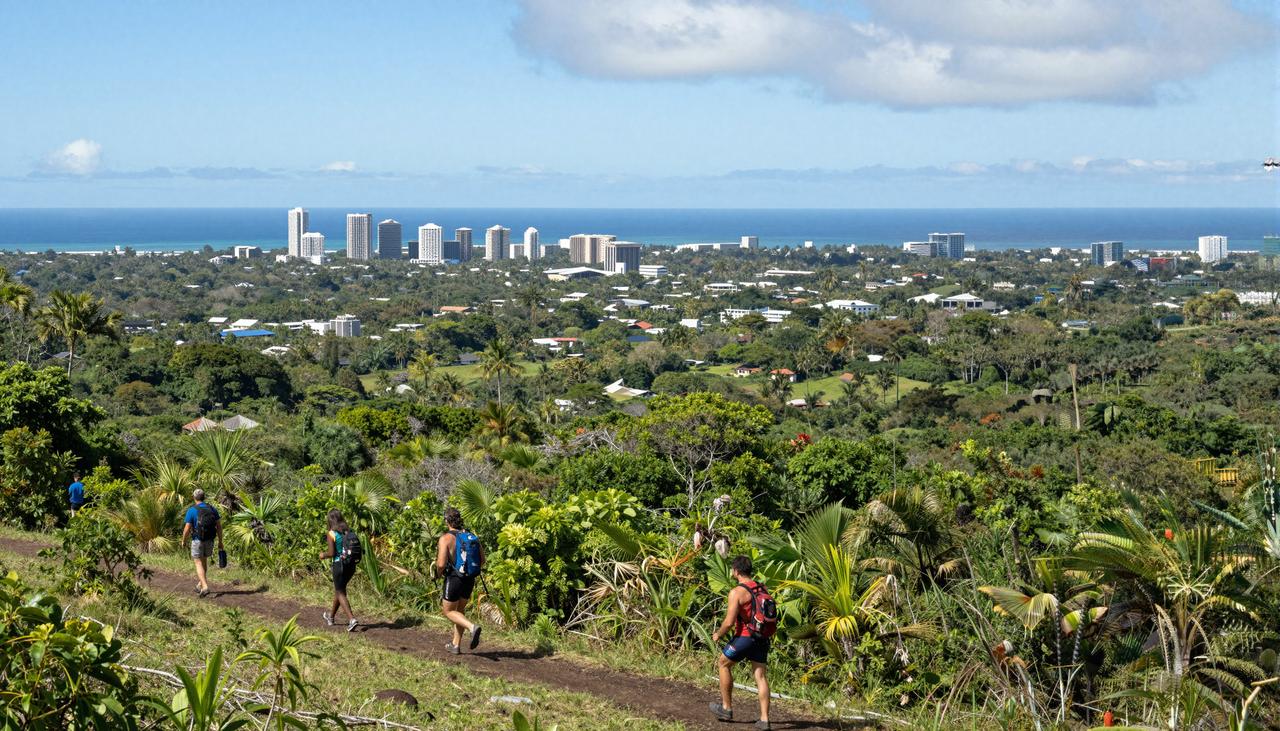
Outdoor Resources and Seasonal Windows
Fiji is located in the South Pacific and enjoys a tropical maritime climate, with warm, humid conditions year-round. The best time for outdoor activities runs from May to October, when rainfall is minimal and the weather remains stable. From November through April, the rainy season brings occasional typhoons, which may disrupt some itineraries.
Fiji’s outdoor adventure options vary in physical demand, ranging from gentle hikes to strenuous jungle treks. It’s advisable to choose trails that match your fitness level and to engage in preparatory training beforehand. Certain routes require a professional guide, especially in jungle or aquatic areas—safety should always come first.
Three Core Routes
Route 1: Tabuatabu Island Loop Hike
- Distance: Approximately 12 km
- Elevation Gain: About 300 m
- Duration: Roughly 6 hours (excluding breaks)
- Difficulty: Moderate
- Supply Points: A small convenience store at the trailhead; no fixed resupply points along the way—bring your own snacks and water
This route circles Tabuatabu Island, offering glimpses of pristine rainforest, beaches, and coral reefs. It’s ideal for nature lovers and those seeking a short, scenic hike. Be sure to pack waterproof bags to protect your gear from rain.
Route 2: Namosi Island Jungle Trek
- Distance: Approximately 18 km
- Elevation Gain: Around 600 m
- Duration: About 8 hours (including breaks)
- Difficulty: High
- Supply Points: Temporary campsites along the trail; bring high-calorie foods and a water purification system
Namosi Island is an important cultural hub in inland Fiji, and this trek takes you through mountainous terrain and local villages, providing a glimpse into indigenous life. Take extra care to guard against mosquitoes by wearing long sleeves and using insect repellent.
Route 3: Vatulele Island Snorkeling and Coastal Hike
- Distance: Approximately 10 km
- Elevation Gain: About 100 m
- Duration: Roughly 5 hours (including snorkeling)
- Difficulty: Low to moderate
- Supply Points: Restaurants and small shops on the island allow you to refuel as needed
This itinerary combines snorkeling with coastal walking, making it perfect for beginners or families. Set out early in the morning to avoid the heat while enjoying crystal-clear waters and vibrant marine life.
Sample Daily Itinerary
Day 1: Arrive in Nadi, Acclimate
- Morning: Land at Nadi International Airport and check into your hotel.
- Afternoon: Free time to explore the surroundings and prepare for the next day.
- Evening: Rest and recharge at your hotel.
Day 2: Tabuatabu Island Loop Hike
- Morning: Take a speedboat from Nadi to Tabuatabu Island.
- Noon: Enjoy lunch on the island to replenish your energy.
- Afternoon: Begin the loop hike and finish back at the pier.
- Evening: Return to Nadi and relax.
Day 3: Namosi Island Jungle Trek
- Morning: Board a boat from Nadi to Namosi Island.
- Noon: Stop at a campsite for a meal and a brief rest.
- Afternoon: Press deeper into the jungle and complete the trek.
- Evening: Return to Nadi and stow away your gear.
Day 4: Vatulele Island Snorkeling and Hiking
- Morning: Take a ferry to Vatulele Island.
- Noon: Snorkel among corals and fish.
- Afternoon: Walk along the coast, soaking in the stunning scenery.
- Evening: Head back to Nadi and unwind.
Day 5: One-Day Trip to the Cook Islands
- Full Day: Catch a ferry to the Cook Islands for a short hike and snorkeling session.
- Evening: Return to Nadi and adjust your schedule.
Day 6: Masuva Island Mountain Climb and Scenic Views
- Morning: Take a boat to Masuva Island and begin your ascent.
- Noon: Enjoy a picnic at the summit with panoramic views of the island.
- Afternoon: Descend, stopping to visit a local village along the way.
- Evening: Return to Nadi and reflect on the trip.
Day 7: Prepare for Departure
- Morning: Pack your bags and pick up souvenirs.
- Afternoon: Head to the airport and say goodbye.
Gear and Safety
Layered Packing List
- Essentials: Sunscreen, hat, sunglasses, water bottle, portable charger
- Hiking Gear: Trekking poles, backpack, rain cover, headlamp, first-aid kit
- Snorkeling Gear: Mask, snorkel, fins (rent if necessary; confirm availability in advance)
- Emergency Supplies: Waterproof phone pouch, hand-crank radio, spare batteries
Weather Contingency Plan
- In case of heavy rain or strong winds, seek safe shelter immediately and avoid wading or climbing.
- Stay calm during unexpected situations and use your hand-crank radio to stay informed about changing weather.
- Carry a waterproof map and compass as backup in case electronic devices fail.
Emergency Contacts
- Fiji emergency numbers: 119 (police), 112 (medical)
- Signal can be weak in remote areas; download offline maps ahead of time.
- Keep in touch with your local guide or travel agency to ensure prompt assistance.
Budget Breakdown + Risk-Avoidance Tips + FAQs
Budget Estimate (per person, in RMB)
| Item | Amount (RMB) |
|---|---|
| Flights | 3,000–5,000 |
| Accommodation | 800–1,200 |
| Transportation | 500–800 |
| Meals | 600–1,000 |
| Activity Fees | 1,000–1,500 |
| Emergency Fund | 500 |
| Total | 6,400–9,000 |
Risk-Avoidance Checklist
- Ignoring Weather Changes: Always check forecasts before traveling during the rainy season to avoid getting stranded.
- Failing to Book Boats in Advance: Some islands are only accessible at certain times; confirm your itinerary ahead of schedule.
- Not Bringing Enough Water: Resupply points are limited on many trails—pack plenty of fluids.
- Neglecting Mosquito Protection: Dense jungles teem with insects; bring repellent and protective clothing.
- Unfamiliarity with Local Regulations: Certain protected areas prohibit entry—research rules in advance.
- Forgoing Travel Insurance: Unexpected injuries or flight delays can lead to costly surprises.
- Underestimating Physical Demands: Train beforehand for challenging routes to avoid exhaustion mid-trip.
- Disregarding Environmental Principles: Leave no trash behind and respect local culture and natural habitats.
FAQs
Q: Do I need a visa to visit Fiji?
A: Chinese citizens holding ordinary passports can enter visa-free for stays of up to 30 days.
Q: Should I purchase travel insurance?
A: Highly recommended, especially if you plan to participate in outdoor or water-based activities.
Q: Is English widely spoken?
A: English and Fijian are both commonly used; many locals speak English fluently.
Q: What documents do I need to carry?
A: Passport, ID card, and your travel insurance policy (if applicable).
Q: Do I need an instructor for snorkeling?
A: Beginners are advised to join guided snorkeling tours for safety.
Information Verification Recommendations
- Official Tourism Authority: Fiji Tourism website (https://www.fiji.travel/)
- Attraction Websites: Individual island tourism centers
- Mapping Platforms: Google Maps, Baidu Maps
- Transportation Sites: Fiji Airways and local ferry operators’ websites
- Local Tour Operators: Consult with local guides or online platforms like Booking.com and TripAdvisor