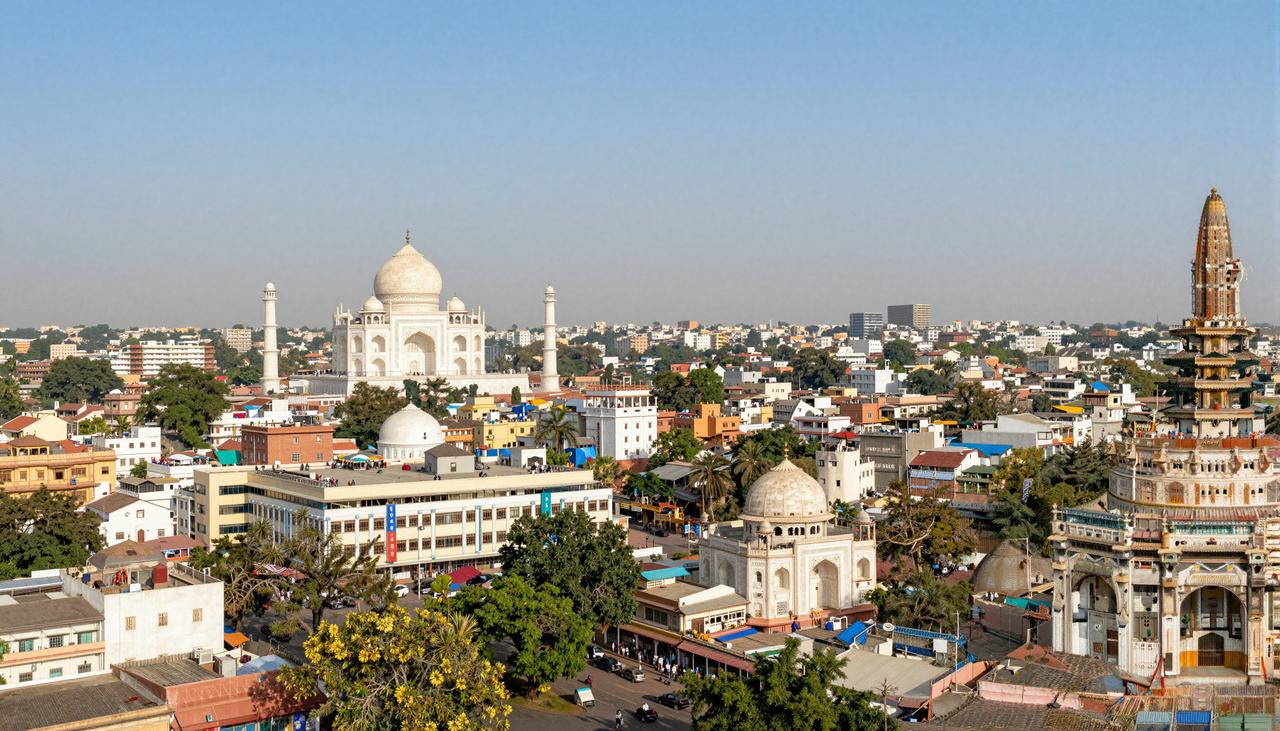
Shopping Map Overview
India offers a rich and diverse shopping experience, ranging from traditional bazaars to modern shopping malls, catering to different budgets and interests. Delhi, Mumbai, Bangalore, Jaipur, Agra, Varanasi, and Hyderabad are the main shopping hubs, each with its own unique charm.
- Delhi: Known for traditional handicrafts, antiques, and large shopping malls, such as Rajasthan Market near Delhi Railway Station and South Delhi Mall.
- Mumbai: Home to CFO, one of Asia’s largest shopping centers, as well as the historic Kopargaon Market.
- Bangalore: With a strong tech vibe, it’s ideal for buying electronics and trendy fashion.
- Jaipur: Famous for jewelry, carpets, and handwoven textiles, with numerous traditional markets in the old city.
- Agra: Specializes in marble products and souvenirs, located close to the Taj Mahal.
- Varanasi: Religious items, silk, and spices are the highlights.
- Hyderabad: Renowned for diamond cutting and traditional attire.
Overall, India is a great destination for shoppers who enjoy cultural experiences and value-for-money finds. It’s recommended to plan your itinerary in advance and familiarize yourself with the shopping specialties of each region.
Sale Seasons and Tax Refunds
India doesn’t have a unified sale season, but during festivals like Diwali, some malls and stores offer promotions. Additionally, certain brands provide discounts at specific times—keep an eye on their official websites or social media for updates.
Tax Refund Policy
Foreign tourists can claim tax refunds at Indian airports after making purchases. The general requirements are:
- A single purchase must exceed 5,000 rupees (about $50).
- Keep the original invoice and present it to customs before departure.
- Process the refund at designated counters.
The refund process typically involves: keeping the invoice after shopping → heading to the airport refund counter before departure → submitting the invoice to receive cash or a bank transfer.
Common Questions
- Do I need my passport for a tax refund? Yes, you must carry a valid passport.
- Does the refund amount include tax? Usually not; the refund is a percentage of the product’s price.
- Can I get multiple refunds? Generally, only one refund is allowed per trip.
Before traveling, check the latest tax refund regulations to ensure a smooth shopping experience.
Must-Visit Malls and Markets
1. Delhi: South Delhi Mall
Located in southern Delhi, this is one of India’s largest shopping malls, featuring international brands and local designer boutiques. It’s perfect for fashion, electronics, and home goods.
2. Mumbai: CFO (Central Forum Outlet)
Situated in the suburbs of Mumbai, this is one of India’s most famous outlet malls, offering discounted items from many international brands—ideal for budget-conscious shoppers.
3. Jaipur: Bapu Bazaar
In Jaipur’s old town, this is one of the city’s most iconic traditional markets, selling jewelry, carpets, and handmade textiles—great for finding unique souvenirs.
4. Bangalore: UB City
A mixed-use complex combining shopping, offices, and residences, it brings together international labels and local designers, catering to high-end tastes.
5. Hyderabad: Lal Darwaza Market
A historic market specializing in diamond cutting, gold jewelry, and traditional attire—perfect for jewelry enthusiasts.
6. Agra: Markets Near Agra Fort
Around the Taj Mahal, these markets offer marble crafts, carved ornaments, and souvenirs—ideal for picking up small keepsakes.
7. Varanasi: Markets Near Banaras Hindu University
Focused on silk, spices, and religious items, these markets are great for purchasing culturally significant goods.
8. Delhi: Chandni Chowk
One of the oldest and most vibrant markets, selling traditional clothing, spices, and handicrafts—immersive for experiencing the old city’s charm.
9. Mumbai: Colaba Causeway
On Mumbai’s seafront, this is a favorite spot for young shoppers, with plenty of independent designer shops and vintage stores.
10. Bangalore: Majestic Market
In the city center, this is a local favorite for fresh fruits, spices, and fabrics—perfect for everyday essentials.
11. Hyderabad: Charminar Market
Around the iconic Charminar mosque, this market sells traditional clothing, jewelry, and spices—a key symbol of local culture.
12. Agra: Mehtab Bagh Market
Across from the Taj Mahal, this market offers fine handicrafts and souvenirs—ideal for high-quality gifts.
These locations cover India’s major shopping hotspots and can be tailored to fit your itinerary.
Must-Buy List
-
Handwoven Carpets (Price range: 5,000–20,000 rupees)
- Best places to buy: Jaipur, Delhi
- How to spot fakes: Check the complexity of the design and whether the materials are natural; avoid overly cheap options.
-
Jewelry (Price range: 5,000–50,000 rupees)
- Best places to buy: Hyderabad, Jaipur
- How to spot fakes: Look for official certifications and shop at reputable stores.
-
Spices and Essential Oils (Price range: 1,000–5,000 rupees)
- Best places to buy: Varanasi, Bangalore
- How to spot fakes: Smell for purity and check for intact packaging.
-
Silk Clothing (Price range: 3,000–10,000 rupees)
- Best places to buy: Varanasi, Hyderabad
- How to spot fakes: Feel the fabric’s softness and verify clear labeling.
-
Handicrafts (Price range: 1,000–5,000 rupees)
- Best places to buy: Delhi, Agra
- How to spot fakes: Pay attention to craftsmanship details and steer clear of mass-produced imitations.
-
Electronic Devices (Price range: 10,000–50,000 rupees)
- Best places to buy: Bangalore, Mumbai
- How to spot fakes: Purchase from authorized dealers and confirm warranty coverage.
-
Tea and Coffee (Price range: 500–2,000 rupees)
- Best places to buy: Bangalore, Varanasi
- How to spot fakes: Choose well-known brands and check the production date.
-
Leather Goods (Price range: 2,000–10,000 rupees)
- Best places to buy: Delhi, Mumbai
- How to spot fakes: Inspect the leather’s suppleness and stitching quality.
-
Hand-Carved Woodwork (Price range: 2,000–8,000 rupees)
- Best places to buy: Delhi, Agra
- How to spot fakes: Examine the carving’s precision and avoid machine-made pieces.
-
Traditional Indian Headscarves (Price range: 1,000–5,000 rupees)
- Best places to buy: Jaipur, Hyderabad
- How to spot fakes: Opt for hand-woven styles and avoid excessive dyeing.
-
Spice Blends (Price range: 500–2,000 rupees)
- Best places to buy: Varanasi, Bangalore
- How to spot fakes: Choose packages with clear ingredient lists.
-
Souvenir Sets (Price range: 1,000–5,000 rupees)
- Best places to buy: Agra, Jaipur
- How to spot fakes: Avoid low-cost imitations and shop at trusted vendors.
Daily Shopping Itineraries
Day 1: Delhi
- Morning: Explore Chandni Chowk market
- Afternoon: Visit South Delhi Mall
- Dinner: Restaurant near Delhi Railway Station
Day 2: Jaipur
- Morning: Bapu Bazaar
- Afternoon: Jalebhai Bazaar
- Dinner: Old Town restaurant in Jaipur
Day 3: Agra
- Morning: Markets near Agra Fort
- Afternoon: Mehtab Bagh Market
- Dinner: Agra city center restaurant
Day 4: Varanasi
- Morning: Markets near Banaras Hindu University
- Afternoon: Ganges Riverfront market
- Dinner: Riverside restaurant
Day 5: Bangalore
- Morning: Majestic Market
- Afternoon: Shop at UB City
- Dinner: Bangalore city restaurant
Day 6: Mumbai
- Morning: Colaba Causeway
- Afternoon: CFO outlet mall
- Dinner: Mumbai seaside restaurant
Day 7: Hyderabad
- Morning: Charminar Market
- Afternoon: Lal Darwaza Market
- Dinner: Old Town restaurant in Hyderabad
Customs and Shipping Tips + Budget Table + Pitfall Checklist + FAQs
Customs and Shipping Reminders
- Don’t exceed your home country’s duty-free allowance; check local customs rules beforehand.
- For large electronics or luxury items, consider having them shipped directly to avoid excess baggage.
- Be mindful of luggage weight limits, especially on domestic flights.
Sample Budget (for a 7-Day Trip)
| Category | Estimated Cost (INR) |
|---|---|
| Accommodation | 30,000–50,000 |
| Meals | 15,000–25,000 |
| Transportation | 10,000–15,000 |
| Shopping | 20,000–40,000 |
| Miscellaneous | 5,000–10,000 |
| Total | 80,000–140,000 |
Pitfall Checklist
- Beware of “authentic low prices”—watch out for counterfeit goods.
- In traditional markets, avoid being guided by “tour guides” to overpriced shops.
- Don’t accept unsolicited “free samples” or “discount coupons.”
- Always ask for a formal receipt when buying jewelry or electronics.
- Avoid purchasing high-value items at airports or train stations to prevent inflated prices.
- Be polite when bargaining in markets to avoid conflicts.
FAQs
- Q: Can I use credit cards for shopping in India? A: Most malls accept cards, but smaller markets may only take cash.
- Q: Is it possible to return purchases? A: Returns are rarely accepted; confirm exchange policies before buying.
- Q: How do I identify genuine products? A: Examine packaging, materials, and brand markings; ask sellers for certification if needed.
Information Verification Tips
- Official tourism websites (e.g., India Tourism website)
- Individual attraction websites (e.g., CFO, UB City)
- Mapping platforms (e.g., Google Maps, TripAdvisor)
- Transport portals (e.g., Indian Railways, Air India)
- Local tourist information centers