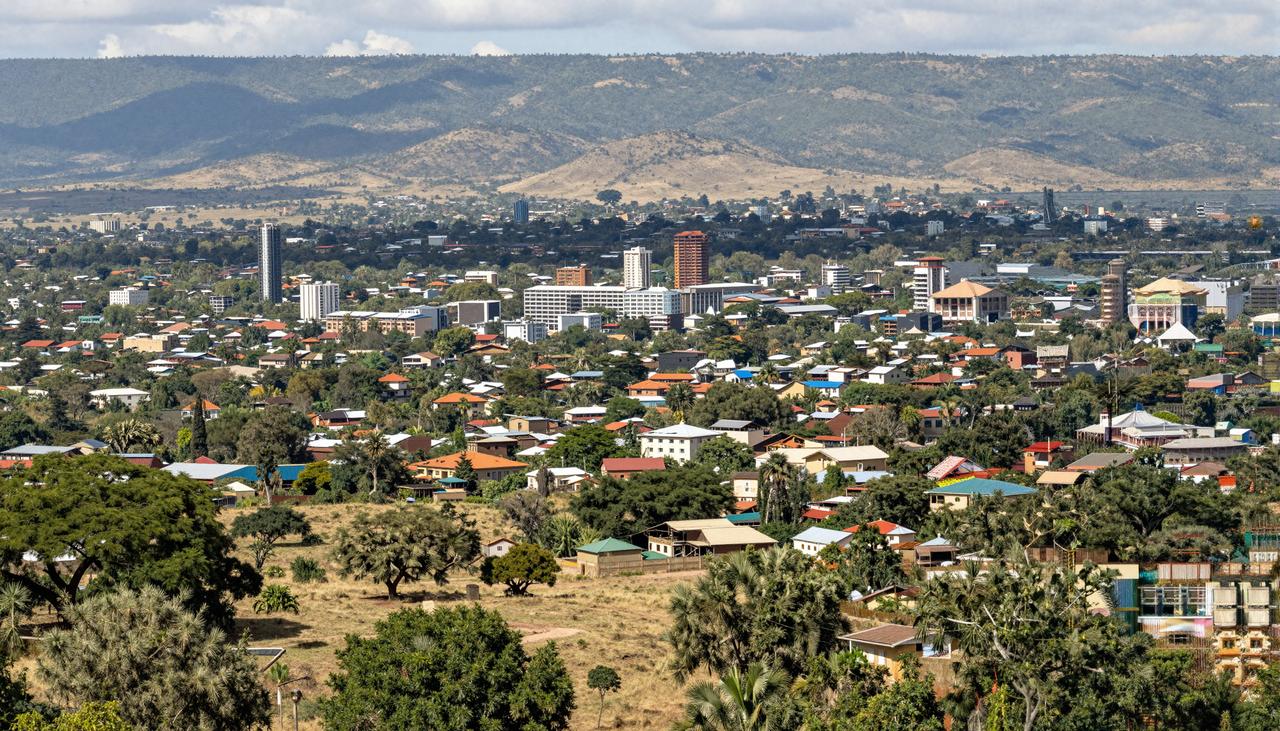
A Quick Overview of History and Culture
Kenya is one of the cradles of East African civilization, boasting a rich tapestry of tribal cultures and a colonial past. From the Maasai’s nomadic traditions to the vibrant fusion of Swahili culture, and the enduring legacy of British rule, this city stands at the crossroads of multiple civilizations. Kenya’s ethnic heritage is celebrated through tribal ceremonies, music, dance, and intricate handicrafts, while its stunning natural landscapes have profoundly shaped the local way of life. To truly appreciate Kenya’s unique charm, one must delve into its diverse ethnic groups, religious beliefs, and historical transformations.
Must-Visit Cultural Landmarks
Museums and Historical Sites
-
Nairobi National Museum: Located in downtown Nairobi, this museum showcases Kenya’s history from prehistoric times to the present, featuring archaeological finds, traditional attire, and artisanal crafts.
-
Maasai Mara National Reserve: While renowned for its wildlife, this iconic reserve is also the ancestral homeland of the Maasai people. Visitors can explore their villages and gain insight into their time-honored way of life.
-
Kariokor Church: Situated in Nairobi, this historic church is one of Kenya’s earliest Christian places of worship, blending European and indigenous architectural styles.
-
Nairobi Central Mosque: One of Africa’s largest mosques, it exemplifies the profound influence of Islamic culture across Kenya.
-
Kisumu Museum: Nestled on the shores of Lake Victoria, this museum chronicles the history and culture of western Kenya, with a particular focus on the Luo and Luhya peoples.
-
Turkana Basin: A world-famous paleoanthropological site, it has yielded numerous early human fossils, making it a cornerstone for studies on human evolution.
Religious and Cultural Centers
-
St. Mary’s Cathedral: A striking Gothic-style cathedral, it serves as a vital spiritual hub for Nairobi’s Catholic community.
-
Maasai Market: Found in Nairobi or near the Maasai Mara, this bustling market offers handmade Maasai jewelry, textiles, and decorative items—a window into the tribe’s rich cultural heritage.
-
Lamu Old Town: Though not in Nairobi, this ancient Swahili town—one of Kenya’s oldest—is a must-see, offering a vivid glimpse of Arab-African cultural交融.
-
Mombasa Fort: Although somewhat distant, this Portuguese-built fortress remains an iconic symbol of Kenya’s colonial history.
-
Ngong Hills: Revered as a sacred site by the Maasai, these hills provide panoramic views of Nairobi and epitomize the harmonious blend of culture and nature.
-
Lake Albert: Located in northern Kenya, the surrounding region is home to a variety of ethnic groups, inviting travelers to immerse themselves in its diverse cultural tapestry.
Immersive Cultural Experiences
-
Maasai Village Visit: In the Maasai Mara or around Nairobi, participate in daily Maasai activities—learn traditional dances, craft ornaments, and even join a bonfire dinner.
-
Swahili Cultural Exploration: In Mombasa or Lamu, savor local delicacies, enjoy Swahili music performances, and discover the language and customs that define this unique culture.
-
Craftsmanship Workshops: In Nairobi or Kisumu, take part in woodcarving, weaving, or pottery classes and create your own piece of Kenyan tradition.
-
Festival Participation: If your visit coincides with the right season, join the Maasai “Dancing Festival” or a Swahili wedding ceremony to experience the lively spirit of local celebrations.
-
Cultural Guided Tours: Engage a local tour operator to arrange a specialized cultural day trip, delving deep into history and folklore.
-
Traditional Music and Dance Performances: At theaters or cultural centers in Nairobi or Kisumu, witness captivating performances by Kenyan artists—think Maasai dances, Luo folk routines, and more.
Daily Cultural Itineraries
Day 1: First Steps into Nairobi’s Culture
- Morning: Explore the National Museum to uncover Kenya’s storied past.
- Afternoon: Head to the Maasai Market to pick up souvenirs and soak up Maasai traditions.
- Evening: Enjoy a Swahili music or dance performance, immersing yourself in the local arts scene.
Day 2: Tribes and Nature Intertwined
- Morning: Venture to a Maasai village near the Maasai Mara and engage in cultural exchanges.
- Afternoon: Ascend the Ngong Hills, marveling at the scenery while learning about Maasai mythology.
- Evening: Stroll through downtown Nairobi, visiting the Central Mosque or St. Mary’s Cathedral.
Day 3: Western Heritage and Historical Reflections
- Morning: Discover the cultures of western Kenya at the Kisumu Museum.
- Afternoon: Journey to the Turkana Basin to trace the footsteps of our earliest ancestors.
- Evening: Return to Nairobi and dine at a local eatery to savor traditional cuisine.
Cultural Etiquette and Taboos
When traveling in Kenya, respecting local customs is essential. Avoid touching anyone on the head, a gesture considered taboo among tribes like the Maasai. Maintain silence in religious spaces, and remember to remove your shoes before entering a mosque. When conversing with locals, steer clear of political topics, especially those related to colonial history. Always seek permission before taking photos, particularly in villages or sacred sites. Additionally, be mindful of women’s privacy and refrain from prying into personal matters.
Budget Breakdown + Travel Tips + FAQs
Estimated Daily Budget (Per Person)
| Category | Approximate Cost (USD) |
|---|---|
| Accommodation (3 nights) | $150–250 |
| Meals | $60–100 |
| Local Transportation | $30–50 |
| Entrance Fees/Guided Tours | $40–70 |
| Souvenirs | $20–40 |
| Total | $290–510 |
Common Pitfalls to Avoid
- Beware of “Free Tours” on the Street: Some may lure tourists with low prices only to push expensive products later.
- Purchase Handicrafts from Reputable Sources: Ensure authenticity to avoid counterfeit goods.
- Ask Before Photographing Locals: Especially in rural areas or religious settings, always seek consent first.
- Protect Yourself from the Sun and Stay Hydrated: Kenya’s climate is hot; take precautions during outdoor activities.
- Avoid Solo Nighttime Walks: Particularly in unfamiliar neighborhoods, travel with companions whenever possible.
- Confirm Schedules in Advance: Many cultural experiences are seasonal or weather-dependent, so verify details ahead of time.
Frequently Asked Questions
Q: Do I need to book cultural activities in advance?
A: Yes, especially visits to Maasai villages or guided tours of museums—reservations are recommended.
Q: Are cameras allowed inside religious sites in Kenya?
A: Generally yes, but it’s best to check with staff beforehand.
Q: What are the top cultural experiences in Kenya?
A: We highly recommend exploring a Maasai village, attending a Swahili music performance, and trying your hand at a craft workshop.
Verified Resources
- Official Tourism Authority: https://www.kenyatourism.com/
- National Museum Website: https://www.nationalmuseum.or.ke/
- Mapping Platforms: Use Google Maps or Waze to locate attractions and plan your routes.
- Transportation Websites: Check Kenya Airways or Matatu (local bus) schedules for travel info.
- Local Tour Operators: Companies like Kenya Safaris and the African Wildlife Foundation offer curated cultural experiences.
- Social Media: Follow the Kenya Tourism Board’s official accounts for the latest updates.