Outdoor Overview
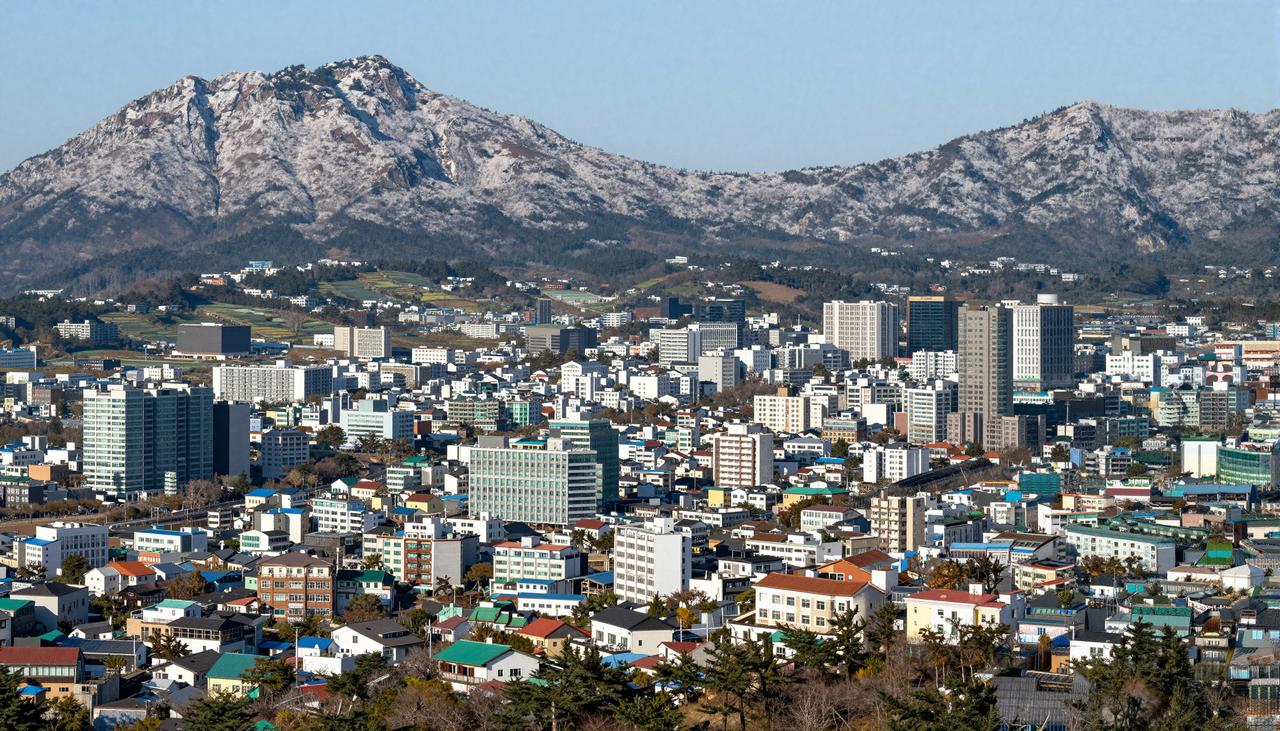
South Korea is a country blessed with mountains, oceans, and forests, offering abundant opportunities for outdoor adventures. From Namsan Mountain and Hannam Park near Seoul, to the volcanic landscapes and beaches of Jeju Island, and the alpine hiking trails of Seoraksan National Park, South Korea’s outdoor activities cater to visitors of all fitness levels.
The best seasons for outdoor exploration are spring (April–May) and autumn (September–October), when the weather is mild and the scenery is breathtaking. Summer, though warm, is perfect for seaside activities, while winter invites skiing and relaxing in hot springs. The overall difficulty is moderate to challenging, making it ideal for those with some outdoor experience, though there are also easier routes suited to families or beginners.
Unique Outdoor Attractions in South Korea
South Korea’s outdoor offerings are dominated by mountains, coastlines, lakes, and forests. For example, Seoraksan National Park is a renowned destination for mountain climbing, while Jeju Island is famous for its distinctive volcanic terrain and stunning ocean views. Additionally, the Han River and Cheonggyecheon Stream provide urban oases for nature lovers.
Optimal Seasons for Outdoor Activities
Spring and autumn are the prime times for outdoor pursuits. From April to May, temperatures are just right, cherry blossoms are in full bloom, and it’s perfect for hiking. September to October offers the best chance to admire vibrant fall foliage. Winter, on the other hand, is ideal for skiing and soaking in hot springs, but be sure to dress warmly.
Who It’s For
South Korea’s outdoor activities appeal to a wide range of travelers, from families to seasoned climbers. Beginners can start with short hikes around Seoul, while experienced adventurers might tackle the long-distance trails of Seoraksan or Jeju Island.
Recommended Outdoor Routes
Route 1: Namsan Hiking Trail, Seoul (Approx. 2 Hours)
Distance/Duration: About 5 km, 2 hours
Difficulty: ★☆☆☆☆ (1 star)
Highlights: Urban nature, panoramic views of Seoul, easy introduction to hiking
Itinerary: Start at Namsan Tower and follow the trail to Hannamdong, enjoying cityscape vistas along the way. The path is gentle, making it perfect for families and first-time hikers.
Rest Stops: Several rest areas dot the route, with nearby snack bars and cafes like Namsan Café.
Tips: Wear comfortable sneakers, and don’t forget sunscreen on sunny days.
Route 2: Hallasan Hiking Trail, Jeju Island (Approx. 6 Hours)
Distance/Duration: About 15 km, 6 hours
Difficulty: ★★★☆☆ (3 stars)
Highlights: Volcanic landscapes, mist-shrouded summit, island vistas
Itinerary: Begin at the east entrance of Hallasan and pass through Seogwipo City, eventually reaching the 1,950-meter peak. Along the way, you’ll encounter volcanic rock formations, waterfalls, and pristine forests.
Rest Stops: Small convenience stores and picnic areas are scattered along the trail; bring your own snacks and water.
Tips: The山路较为陡峭,需携带足够的水和食物,且注意天气变化。建议穿着防滑鞋,携带登山杖,并提前了解天气情况。
Detailed Outdoor Experiences
Hiking/Mountaineering: Climbing Hallasan
Start/Finish: East Entrance of Hallasan → Main Peak (1,950 m)
Trail Conditions: Mostly stone steps and dirt paths, with some steep sections
Time Required: About 6–7 hours, depending on your pace
Hallasan is Jeju Island’s highest peak. The climb is challenging, but the views from the summit are unforgettable. Along the way, you’ll pass attractions like Baekrokdam Crater and Heukbiseok Rock, making it a must for nature enthusiasts.
Water Activities: Snorkeling in Jeju
Location: Seogwipo City, Jeju Island
Cost: Approximately KRW 150,000 per person (including equipment rental)
Gear Needed: Snorkeling gear provided—mask, snorkel, and wetsuit; bring your own swimsuit and waterproof bag
Jeju’s waters are crystal clear, perfect for snorkeling. Popular spots include Yongduam Rock and Seogwipo Beach, where you can spot sea turtles, tropical fish, and more.
Cycling/Driving Route: Seoul–Chuncheon–Seoraksan Loop
Distance: About 200 km
Scenic Stops Along the Way: Chuncheon Lake, Seoraksan National Park, Geumgangsan
Car Rental Info: Rent an SUV or off-road vehicle at Seoul Airport or Myeong-dong, costing around KRW 300,000 per day
This route is ideal for自驾爱好者,with diverse scenery ranging from serene lakes to towering mountains. Consider spending a night in Chuncheon to体验 local hot springs and cuisine.
Local Outdoor Clubs & Guides
For those unfamiliar with the trails, joining a local outdoor club is a great option. For instance, the Jeju Outdoor Club offers guided hikes up Hallasan for about KRW 200,000 per person, including equipment and a guide. In Seoul, the Korea Trekking Club runs programs such as Namsan hikes and Seoraksan climbs, perfect for travelers eager to immerse themselves in Korean culture.
Gear Checklist & Safety Tips
Essential Gear List
| Category | Recommended Items |
|---|---|
| Clothing | Comfortable sportswear, waterproof jacket, hat, gloves |
| Equipment | Trekking poles, backpack, headlamp, water bottle |
| First Aid | Band-aids, pain relievers, insect repellent |
| Food | Energy bars, chocolate, dehydrated snacks |
Emergency Contacts & Rescue Information
- Korean Emergency Number: 119 (fire/medical assistance)
- International Tourist Assistance: 1339 (Korean/English service)
- Local Hospitals: Yonsei University Hospital in Seoul, Jeju Medical Center on Jeju Island
Weather Changes & Contingency Plans
Korean weather can be unpredictable, especially in the mountains, where temperatures may fluctuate significantly. Always carry rain gear and warm layers. If conditions turn恶劣,立即 seek shelter and avoid continuing your journey.
Insurance Recommendations
It’s advisable to purchase overseas travel insurance that covers意外伤害、医疗救援and lost luggage. Recommended providers include AXA and Allianz, priced at around KRW 30,000 per person per week.
FAQs & Practical Tips
Fitness Requirements & Training Advice
- Beginners: Aim for three weekly sessions of aerobic exercise, such as brisk walking or jogging.
- Intermediate: Incorporate strength training to boost endurance.
- Advanced: Engage in long-distance hiking or mountaineering to prepare for high-intensity activities.
Eco-Friendly Travel & Leave No Trace Principles
South Korea places great emphasis on environmental protection and promotes the Leave No Trace philosophy. Please do not litter, avoid damaging vegetation, and refrain from disturbing wildlife.
Handling Special Situations
- Altitude Sickness: In high-altitude areas like Seoraksan, ascend gradually and avoid strenuous activity.
- Heat: In summer, take precautions against sun exposure and stay hydrated.
- Cold: When hiking in winter, wear保暖衣物 to prevent frostbite.
Frequently Asked Questions
Q1: Do I need to book hiking trails in advance?
A: Yes, popular routes such as Hallasan and Seoraksan require reservations, especially during holidays.
Q2: Are pets allowed?
A: Most outdoor trails do not permit pets. It’s best to leave your furry friend at home.
Q3: Is public transportation free?
A: South Korea’s subway and bus systems are extensive, but reaching some remote destinations may require renting a car or hiring a private driver.
Q4: Will language barriers affect my trip?
A: Most attractions have English signage, and tour guides can help bridge any communication gaps.
Q5: Do I need special permits?
A: No special permits are required—your passport is sufficient.