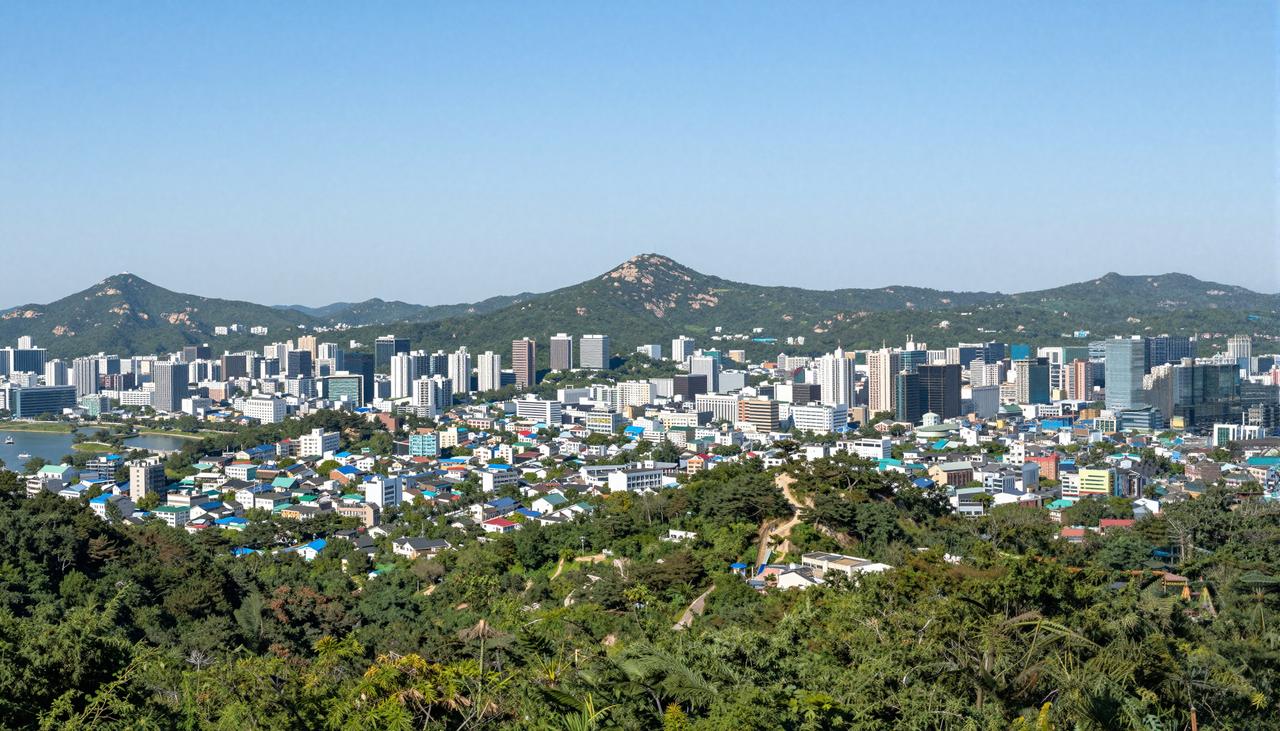
Outdoor Overview
South Korea is located in East Asia and boasts a unique geographical environment and abundant natural resources. The country’s outdoor offerings are primarily centered around mountains, such as Seoraksan and the Taebaek Mountains, alongside diverse landscapes including coastlines, lakes, and forests. Summer (June–August) brings warm, humid weather ideal for hiking and water activities, while autumn (September–November) is famed for its vibrant fall foliage, making it a golden season for hikers. Although winters are cold, ski resorts in Gangwon Province and North Gyeongsang Province continue to attract many visitors.
In terms of difficulty, most outdoor trails in South Korea are rated moderate to easy, suitable for beginners and intermediate enthusiasts. However, certain mountain routes, such as those on Jirisan or Hallasan, require a solid level of physical fitness. Overall, South Korea is an ideal destination for family outings, romantic getaways, and team-building adventures.
Key Features of South Korea’s Outdoor Resources
South Korea’s outdoor attractions are dominated by mountains and coastal areas. Seoraksan National Park is one of the country’s most celebrated mountain ranges, offering stunning scenery and a variety of hiking trails. Jeju Island, with its volcanic terrain and dramatic coastline, is a hotspot for snorkeling and surfing. Additionally, areas like Han River National Park and regions near the 38th Parallel provide a wealth of outdoor experiences.
Best Seasons and Weather Tips
Spring (April–May) is perfect for flower viewing and hiking, with mild temperatures and lush vegetation. Summer (June–August) is great for water sports, but be sure to take precautions against the heat. Autumn (September–November) is the prime time to admire the fiery red leaves, with cool, comfortable weather ideal for extended hikes. Winter (December–February) sees a surge in skiing and hot-spring tourism, though some mountain roads may be closed due to snow.
Difficulty Levels and Ideal Travelers
Most outdoor trails in South Korea are classified as moderate to easy, making them accessible to the majority of visitors. Even first-time adventurers can find suitable routes. That said, high-altitude mountains like Jirisan or the Taebaek Mountains demand a degree of physical strength and experience. For families or couples, gentler options such as Han River Park or Jeju Island are highly recommended.
Recommended Outdoor Routes
Route 1: Hiking in Han River National Park, Near Seoul
Name: Han River National Park Trail
Distance/Duration: Approximately 10 km, 2–3 hours one way
Difficulty: ★☆☆☆☆ (1 star)
Highlights: An urban oasis offering panoramic views of Seoul
Getting There: Take Subway Line 4 to Yeongdeungpo Station and walk 15 minutes to the trailhead
Itinerary
Start your day at 9 a.m. in Seoul and head to Han River National Park. Along the way, you’ll pass through Han River Wetland Park, Sinlim-dong, and other scenic spots, with multiple rest areas and viewpoints along the route. Return to the city around 1 p.m., and enjoy lunch at a nearby restaurant.
Supplies
The park has several drinking fountains and small shops, but it’s wise to bring your own water and energy bars. If you’d like to picnic, pack a portable folding table and chairs.
Safety Tips
Though Han River Park is an urban green space, remember to protect yourself from the sun and stay hydrated. On rainy days, the paths can become slippery, so wear non-slip shoes. Pets are not allowed in the park.
Route 2: Day Hike in Seoraksan National Park, Gangwon Province
Name: One-Day Hike in Seoraksan
Distance/Duration: About 12 km, full-day trip
Difficulty: ★★★☆☆ (3 stars)
Highlights: A quintessential Korean mountain with sweeping views of the Sea of Japan
Getting There: Take a long-distance bus from Seoul to Sokcho City, then transfer to a local bus to the Seoraksan Visitor Center
Itinerary
Depart Seoul at 7 a.m. and begin your hike upon arrival. Pass by Songgwangsa Temple and Hwaeom Falls, stopping for lunch at the Seoraksan Tea House around noon. Continue onward to Dongbong Peak in the afternoon to catch the sunset.
Supplies
There are several supply points along the trail, but bringing your own snacks and water is advisable. The Seoraksan Tea House offers simple meals and drinks at about 3,000 won per person.
Safety Tips
Seoraksan’s trails can be rugged, so wear sturdy, non-slip hiking boots. Summer weather is unpredictable—bring rain gear. Some sections have no cell service, so download an offline map beforehand.
Route 3: Coastal Cycling on Jeju Island
Name: Jeju Island Coastal Cycling Route
Distance: Approximately 30 km, half-day ride
Difficulty: ★☆☆☆☆ (1 star)
Highlights: Scenic coastal roads perfect for photos and check-ins
Getting There: Rent a car or bicycle at the airport
Itinerary
Set out from Jeju Airport at 9 a.m. and cycle along the Jeju Coastal Highway, passing landmarks like Seongsan Ilchulbong Peak and Manjanggul Lava Tube. Wrap up your ride around 1 p.m. and treat yourself to a seafood dinner in Seogwipo City.
Supplies
Gas stations and convenience stores line the route; bring your own water and snacks. Bicycle rental stands are available at some attractions, with rates around 20,000 won per day.
Safety Tips
Stay alert and follow local traffic rules while cycling. In summer’s heat, protect yourself with a hat and sunglasses.
Hands-On Outdoor Experiences
Hiking/Mountaineering: South Peak Trail on Jirisan
Start/Finish: Jirisan South Peak Trailhead → South Peak
Altitude: Approximately 1,288 meters
Trail Conditions: Stone steps and gravel paths, with steep sections
Time Required: About 4–5 hours (including breaks)
Jirisan is one of South Korea’s three most famous mountains, and the South Peak route is relatively gentle, making it beginner-friendly. Along the way, you’ll encounter sights like Daejeongsa Temple and Cheongun Bridge. From the summit, enjoy breathtaking views of the entire island. Wear lightweight hiking shoes and carry a flashlight for evening descents.
Water Activities: Snorkeling on Jeju Island
Location: Heukdo Island or Yongduam Rock near Seogwipo City
Cost: Around 30,000 won per person (equipment included)
Gear Needed: Snorkel masks, tubes, and flippers provided; bring your own waterproof camera
Jeju’s crystal-clear waters rank among Asia’s best for snorkeling. Heukdo Island is particularly popular, with vibrant coral reefs and colorful fish below. Opt for guided tours organized by reputable operators to ensure safety.
Cycling/Driving: East Coast Highway, Gangwon Province
Distance: Roughly 60 km, about 2 hours by car
Scenic Stops Along the Way: Samcheok City, Sokcho City, Taebaeksan Mountain
Car Rental Info: Various models available at Seoul Airport, with rates starting at 40,000 won per day (insurance included)
The East Coast Highway is one of South Korea’s most picturesque coastal routes, where the Taebaek Mountains meet the Sea of Japan. We recommend driving this stretch, stopping in Samcheok City to savor fresh seafood or visiting Haeundae Beach in Sokcho City.
Local Outdoor Clubs and Guides
- Korea Outdoor Club: Offers professional mountain guides and customized itinerary planning. Website: www.koreaooutdoor.com
- Jeju Snorkeling Co.: Provides one-on-one snorkeling instruction. Contact: +82-10-XXXX-XXXX
- Gyeongwon Bike Rental: Located in Chuncheon City, this shop rents high-quality mountain bikes. Address: 123 Gangnam-dong, Chuncheon City
Packing List and Safety Guidelines
Essential Gear Checklist
| Category | Recommended Items |
|---|---|
| Clothing | Quick-drying tops, windproof jacket, hat, gloves |
| Equipment | Trekking poles, backpack, headlamp, water bottle |
| First Aid | Band-aids, pain relievers, insect repellent |
| Food | Energy bars, chocolate, dehydrated snacks |
Emergency Contacts and Rescue Information
- Emergency Phone: 119 (national emergency number)
- Police: 112
- Medical Centers: Small clinics are available near major attractions; larger hospitals include Seoul Asan Hospital and Jeju University Hospital
Dealing with Weather Changes and Emergencies
South Korea’s weather can shift quickly, so always carry rain gear and extra layers. In strong winds, heavy rain, or freezing conditions, seek shelter immediately or contact local rescue services. Cell service is spotty in mountainous areas, so download offline maps ahead of time.
Insurance Recommendations
Consider purchasing overseas travel insurance that covers accidents, medical expenses, and emergency assistance. Popular providers include AIG Travel Guard and AXA Travel Insurance, available through their websites or travel agencies.
FAQs and Insider Tips
Fitness Requirements and Training Advice
Most outdoor routes don’t demand exceptional fitness, but light exercise—such as brisk walking or jogging—is helpful before your trip. If you plan to climb higher peaks, start building endurance in advance.
Eco-Friendly Practices and Leave No Trace Principles
South Korea promotes sustainable outdoor recreation. Visitors should follow the Leave No Trace principles: pack out all trash, avoid damaging natural habitats, and respect wildlife. Certain protected areas prohibit open fires and single-use plastics.
Handling Special Conditions Like High Altitudes, Heat, or Cold
At high elevations such as Seoraksan, watch for symptoms of altitude sickness and ascend gradually while staying well-hydrated. During summer’s heat, avoid midday hikes, and in winter, dress warmly to ward off the chill.
Frequently Asked Questions
Q: Do I need to book outdoor activities in advance?
A: Yes, especially for guided hikes and snorkeling trips—reserve at least a week ahead.
Q: Is a guide necessary for outdoor activities in South Korea?
A: For beginners, hiring a professional guide is strongly advised to ensure safety.
Q: Are outdoor activities in South Korea suitable for children?
A: Many trails are child-friendly, but choose routes appropriate for their age and stamina.
Q: Can I camp during outdoor excursions?
A: Some trails offer designated campsites, or you can opt for nearby guesthouses or hotels.
Q: Are pets allowed on outdoor trails in South Korea?
A: Most parks and mountains do not permit pets; confirm the rules in advance.