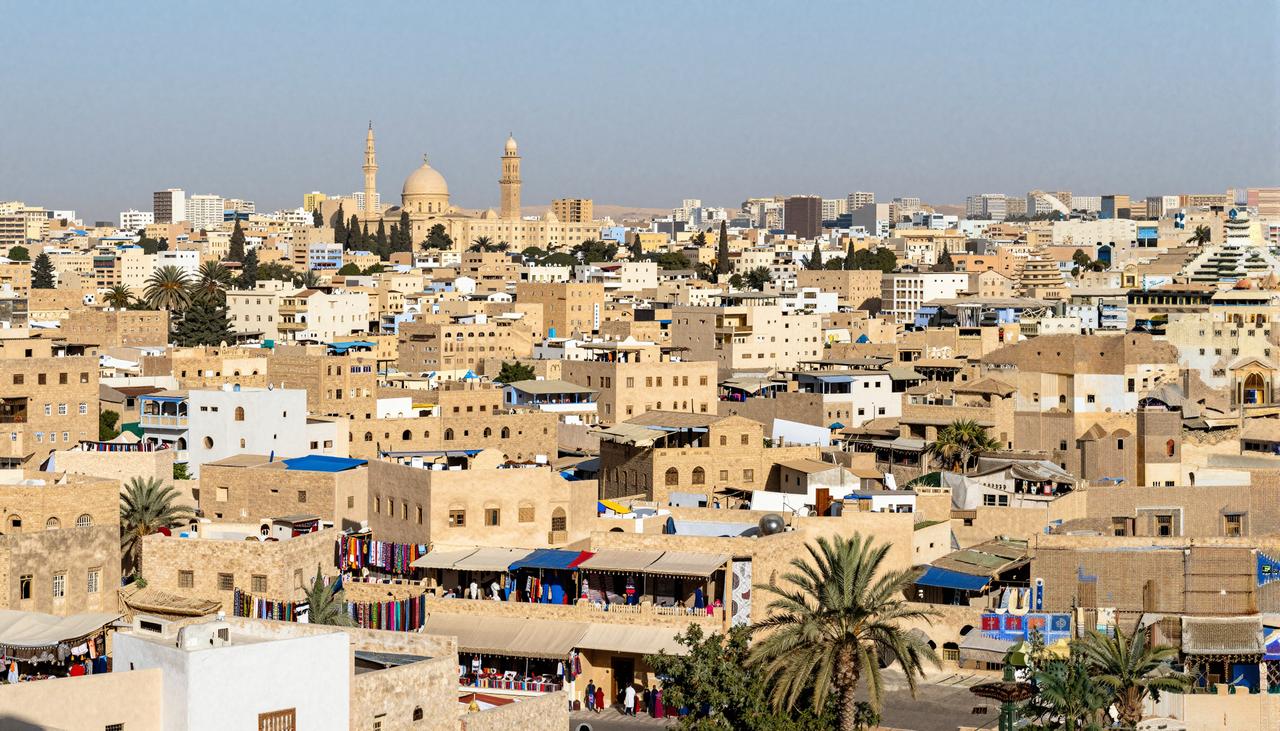
Shopping Map Overview
Shopping in Libya is concentrated mainly in the capital, Tripoli, and the second-largest city, Benghazi, with additional options in Derna in the east and Murzuk in the west. These cities offer diverse shopping districts, ranging from traditional markets to modern shopping malls.
Tripoli is Libya’s largest shopping hub, with several large malls and handicrafts markets clustered around Green Square in the city center. Benghazi specializes in local products and traditional crafts, making it an ideal destination for unique souvenirs. Though more remote, Derna and Murzuk still boast charming bazaars and boutique shops worth exploring.
When it comes to shopping, Libya is renowned for leather goods, carpets, ceramic ware, handmade jewelry, and local spices. Some cities also provide duty-free shopping, allowing international visitors to snag high‑quality items at competitive prices.
Sales Seasons and Tax Refunds
Libya’s major discount periods typically coincide with holiday seasons, such as Eid al‑Fitr and Eid al‑Adha, when select malls run limited‑time promotions. However, due to Libya’s complex economic environment, retail prices can fluctuate significantly, so it’s advisable to check specific store offers in advance.
As for tax refunds, Libya has yet to establish a comprehensive system for international tourists; most stores do not support refunds. If you need a refund, opt for large malls or airport duty‑free zones with designated tax‑refund counters, though procedures may vary depending on policy updates.
Common questions include whether you need your original passport, a completed refund form, or if there are handling fees. Before purchasing, confirm the process with the retailer and keep your receipts handy.
Must‑Visit Malls and Markets
Major Malls
- The Mall Tripoli: Located in central Tripoli, this iconic shopping center features a mix of international brands and local boutiques, perfect for fashion, electronics, and home goods.
- Al‑Hamra Mall: Situated near Green Square, it primarily showcases domestic brands alongside a few international names, offering an authentic taste of local consumer culture.
- Benghazi City Center: As the commercial heart of Benghazi, this area boasts multiple large malls ideal for everyday essentials, clothing, and electronics.
- Derna Mall: Smaller in scale but brimming with distinctive local products, it’s a great spot to find regionally inspired souvenirs.
- Murzuk Market: A bustling bazaar in Murzuk, specializing in traditional handicrafts and local specialties—perfect for bargain‑hunting travelers.
Unique Markets
- Souk al‑Khamis (Friday Market): One of Tripoli’s most famous traditional markets, open every Friday, selling handcrafted goods, spices, textiles, and food.
- Sidi Hamed Souk: Nestled in Tripoli’s old town, this market is celebrated for its leatherwork and pottery, offering a deep dive into Libyan craftsmanship.
- Benghazi Souk: A vibrant traditional market in Benghazi, offering a wide array of goods for those seeking one‑of‑a‑kind keepsakes.
- Tajoura Souk: Close to Tripoli’s port, this market focuses on fresh seafood and local produce, providing a glimpse into daily life by the sea.
- Ghat Market: Located in the western border town of Ghat, it’s known for Arabic‑style handmade jewelry and textiles.
Outlets and Discount Stores
- Tripoli Outlet Village: While not as well‑known as Western equivalents, some outlets here offer seasonal markdowns on branded apparel, shoes, and bags.
- Benghazi Discount Store: A budget‑friendly local shop in Benghazi, ideal for affordable everyday items and household appliances.
Must‑Buy List
- Leather Goods (belts, wallets, handbags): Prices range from $100 to $500. Shop at Sidi Hamed Souk in Tripoli’s old town and be sure to verify authenticity.
- Handmade Carpets: Priced between $200 and $1,000. Look for certified sellers at markets in Tripoli or Benghazi.
- Ceramic Ware: Ranging from $50 to $200, these make excellent decorative pieces or practical tableware.
- Spices and Dried Fruits: Costing $10 to $50. Pick them up at Tripoli’s or Benghazi’s markets, paying attention to expiration dates.
- Arabic Coffee and Tea Sets: Priced $30 to $150, suitable for gifts or personal use.
- Handmade Jewelry: Ranging from $50 to $300. Purchase at Tripoli’s or Benghazi’s markets, checking materials and craftsmanship.
- Traditional Attire (robes, headscarves): Priced $50 to $200, great for photos or cultural experiences.
- Wood Carvings and Decorative Items: $30 to $150, perfect for home accents.
- Honey and Olive Oil: $20 to $80, ideal as travel mementos.
- Antiques and Replica Artifacts: $100 to $500; exercise caution when assessing authenticity.
- Electronics and Accessories: $50 to $300, available at major malls or discount stores.
- Books and Stationery: $10 to $50, appealing to culture enthusiasts.
Daily Shopping Itineraries
Day 1: Downtown Tripoli
Morning: Head to The Mall Tripoli to explore fashion labels and local shops, then grab lunch at one of the mall’s eateries. Afternoon: Visit Sidi Hamed Souk to pick up leather goods and pottery, then relax at a café near Green Square in the evening. Evening: Stop by Souk al‑Khamis (if open) for souvenirs before returning to your hotel.
Day 2: Old Town and Port of Tripoli
Morning: Continue browsing Sidi Hamed Souk, focusing on handicrafts and spices. Midday: Enjoy local seafood at Tajoura Souk. Afternoon: Swing by Al‑Hamra Mall for daily necessities or electronics. Evening: Dine near Green Square and soak up the city’s nighttime ambiance.
Day 3: Benghazi Shopping and Pre‑Departure
Morning: Explore Benghazi City Center for souvenirs and local specialties. Midday: Lunch at Benghazi Souk. Afternoon: Stock up on essentials at Benghazi Discount Store in preparation for your return journey. Evening: Depart according to your flight schedule.
Customs and Baggage Tips + Budget Breakdown + Pitfall Prevention + FAQs
Customs and Baggage Reminders
Libya enforces strict regulations on imported goods, particularly food, medicine, and electronics. Check customs policies in advance to avoid bringing prohibited items. After shopping, always keep your receipts—they’ll be essential for proving the origin of your purchases if needed.
Budget Breakdown (3‑Day Shopping Trip)
| Item | Amount (USD) |
|---|---|
| Accommodation | 200–400 |
| Dining | 150–300 |
| Transportation | 100–200 |
| Shopping | 300–800 |
| Miscellaneous | 50–100 |
| Total | 800–1,800 |
Common Pitfalls to Avoid
- Beware of Counterfeits: Some markets sell knockoff branded goods; stick to reputable vendors.
- Master Price Negotiation: Bargaining is common in traditional markets, but approach it politely.
- Don’t Overbuy: Shipping costs within Libya can be high, so plan your purchases wisely.
- Inspect Quality Carefully: Especially with leather and textiles, scrutinize workmanship and materials.
- Stay Updated on Policies: Libya’s regulations can change frequently; confirm the latest shopping and entry requirements before you go.
- Retain Your Receipts: They’re crucial for returns or resolving disputes.
FAQs
Q: Does Libya offer tax refunds for tourists? A: Currently, Libya does not have a tax‑refund system for international visitors. Opt for malls with duty‑free shops if possible.
Q: What makes good souvenirs in Libya? A: Leather goods, handmade carpets, spices, ceramics, and traditional attire are among the most popular choices.
Q: How can I tell if a product is genuine? A: Examine brand logos, packaging, and craftsmanship details, favoring official stores or certified sellers.
Information Verification Recommendations
- Libya Tourism Board website (if available)
- Official tourism sites for Tripoli, Benghazi, and other cities
- Merchant reviews on Google Maps or Baidu Maps
- Libya’s national airline or airport websites for shopping and baggage guidelines
- Relevant resources from the World Tourism Organization (UNWTO) or international tourism associations