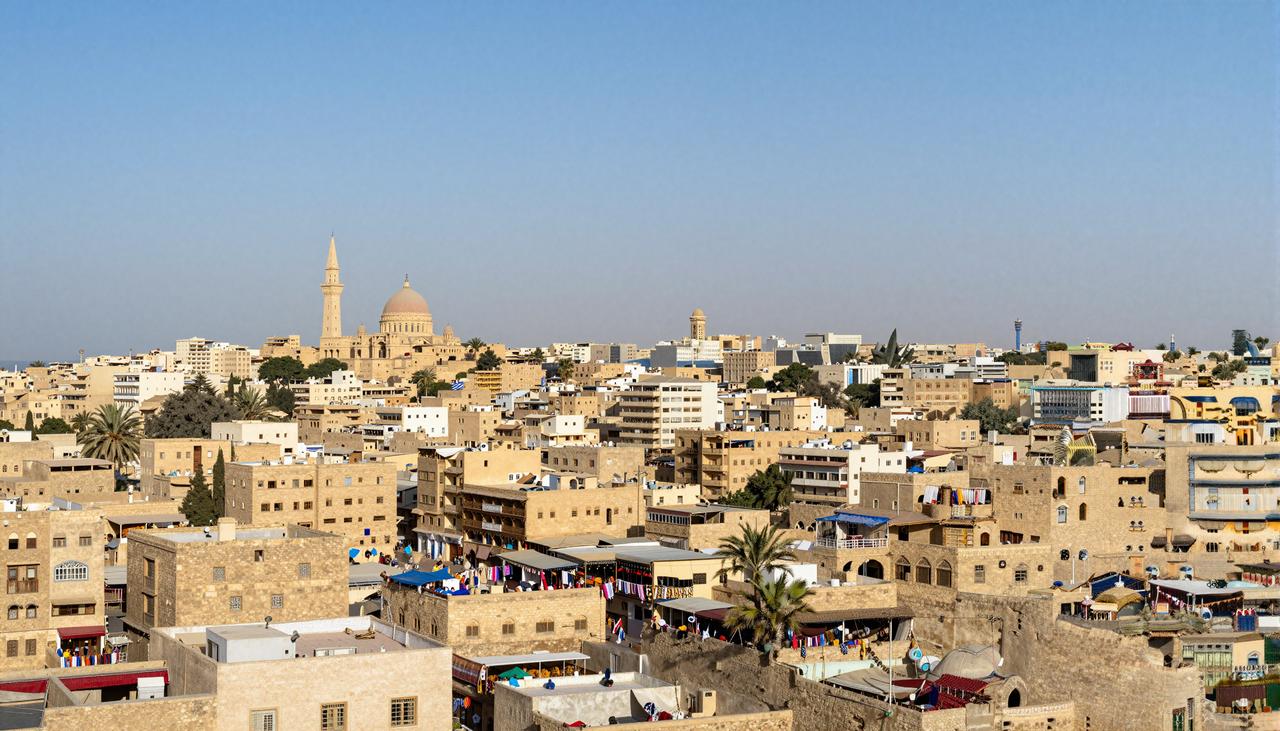
Shopping Map Overview
Libya’s shopping scene is characterized by a blend of traditional markets and modern malls, primarily concentrated in the capital, Tripoli, and the second-largest city, Benghazi. In Tripoli, the Central Market (Souk al-Khamis) is a favorite among locals, offering handicrafts, spices, leather goods, and more. Meanwhile, contemporary shopping centers such as Al-Rashid Mall and Mall of Tripoli provide a wider selection of international brands and everyday essentials. In Benghazi, Sidi Farouq Market and Al-Ma’moura Market are equally distinctive, perfect for picking up local specialties and souvenirs. Additionally, outlet stores in some Libyan cities—such as Tripoli Outlet—often offer discounted items during certain seasons, making them great value-for-money shopping options.
Sale Seasons and Tax Refunds
Libya’s major sale periods typically coincide with Islamic festivals like Eid al-Fitr and Eid al-Adha, when retailers launch extensive promotional campaigns. Some large malls also hold clearance sales in summer or at year-end. As for tax refunds, Libya has not yet implemented a comprehensive tax-refund policy for international tourists; however, certain big malls may offer local refund services, so it’s best to check with store staff in advance. When shopping, be sure to keep your receipts and verify that products are genuine imports to avoid potential disputes over returns.
Must-Visit Malls and Markets
Downtown Core Shopping District
- Al-Rashid Mall: Located in central Tripoli, this is one of the city’s largest shopping centers, featuring fashion, electronics, home goods, and more—a one-stop destination for shoppers.
- Mall of Tripoli: Conveniently situated near the airport, it boasts numerous brand-name stores and dining options, ideal for quick shopping trips.
- Sidi Farouq Market: One of Benghazi’s most iconic markets, selling local handicrafts, textiles, and food—perfect for finding unique souvenirs.
- Al-Ma’moura Market: Also in Benghazi, renowned for its leather goods and handmade accessories, these items are affordably priced and open to negotiation.
Specialty Markets
- Souk al-Khamis: One of Tripoli’s oldest bazaars, open every Friday, it specializes in traditional goods such as spices, pottery, and carpets—combining cultural immersion with shopping.
- Bab al-Azizia Souk: Near the old city, this market offers antiques, rare books, and handcrafted items, appealing to collectors.
- Tajura Market: Situated east of Tripoli, it focuses on fresh fruits, vegetables, and seafood, ideal for stocking up on ingredients or experiencing local life.
Outlets and Discount Areas
- Tripoli Outlet: Located in the suburbs of Tripoli, it features discounted merchandise from European and American brands, catering to budget-conscious shoppers.
- Benghazi Outlet: An outlet mall outside Benghazi, with prices lower than those in the city center, suitable for bulk purchases.
- Misrata Outlet: Based in Misrata, this complex houses multiple branded discount stores and stands as an important shopping hub in western Libya.
Must-Buy List
- Handmade Leather Goods: Such as bags, belts, and shoes—best purchased at Souk al-Khamis or Al-Ma’moura Market, priced roughly $20–$80. Inspect stitching and materials carefully.
- Traditional Carpets: Originating from Libya’s northern mountain regions, these feature intricate designs and cost around $50–$200. Opt for certified sellers.
- Spices and Seasonings: Including saffron, pepper, and cinnamon—available at Souk al-Khamis or Tajura Market, priced approximately $10–$30.
- Arabic Coffee and Tea Sets: Reflecting Libya’s rich coffee culture, consider copper coffee pots and handcrafted ceramic cups, costing about $30–$60.
- Olive Oil and Honey: Produced in southern Libya, these natural, additive-free products retail for $15–$40; check the production date.
- Handmade Ceramic Ware: Often crafted by family-run workshops, these uniquely designed pieces range from $20 to $50. Choose items with signatures or origin labels.
- Wool Blankets and Shawls: Ideal for winter, priced $30–$80; pay attention to texture and size.
- Traditional Clothing: Such as thobes and headscarves, available for $20–$60. Look for styles with distinct ethnic flair.
- Jewelry: Predominantly silver, commonly found in markets and small shops, priced $20–$50. Verify authenticity marks.
- Antiques and Replica Artifacts: Like ancient Egyptian-style sculptures or murals, ranging from $50 to $150. Purchase through reputable channels.
- Electronic Accessories and Digital Products: Available at Al-Rashid Mall or Mall of Tripoli, priced $30–$100. Review warranty terms carefully.
- Local Wine and Spirits: Libyan-made wines and brandies sell for $15–$30; buy from authorized outlets.
Daily Shopping Itineraries
Day 1: Downtown Tripoli Shopping
- Morning: Head to Al-Rashid Mall to browse clothing and home goods.
- Lunch: Dine in the mall’s food court or visit nearby Souk al-Khamis.
- Afternoon: Explore Souk al-Khamis and shop for spices and crafts.
- Dinner: Sample traditional dishes in Tripoli’s old town.
Day 2: Exploring Tripoli’s Markets
- Morning: Visit Bab al-Azizia Souk to hunt for antiques and books.
- Lunch: Enjoy a meal at a small eatery near the market.
- Afternoon: Tour Tajura Market and stock up on fresh produce.
- Dinner: Savor seafood at a seaside restaurant.
Day 3: Tripoli Outlet Shopping
- Morning: Stop by Tripoli Outlet for discounted branded items.
- Lunch: Grab a bite in the mall’s food court.
- Afternoon: Continue shopping or explore a nearby museum.
- Dinner: Return to a downtown restaurant.
Day 4: Benghazi Market Exploration
- Morning: Venture to Sidi Farouq Market to pick up handicrafts and textiles.
- Lunch: Eat at a stall or café nearby.
- Afternoon: Visit Al-Ma’moura Market for leather goods.
- Dinner: Experience local cuisine in Benghazi’s old quarter.
Day 5: Benghazi Outlet Shopping
- Morning: Check out Benghazi Outlet for bargain finds.
- Lunch: Dine in the mall’s food court.
- Afternoon: Keep shopping or tour local attractions.
- Dinner: Enjoy a meal in downtown Benghazi.
Day 6: Central Libya Markets and Shopping
- Morning: Travel to Misrata Outlet to snag discounted goods.
- Lunch: Feast at a local bazaar or restaurant.
- Afternoon: Visit Misrata’s traditional market.
- Dinner: Dine in Misrata’s historic district.
Day 7: Final Pre-Departure Shopping
- Morning: Drop by Mall of Tripoli to complete any last-minute purchases.
- Lunch: Eat in the mall.
- Afternoon: Pack your bags and prepare for departure.
- Dinner: Conclude your trip at a downtown Tripoli restaurant.
Customs and Baggage Tips
Libya imposes limits on personal carry-on items; aim to stay under 20 kilograms. For high-value items like electronics or jewelry, consider shipping them directly home after purchase to avoid carrying risks. Also, follow customs declaration procedures and truthfully declare all purchased goods to prevent unnecessary complications.
Budget Breakdown
| Category | Estimated Cost (USD) |
|---|---|
| Accommodation | $100–$150/night |
| Meals | $20–$30/meal |
| Transportation | $10–$20/day |
| Shopping | $500–$1,000 |
| Miscellaneous | $50–$100 |
| Total | $700–$1,500 |
Pitfall Prevention Guide
- Beware of Counterfeits: Especially for luxury goods and electronics; shop at official malls or brand-name stores.
- Opaque Pricing: Some market vendors may inflate prices, so research typical rates beforehand.
- Language Barriers: Many merchants aren’t fluent in foreign languages; carry a translation tool or ask a local for help.
- Payment Restrictions: Small markets often accept only cash, so have local currency on hand.
- Variable Product Quality: Particularly with handicrafts and leather goods, carefully assess authenticity.
- Difficult Returns: Most shops don’t offer exchanges or refunds, so confirm item condition before buying.
Frequently Asked Questions
Q: Can international tourists get tax refunds in Libya? A: Currently, Libya does not have a full tax-refund system for visitors. Check with malls or stores in advance.
Q: Where can I find authentic Libyan specialties? A: Recommended spots include Souk al-Khamis, Sidi Farouq Market, and Al-Ma’moura Market.
Q: What should I watch out for while shopping? A: Verify product authenticity, ensure fair pricing, keep your receipts, and avoid bringing prohibited items.
Information Verification Suggestions
- Official Tourism Website: Libyan Ministry of Tourism (Note: Update the link based on official releases.)
- Venue Websites: Official sites for each mall and market (e.g., Al-Rashid Mall website).
- Mapping Platforms: Use Google Maps or Baidu Maps to check the latest opening hours and addresses.
- Transportation Portal: Visit the Libyan Airlines website for flight and transport information.
- Market Updates: Stay informed about market conditions via social media or travel forums.