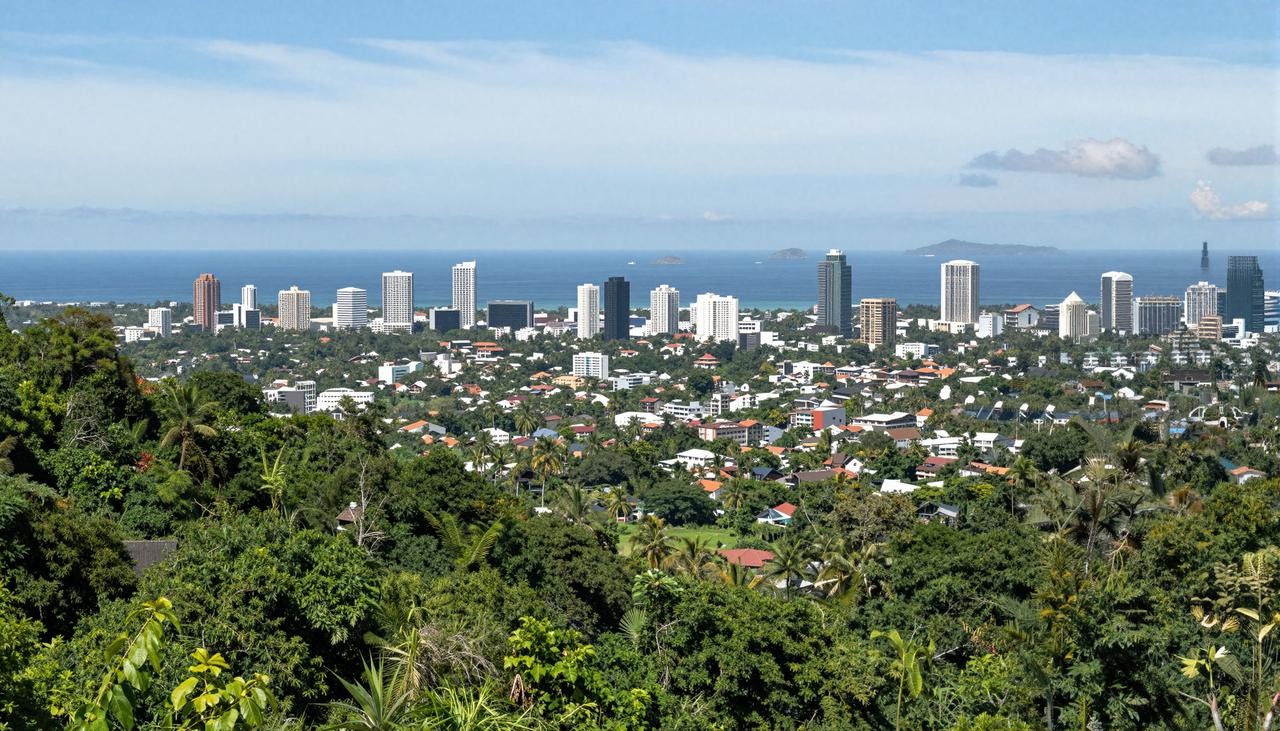
Outdoor Overview
The Philippines is an archipelagic nation, boasting abundant natural resources including mountains, lakes, forests, and coastlines. From the volcanic landscapes of Luzon Island and the pristine jungles of Mindanao to the white-sand beaches of Boracay and Cebu, each region offers unique outdoor experiences.
The best time for outdoor activities runs from November to May, when the weather is clear and rainfall is minimal, making it ideal for hiking, snorkeling, and cycling. However, travelers should be aware that the typhoon season around October can disrupt some itineraries.
The overall difficulty level is moderate to high, best suited for those with some outdoor experience, though there are also low‑difficulty trails perfect for families or beginners. It’s advisable to familiarize yourself with the terrain and climate of your destination beforehand and come fully prepared.
Recommended Outdoor Routes
Route 1: High‑Altitude Trek from Manila to Banaue
- Distance/Duration: Approximately 30 km, 2 days and 1 night
- Difficulty: ★★★☆☆ (3 stars)
- Highlights: Traverse Ilocano villages, admire terraced rice fields, and immerse yourself in local culture
- Transportation: Take a bus from Manila to Banaue, then switch to local transport to enter the mountainous area
Itinerary:
- Day 1: Upon arrival in Banaue, head to Bakun Valley, hike about 8 hours to Hapao Village, and check into a homestay.
- Day 2: Continue toward Batad, stopping to visit the Banaue Rice Terraces along the way, and conclude your journey in Batad.
Supply Points: Small shops along the trail offer light meals and drinks; bring extra snacks and water. Precautions: The mountain paths are rugged—wear non‑slip footwear. Summers can be rainy, so stay mindful of slipping and keep warm.
Route 2: Snorkeling and Diving at Tubajon Island from Cebu
- Distance/Duration: About 15 km, day trip
- Difficulty: ★☆☆☆☆ (1 star)
- Highlights: Tubajon Island’s coral reefs, sea turtles, and dense schools of fish
- Transportation: Take a speedboat from Cebu City to Tubajon Island, roughly one hour
Itinerary:
- Morning: After arriving, change into your gear and dive under the guidance of a professional instructor for snorkeling or scuba diving.
- Afternoon: Return to Cebu, where you can explore the city or simply relax.
Supply Points: Lunch and drinking water are usually provided on board; feel free to bring your own snacks. Precautions: Wear a life jacket while snorkeling and avoid touching the coral; don’t forget sunscreen.
Route 3: Cycling Around Boracay Island
- Distance/Duration: Approximately 16 km, one day
- Difficulty: ★☆☆☆☆ (1 star)
- Highlights: Iconic spots like White Beach, Devil’s Tears, and the Virgin Mary Statue
- Transportation: Rent a bicycle on Boracay or use a motorbike rental service
Itinerary:
- Morning: Start in Dauis and cycle along the beach to Puka Shell Beach.
- Noon: Enjoy a seafood lunch near Manila Bay.
- Afternoon: Head to the Cable Car Station, ride up to White Beach, and wrap up your tour.
Supply Points: Numerous restaurants and snack stalls line the route, so refueling is easy. Precautions: Stay alert to traffic and avoid riding at night; if renting a vehicle, confirm your insurance coverage.
Specific Outdoor Experiences
Hiking/Mountaineering: Climbing Mayon Volcano
- Start/Finish: Bicol Region, elevation approximately 2,462 meters
- Trail Conditions: Rugged mountain paths, with sections requiring climbing
- Time Required: About 10 hours (one way)
Personal Experience: I set out at dawn, guided throughout by a local guide, passing the crater lake and dramatic lava formations. Though physically demanding, the view from the summit is breathtaking—especially at sunrise, when rolling clouds transform the landscape into a dreamlike realm.
Water Activities: Snorkeling at Boracay
- Location: Near Puka Shell Beach on Boracay Island
- Cost: Roughly 1,000 pesos per person (equipment included)
- Gear Needed: Waterproof bag, snorkel mask, fins, sunscreen
Why We Recommend It: The crystal‑clear waters and vibrant marine life make this a paradise for snorkelers. I joined a morning session around 9 a.m. and was awestruck by schools of fish and playful sea turtles.
Cycling/Driving Route: Ring Road Tour of Cebu Island
- Distance: Approximately 100 kilometers
- Scenic Stops Along the Way: Mactan Island, Lapu‑Lapu City, Sugbu, Bantayan Island
- Rental Info: Motorbikes are available at Cebu Airport, priced around 300–500 pesos per day
My Recommendation: A motorbike ring road tour offers both freedom and excitement, especially for explorers. I rode along the Cebu Coastal Road, taking in picturesque views and visiting the Lapu‑Lapu Shrine to pay homage to the hero.
Local Outdoor Clubs/Guides
- Banaue Trekking Group: Offers guided group tours of the Banaue trek, priced at about 3,000 pesos per person, including lodging and meals.
- Boracay Dive Club: Provides snorkeling and scuba services on Boracay at reasonable rates, with all necessary equipment supplied.
- Cebu Biking Tours: Guides cyclists on the Cebu island loop, suitable for beginners, at around 1,500 pesos per person.
Gear Checklist and Safety Tips
Essential Gear List
| Category | Items |
|---|---|
| Clothing | Quick‑drying tops, sun‑protective outerwear, hat, sunglasses, waterproof shoes |
| Equipment | Trekking poles, backpack, headlamp, first‑aid kit, waterproof bag |
| First Aid | Bandages, pain relievers, antihistamines, insect repellent |
| Food | High‑calorie snacks, energy bars, bottled water |
Emergency Contacts and Rescue Information
- Emergency Numbers: 113 (police), 117 (fire), 119 (medical)
- Tourism Assistance: The Philippine Tourism Authority website provides emergency contact details; consider downloading their app.
Weather Changes and Contingency Plans
- In case of heavy rain or strong winds, seek shelter immediately and avoid staying in mountainous or coastal areas.
- Check the daily weather forecast and carry rain gear and warm clothing.
Insurance Recommendations
- Purchase comprehensive international travel insurance covering accidental injury, medical assistance, and lost luggage.
- Within the Philippines, policies can be bought through insurers or travel agencies, typically costing 500–1,000 pesos per person.
Frequently Asked Questions and Tips
Fitness Requirements and Training Advice
- Trekking: Begin aerobic training in advance to build endurance.
- Cycling: Ride at least once a week to strengthen your leg muscles.
Eco‑Friendly Travel and Leave No Trace Principles
- Avoid littering; use reusable water bottles and utensils.
- Respect local cultures and customs, and do not disturb wildlife.
Handling Special Conditions Like High Altitudes, Heat, or Cold
- Altitude Sickness: If heading to high‑elevation areas such as Banaue, acclimatize for a few days before engaging in strenuous activities.
- Heat: Drink plenty of water and avoid prolonged exposure during midday.
- Cold: Pack warm layers when visiting northern mountain regions in winter.
FAQs
- Q1: Do I need to book a guide in advance? A: Reservations are recommended, particularly for popular routes like the Banaue trek and Boracay snorkeling.
- Q2: Can I pay by credit card? A: Most businesses accept credit cards, but cash may be necessary in remote areas.
- Q3: Do I need a visa? A: Chinese citizens can enter visa‑free with a passport for stays up to 30 days.
- Q4: Is language a barrier? A: English is widely spoken in tourist areas; simple English or hand gestures suffice for everyday communication.
- **Q5: How can I avoid scams? A: Book through reputable travel agencies or platforms, and verify prices and services beforehand.