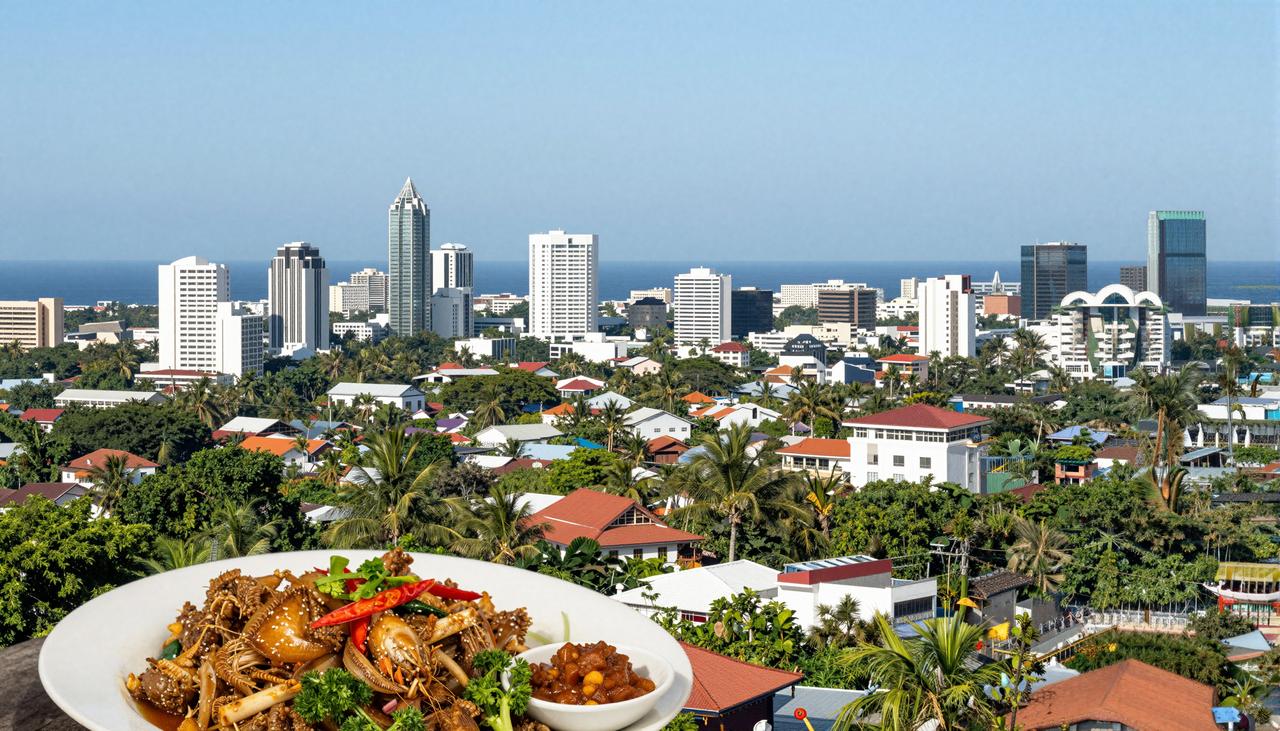
Food Overview
Philippine cuisine is a vibrant fusion of Spanish, Chinese, American, and indigenous flavors, creating a unique and diverse culinary landscape. During the Spanish colonial period, many ingredients and cooking techniques were introduced, while Chinese immigrants brought classic dishes such as fried rice and char siu. Today, Filipino food is celebrated for its rich spices, bold flavors, and unwavering commitment to freshness.
Must-Try Dishes List
- Lechon (Roast Pig)
- Adobo (Stewed Meat)
- Sinigang (Sour Soup)
- Kare-Kare (Stew)
- Pancit (Noodle Dish)
- Halo-Halo (Mixed Dessert)
- Buko Salad (Coconut Salad)
- Tapa (Cured Beef)
- Lumpia (Spring Roll)
- Balut (Developing Duck Egg)
Dietary Taboos and Precautions
Filipinos generally do not eat dog meat and rarely consume organ meats. It’s advisable to avoid raw seafood, especially shellfish, to prevent gastrointestinal discomfort. Additionally, some Muslim-majority areas may have halal food restrictions, so it’s best to confirm in advance. When dining, use your right hand whenever possible and avoid touching food with your left, as this is part of local etiquette.
Top Food Recommendations
Lechon (Roast Pig)
Taste Description: Crispy skin paired with tender, juicy meat, served with a special sauce that leaves a lasting impression. Recommendation Rating: ★★★★★ Best Place to Try: Manokan (Manila) Price Range: 2,000–4,000 PHP (approximately 350–700 RMB)
Adobo (Stewed Meat)
Taste Description: Slow-cooked in soy sauce, vinegar, garlic, and spices, resulting in melt-in-your-mouth meat—a true national dish. Recommendation Rating: ★★★★☆ Best Place to Try: Casa San Roque (Manila) Price Range: 150–250 PHP (approximately 25–40 RMB)
Sinigang (Sour Soup)
Taste Description: Flavored with tomatoes or tamarind and packed with pork, fish, or shrimp, this tangy soup is perfect for beating the summer heat. Recommendation Rating: ★★★★☆ Best Place to Try: Makati Market (Manila) Price Range: 200–300 PHP (approximately 35–50 RMB)
Kare-Kare (Stew)
Taste Description: A peanut-based stew featuring oxtail, tofu, and vegetables, offering a rich, creamy flavor. Recommendation Rating: ★★★★☆ Best Place to Try: La Fiesta Restaurant (Manila) Price Range: 250–350 PHP (approximately 40–60 RMB)
Halo-Halo (Mixed Dessert)
Taste Description: A delightful mix of shaved ice, milk, red beans, taro, coconut milk, and more—sweet yet refreshing. Recommendation Rating: ★★★★☆ Best Place to Try: Santol Street (Manila) Price Range: 100–150 PHP (approximately 17–25 RMB)
Buko Salad (Coconut Salad)
Taste Description: Fresh coconut meat tossed into a salad, light and satisfying—a signature Filipino treat. Recommendation Rating: ★★★★☆ Best Place to Try: Pasko at Sari-Sari Store (Manila) Price Range: 150–200 PHP (approximately 25–35 RMB)
Tapa (Cured Beef)
Taste Description: Salted and spiced then pan-fried, this dish offers a slightly savory flavor and is often enjoyed with rice. Recommendation Rating: ★★★★☆ Best Place to Try: Tapsilog (Manila) Price Range: 100–150 PHP (approximately 17–25 RMB)
Lumpia (Spring Roll)
Taste Description: Crisp on the outside, filled with a variety of ingredients like minced meat, vegetables, and shrimp. Recommendation Rating: ★★★★☆ Best Place to Try: Lumpia Alley (Manila) Price Range: 80–120 PHP (approximately 14–20 RMB)
Balut (Developing Duck Egg)
Taste Description: Boiled and eaten, this delicacy has a texture similar to a soft-boiled egg with a distinctive flavor. Recommendation Rating: ★★★☆ (best for adventurous eaters) Best Place to Try: Bacolod City (near Cebu) Price Range: 50–80 PHP (approximately 9–14 RMB)
Recommended Restaurants and Food Streets
Featured Restaurants
| Restaurant Name | Address | Signature Dish | Average Cost per Person | Hours of Operation |
|---|---|---|---|---|
| Manokan | 123 Rizal Ave, Manila | Lechon | 2,000–4,000 PHP | 10:00–22:00 |
| Casa San Roque | 456 M. Recto Ave, Manila | Adobo | 150–250 PHP | 11:00–21:00 |
| La Fiesta Restaurant | 789 Ayala Ave, Makati | Kare-Kare | 250–350 PHP | 10:00–22:00 |
| Tapsilog | 101 EDSA, Quezon City | Tapa | 100–150 PHP | 07:00–20:00 |
| Lusong Grill | 202 Pasay Road, Manila | Grilled Pork | 300–400 PHP | 11:00–23:00 |
| Bistek Filipino Rest | 303 P. del Rosario St, Manila | Bistek | 200–300 PHP | 12:00–21:00 |
| Kaliwa Kitchen | 404 Aurora Blvd, Manila | Filipino Fusion | 400–600 PHP | 11:00–22:00 |
| Aling Nena's Lumpia | 505 San Marcelino St, Manila | Lumpia | 80–120 PHP | 08:00–20:00 |
| Hacienda Cervantes | 606 Cervantes St, Manila | Chicken Inasal | 300–400 PHP | 10:00–21:00 |
| El Patron | 707 General Luna St, Cebu | Seafood | 500–800 PHP | 12:00–22:00 |
Food Streets/Night Markets
1. Binondo Street Market (Manila)
- Specialty: The Philippines’ largest Chinatown, brimming with stalls selling fried chicken, spring rolls, sweet desserts, and more.
- Best Time to Visit: Evening through night, when crowds are at their peak.
2. Paseo de San Miguel (Manila)
- Specialty: A historic street lined with long-established eateries, perfect for leisurely savoring local flavors.
- Best Time to Visit: Afternoon to early evening, when the atmosphere is most inviting.
3. Makati Market (Manila)
- Specialty: A modern market offering both local snacks and international fare, ideal for those seeking variety.
- Best Time to Visit: Saturday mornings, when there are fewer people and fresher produce.
4. Cebu Night Market (Cebu)
- Specialty: Seafood takes center stage, alongside an array of street snacks, all set against a lively nighttime vibe.
- Best Time to Visit: Early evening through midnight.
Reservation Tips and Avoiding Pitfalls
Most local restaurants do not accept online reservations, so it’s best to arrive early or contact them via social media. At night markets or street stalls, choose stands with plenty of customers—they’re usually popular and hygienic. Be wary of “tourist prices”; some vendors may inflate their rates for foreigners, so feel free to negotiate.
Dining Culture and Etiquette
Filipinos place great importance on politeness during meals, especially in formal settings, where hosts will often serve dishes to their guests. Before eating, it’s customary to sip a glass of Salaman (lemon water) to stimulate the appetite. At family gatherings, sharing plates is the norm, with everyone enjoying the food together.
Unique Culinary Experiences
- Cooking Classes: In Cebu City, you can enroll in traditional Filipino cooking workshops to learn how to prepare Adobo, Lechon, and other classics.
- Food Tours: Food Tour Manila offers day-long excursions visiting multiple snack stalls and restaurants.
- Market Tours: At Davao Public Market or Manila Central Market, you can gain deep insights into local ingredients and cooking traditions.
Special Dietary Needs
- Vegetarian: Many restaurants offer vegetarian options, such as Kaliwa Kitchen and Green House.
- Halal: In Davao and Zamboanga, there are numerous halal-certified eateries, including Al-Ma’mur Restaurant.
- Allergies: Inform the restaurant in advance; most establishments can accommodate dietary restrictions by providing alternative ingredients.
Common Questions and Tips
How to Spot Authentic Local Cuisine?
- Look for lines of locals waiting—good signs of quality.
- Check if the menu includes English translations; some small eateries may not have them.
- Opt for places frequented by Filipinos rather than tourist-oriented spots.
Takeaway, Delivery, and Bento Box Options
- Manokan and Tapsilog offer takeout services.
- Many restaurants provide bento-style meal sets, such as Bistek Filipino Restaurant.
- Use GrabFood or Foodpanda for convenient delivery.
Food Safety Reminders
- Avoid drinking untreated tap water.
- If eating raw seafood, ensure it comes from a reputable source; opt for well-known restaurants.
- Consume takeaway food promptly to prevent spoilage.
FAQs
Q1: What are some must-try Filipino snacks? A: Lumpia, Tapsilog, Balut, and Halo-Halo are among the top picks.
Q2: How can I find restaurants favored by locals? A: Search for recommendations on social media or local forums, or ask your hotel concierge.
**Q3: Do I need to make reservations in advance? A: Most local restaurants don’t accept reservations, but it’s wise to arrive early at popular spots.
Q4: What are typical food prices in the Philippines? A: Casual dining costs around 100–300 PHP (17–50 RMB) per person, while upscale restaurants are pricier.
**Q5: Are vegetarian options widely available? A: Yes, many restaurants offer vegetarian choices, particularly in major cities like Manila and Cebu.