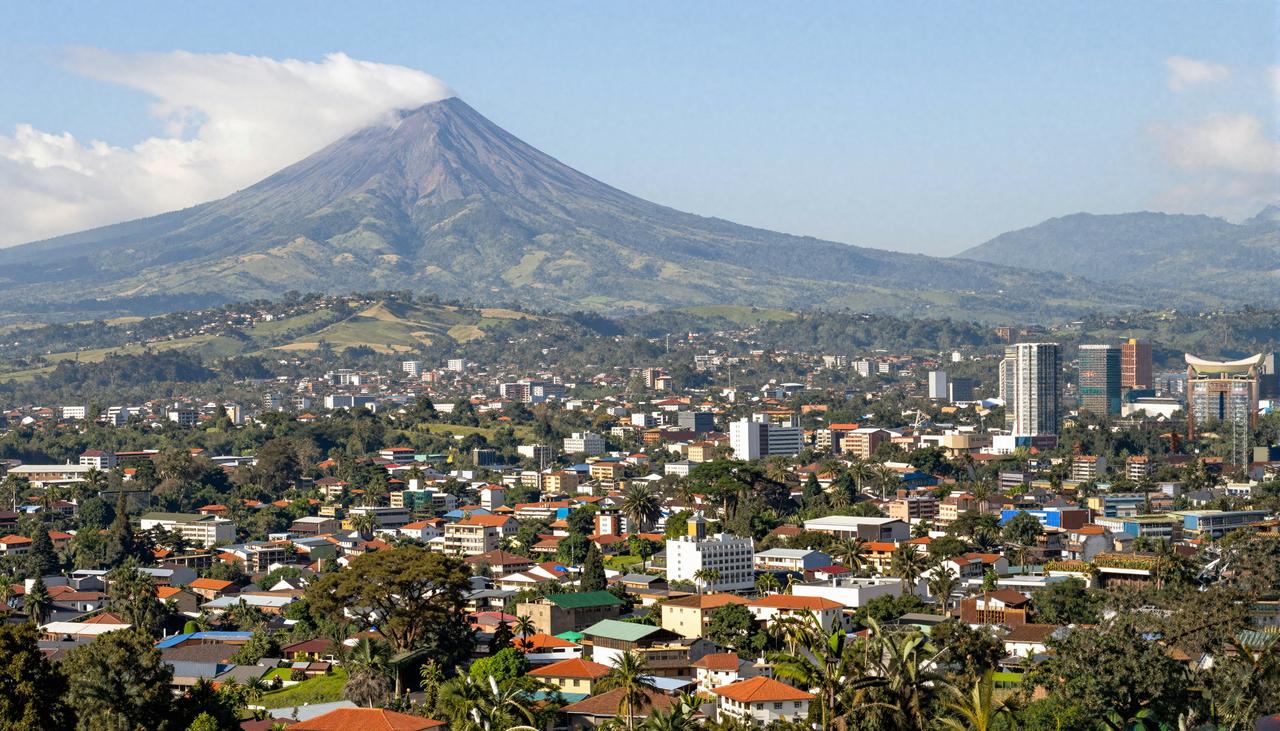
Rwanda’s Culinary Overview
Nestled on the East African plateau, Rwanda’s food culture is deeply shaped by local agriculture and tribal traditions. Staple ingredients include corn, beans, and cassava, with common cooking methods such as stewing, grilling, and steaming. Meat options primarily feature chicken, beef, and goat, often paired with richly spiced, full-flavored sauces. Locals love gathering for evening meals, creating a warm, family‑style dining atmosphere. Be sure to try traditional dishes like ‘Ibihara’ (stewed meat) and ‘Ubugari’ (corn cakes), and note that some restaurants may use quite a bit of chili—first‑time visitors should communicate their spice preferences in advance.
Must‑Try List
1. Ibihara (Stewed Meat)
- Recommendation Rating: ★★★★★
- Price Range: 10,000–20,000 RWF (about $6–$12 USD)
- Common Pitfall: Some restaurants use excessive chili; request your preferred spice level ahead of time.
2. Ubugari (Corn Cakes)
- Recommendation Rating: ★★★★
- Price Range: 2,000–5,000 RWF (about $1.20–$3 USD)
- Common Pitfall: Certain stalls may serve less fresh items; opt for busy, well‑frequented stands.
3. Matoke (Steamed Plantains)
- Recommendation Rating: ★★★★
- Price Range: 3,000–7,000 RWF (about $1.80–$4.20 USD)
- Common Pitfall: Availability can be uneven in some areas; inquire ahead if possible.
4. Githeri (Corn and Beans Mix)
- Recommendation Rating: ★★★★
- Price Range: 3,000–6,000 RWF (about $1.80–$3.60 USD)
- Common Pitfall: Some restaurants season heavily; best suited for those who enjoy bold flavors.
5. Chicken with Plantains (Fried Chicken with Banana Slices)
- Recommendation Rating: ★★★★★
- Price Range: 15,000–25,000 RWF (about $9–$15 USD)
- Common Pitfall: Certain eateries may use frozen chicken; choose restaurants with open kitchens and visible preparation.
6. Goat Stew
- Recommendation Rating: ★★★★
- Price Range: 20,000–30,000 RWF (about $12–$18 USD)
- Common Pitfall: Some restaurants may not cook the meat thoroughly; confirm doneness before eating.
7. Local Market Snacks
- Recommendation Rating: ★★★★
- Price Range: 1,000–5,000 RWF (about $0.60–$3 USD)
- Common Pitfall: Hygiene standards vary widely; favor reputable, trusted stalls.
8. Coffee (Rwandan Coffee)
- Recommendation Rating: ★★★★★
- Price Range: 2,000–5,000 RWF (about $1.20–$3 USD)
- Common Pitfall: Some cafes may use instant coffee powder; seek out pour‑over or drip‑brewed options.
9. Traditional Banana Beer
- Recommendation Rating: ★★★
- Price Range: 1,000–3,000 RWF (about $0.60–$1.80 USD)
- Common Pitfall: Relatively high alcohol content; enjoy in moderation.
10. Fresh Fruit
- Recommendation Rating: ★★★★
- Price Range: 1,000–4,000 RWF (about $0.60–$2.40 USD)
- Common Pitfall: Some fruits may not be properly washed; request cleaning before purchasing.
11. Street Food
- Recommendation Rating: ★★★
- Price Range: 1,000–3,000 RWF (about $0.60–$1.80 USD)
- Common Pitfall: Ingredients can be of uncertain origin; choose bustling, high‑traffic stalls.
12. Local Cheese and Bread
- Recommendation Rating: ★★★
- Price Range: 2,000–5,000 RWF (about $1.20–$3 USD)
- Common Pitfall: Some products may contain additives; look for organic or artisanal varieties.
Restaurant and Neighborhood Recommendations
Local Eateries
Rwandan local restaurants typically offer the most authentic flavors, making them ideal for travelers eager to immerse themselves in the country’s culinary heritage. When choosing a spot, prioritize establishments with strong reputations, menus clearly listing ingredient sources, and transparent kitchens. For example, around Kigali Market in downtown Kigali, you’ll find many family‑run bistros serving fresh stews and corn cakes. Avoid overly polished, overpriced venues; the real gems are often tucked away in unassuming corners.
Trendy Hotspots
In recent years, several Rwandan restaurants have gained popularity thanks to their distinctive decor and creative dishes, appealing especially to Instagram‑savvy diners. Places like ‘The Garden Restaurant’ and ‘Bamboo Bistro’ are well‑known among locals and tourists alike, perfect for snapping photos. However, keep in mind that prices at these trendy spots tend to be higher than average, and some offerings lean toward international tastes rather than traditional ones. Select based on your personal preferences to avoid disappointment.
Night Markets
Rwanda’s night markets provide an excellent opportunity to experience local life and cuisine. These lively evening bazaars brim with food stalls offering a wide array of choices. Popular destinations include Kigali Night Market and Gikongoro Night Market, where you can sample grilled meats, fried fish, dried fruit snacks, and more. While prices are generally affordable, pay close attention to food safety—stick to crowded, hygienically sound stalls whenever possible.
Sample Daily Eating and Drinking Itinerary
Day 1: Arrival and City Exploration
- Afternoon: Head to downtown Kigali and stop by local eateries near Kigali City Center to try Ibihara and Ubugari.
- Evening: Visit Kigali Night Market for street snacks and soak up the local nightlife.
Day 2: Mountain Cuisine Adventure
- Morning: Travel to the Volcanoes National Park area and dine at a rural farm stay, sampling goat stew and Matoke.
- Afternoon: Return to Kigali and savor traditional banana beer.
- Evening: Enjoy dinner at Bamboo Bistro to experience modern Rwandan flavors.
Day 3: Markets and Street Food
- Morning: Explore Kigali Market and pick up fresh fruit and local specialties.
- Afternoon: Sample a variety of street foods at local stalls, including fried chicken and banana pancakes.
- Evening: Dine at The Garden Restaurant for a refined meal.
Day 4: Rural Flavors and Coffee Culture
- Morning: Journey to the Gikongoro region for a home‑cooked village meal featuring traditional stews.
- Afternoon: Stop by a Gikongoro coffee shop to enjoy high‑quality Rwandan brew.
- Evening: Back in Kigali, revisit Kigali Night Market for another round of market delicacies.
Day 5: Farewell and Reflection
- Morning: Enjoy one last hearty meal at a downtown Kigali eatery, with Ibihara and Matoke as top picks.
- Afternoon: Shop for souvenirs at Kigali Market to wrap up your trip.
Special Dietary Needs
Vegetarians will find plenty of plant‑based options in Rwanda, including beans, corn, bananas, pineapples, and cassava. Many local restaurants are happy to accommodate custom orders—just inform your server of your dietary requirements in advance. Halal cuisine is somewhat limited, though major cities like Kigali do have halal restaurants; check ahead for availability. For those with allergies, common triggers in Rwandan food include nuts, dairy, and seafood, so be sure to specify any sensitivities when ordering and choose eateries with solid hygiene records.
Budget Breakdown + Food Safety Tips + FAQs
Five‑Day Budget Summary
| Item | Amount (RWF) | Notes |
|---|---|---|
| Meals | 150,000–250,000 | Includes main meals, snacks, and drinks |
| Transportation | 30,000–50,000 | For city tours and regional excursions |
| Accommodation | 500,000–800,000 | Five‑star hotels or guesthouses |
| Miscellaneous | 50,000–80,000 | Shopping, entrance fees, etc. |
| Total | 730,000–1,180,000 | Approximately $430–$700 USD |
Food Safety Checklist
- Avoid raw or undercooked meat and seafood to prevent foodborne illness.
- Opt for busy stalls with high customer traffic to ensure freshness.
- Practice good personal hygiene and steer clear of untreated water.
- Refrain from trying unfamiliar foods, especially those sold by roadside vendors.
- If you’re allergic to dairy or nuts, always inform your server beforehand.
- Don’t dine alone in remote or poorly lit areas at night; prioritize safety.
FAQs
Q: How clean are Rwanda’s restaurants? A: Most local eateries and night markets maintain decent hygiene standards, but it’s best to choose popular, highly rated establishments.
Q: Are there vegetarian options? A: Absolutely—Rwanda offers a wealth of plant‑based foods like beans, corn, and cassava, and many restaurants can prepare vegetarian meals.
Q: Where can I find authentic local dishes? A: Explore local markets, night bazaars, and recommended restaurants, or ask your guide or a local resident for advice.
Q: What makes Rwandan coffee special? A: Rwanda is renowned for its high‑quality coffee, particularly appreciated by aficionados of black coffee.
Information Verification Tips
- Official Rwanda Tourism Website: https://www.visitrwanda.com/
- Kigali City Government Tourism Department
- Google Maps / TripAdvisor for up‑to‑date reviews
- Rwanda Ministry of Transport website (for public transit info)
- Local restaurant websites or social media pages (e.g., Bamboo Bistro, The Garden Restaurant)