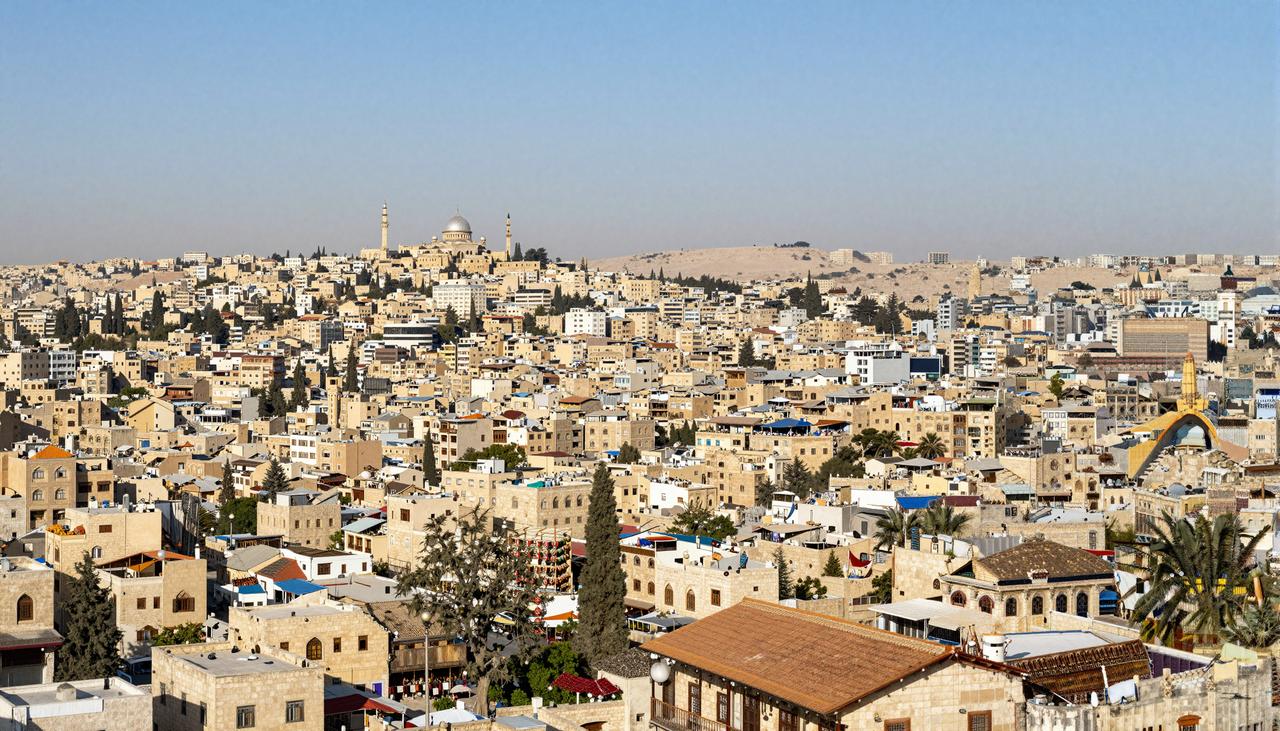
Shopping Map Overview
Syria’s shopping scene blends tradition with modernity, offering everything from ancient bazaars to state-of-the-art malls. Damascus is the shopping hub, home to several large shopping centers and historic markets, such as Souk al-Hamidiyah and Souk al-Khassaki. Aleppo is renowned for its handicrafts, while Hama is famous for textiles and leather goods. Along the coast, cities like Latakia and Tartus also boast many locally inspired shopping spots. It’s advisable to plan your shopping around your itinerary, avoiding peak traffic hours when heading to central business districts.
Sales Seasons and Tax Refunds
Discount periods in Syria typically coincide with holidays and the off‑season, especially around Ramadan and before Christmas. Some malls offer seasonal promotions, though discounts are usually modest, ranging from 10% to 30%. The tax‑refund system remains complex; Syria has not yet adopted a universal tax‑refund program, and most retailers do not participate. If you need a refund, confirm with the store in advance whether they can provide a tax‑refund receipt and keep your invoices safe. Certain high‑end malls may have special policies, but these should be verified independently. Common questions include whether credit cards are accepted, if there’s a minimum purchase requirement, and what the return policy entails—check with local merchants or travel agencies before you go.
Must-Visit Malls and Markets
Damascus Core Shopping District
1. Souk al-Hamidiyah: Located in Damascus’s Old City, this iconic traditional market sells carpets, spices, handicrafts, and antiques—perfect for souvenirs and unique finds.
2. Souk al-Khassaki: Near Damascus University, this market specializes in leather goods, silverware, and pottery at affordable prices, ideal for handcrafted treasures.
3. Al-Farouq Mall: One of Damascus’s largest shopping centers, it features international brands alongside local stores, making it great for fashion and electronics.
4. City Center Mall: Situated in the heart of the city, this mall offers a one‑stop experience with dining, entertainment, and retail options.
Aleppo’s Signature Markets
5. Souk al-Hadid (Iron Market): Renowned for metalwork and copperware, it’s an excellent place to pick up traditional crafts.
6. Souk al-Atta (Central Market): A bustling hub for food and daily essentials, perfect for sourcing local specialties.
Hama Shopping District
7. Souk al-Hama: Focused on textiles and leather goods, this market offers budget‑friendly prices and practical items.
Coastal Cities’ Shopping Spots
8. Latakia Central Market: Close to the sea, it’s known for fresh seafood and regional produce—ideal for stocking up on local ingredients.
9. Tartus Old Town Market: Specializing in marine products and handmade crafts, this market suits travelers seeking distinctive keepsakes.
Other Recommended Shopping Destinations
10. Al‑Hassakeh Market: In eastern Syria, it’s a great source of local agricultural goods and artisanal wares.
11. Aleppo Outlet: Featuring brand‑name discount stores, it’s a smart choice for value‑packed purchases.
12. Damascus Airport Duty‑Free Zone: Convenient for pre‑departure tax‑free shopping, but be mindful of duty limits and customs regulations.
Must-Buy List
1. Carpets (around 500–2,000 Syrian pounds)
Available at Souk al-Hamidiyah or Souk al-Hama, authentic pieces are often made of wool or cotton with intricate patterns. Inspect weaving details and materials carefully.
2. Spices and Perfumes (about 300–1,000 Syrian pounds)
Found in Aleppo’s and Damascus’s traditional markets; opt for additive‑free products.
3. Handicrafts (approximately 200–1,000 Syrian pounds)
Including wood carvings, copperware, and silver jewelry. Choose items with clear origins and craftsmanship descriptions.
4. Silk and Textiles (around 300–1,500 Syrian pounds)
High‑quality handmade textiles from Hama and Aleppo make excellent home decor or gifts.
5. Leather Goods (roughly 400–1,500 Syrian pounds)
Souk al-Khassaki and Aleppo’s Old City Market offer plenty of choices; check leather quality and stitching.
6. Ceramics and Pottery (about 200–800 Syrian pounds)
Traditional pottery from Damascus and Aleppo carries cultural flair; look for pieces signed by the artist.
7. Local Honey and Jams (approximately 100–300 Syrian pounds)
Available at markets or small stalls; verify shelf life and packaging.
8. Traditional Clothing (around 500–2,000 Syrian pounds)
Such as headscarves and long robes—meaningful souvenirs that reflect Syrian culture.
9. Local Coffee Beans and Tea (about 100–300 Syrian pounds)
Sold in Damascus and Aleppo’s markets; choose organic or certified organic varieties.
10. Wood Carvings (roughly 300–1,000 Syrian pounds)
Exquisite woodcarvings from Aleppo and Hama are perfect for collecting or decorating.
11. Dried Local Fruits (approximately 100–300 Syrian pounds)
Like raisins, almonds, and dried figs—ideal as travel treats or gifts.
12. Traditional Musical Instruments (such as drums or stringed instruments)
Found in Aleppo’s and Damascus’s markets, these make wonderful picks for music enthusiasts.
Daily Shopping Itineraries
Day 1: Damascus Old City
- Morning: Explore Souk al-Hamidiyah, picking up spices, carpets, and handicrafts.
- Lunch: Savor traditional Syrian cuisine near the market.
- Afternoon: Head to Al-Farouq Mall for fashion and electronics.
- Dinner: Enjoy a meal at a downtown restaurant.
Day 2: Damascus Markets and Surroundings
- Morning: Visit Souk al-Khassaki for leather goods and silverware.
- Lunch: Sample local snacks within the market.
- Afternoon: Tour City Center Mall for additional souvenirs.
- Dinner: Dine at a well‑established local eatery.
Day 3: Aleppo Markets
- Morning: Discover Aleppo’s Old City Market, acquiring metalwork and copperware.
- Lunch: Feast at Aleppo’s Central Market.
- Afternoon: Check out the Aleppo Outlet for discounted finds.
- Dinner: Choose a specialty restaurant in the city center.
Day 4: Hama Shopping and Relaxation
- Morning: Stop by Souk al-Hama for textiles and leather goods.
- Lunch: Dine at a local eatery.
- Afternoon: Free time for more shopping or leisure.
- Dinner: Enjoy a meal in downtown Hama.
Day 5: Latakia Seaside Shopping
- Morning: Visit Latakia’s Central Market for seafood and local specialties.
- Lunch: Savor a meal at a seaside restaurant.
- Afternoon: Stroll through the coastal shopping district.
- Dinner: Opt for a seafood restaurant.
Day 6: Tartus Markets and Cultural Exploration
- Morning: Wander through Tartus’s Old Town Market, selecting handmade crafts.
- Lunch: Dine at a local eatery.
- Afternoon: Explore nearby cultural sites.
- Dinner: Enjoy dinner in the city center.
Day 7: Pre‑Departure Shopping and Packing
- Morning: Visit Damascus Airport’s duty‑free zone for tax‑free purchases.
- Lunch: Eat at the airport.
- Afternoon: Pack your bags and prepare for your flight home.
Customs and Baggage Tips
- Syria imposes restrictions on items taken出境, particularly antiquities and perishables.
- Pack valuables separately to avoid loss in checked luggage.
- Stay within baggage weight limits to prevent excess fees.
- For tax‑free purchases, ensure compliance with your destination country’s import rules.
Budget Breakdown (Per Person)
| Category | Amount (Syrian Pounds) |
|---|---|
| Accommodation | 10,000–15,000 |
| Dining | 5,000–8,000 |
| Transportation | 3,000–5,000 |
| Shopping | 5,000–10,000 |
| Miscellaneous | 2,000–4,000 |
| Total | 25,000–42,000 |
Pitfall Prevention Guide
- Avoid buying high‑value items at unofficial markets to steer clear of counterfeit goods.
- Don’t fall for “rock‑bottom deals” or “exclusive offers”—compare prices first.
- Watch exchange rates closely and avoid unauthorized currency exchanges.
- Pay in cash whenever possible to minimize transaction fees at markets.
- Understand each item’s return and exchange policy to avoid post‑purchase regrets.
- Keep your travel plans private to reduce the risk of becoming a target.
Frequently Asked Questions
Q: Can I buy duty‑free items in Syria? A: Syria does not yet widely implement a standard tax‑refund system, though some airports or large malls may offer exceptions—confirm in advance.
Q: Which items shouldn’t I bring home? A: Antiquities, animal products, and perishable foods may face customs restrictions; check your destination country’s import regulations beforehand.
Q: What are the top shopping destinations? A: We recommend Souk al-Hamidiyah in Damascus, Aleppo’s Old City Market, Souk al-Hama in Hama, and the markets of Syria’s coastal cities.
Information Verification Suggestions
- Official tourism website: Syrian Tourism Board (Note: Update the link as needed.)
- Attraction websites: Individual malls and markets (e.g., Al-Farouq Mall, Aleppo’s markets).
- Mapping platforms: Google Maps, Baidu Maps, etc., for opening hours and user reviews.
- Transport portals: Syrian National Railways and airlines (e.g., Syrian Airlines) for the latest flight and travel info.