Djibouti
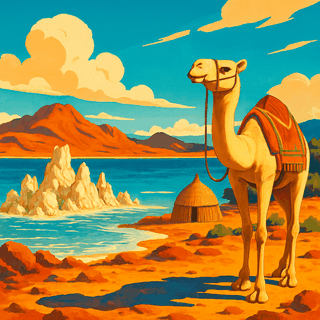
Djibouti is located in East Africa, at the junction of the Red Sea and the Gulf of Aden. It is bordered by Somalia to the east, Ethiopia to the south, and Eritrea to the northwest. The country covers an area of approximately 23,200 square kilometers, characterized by arid desert and mountainous terrain, with a hot and dry climate. Historically, Djibouti has been an important trade and shipping center, with human settlements dating back to 500 BC. The culture of Djibouti is influenced by Arab, African, and French elements, with French and Arabic as the official languages, and Islam as the predominant religion. Economically, Djibouti's economy is primarily service-oriented, particularly in the port and logistics sectors. The Port of Djibouti is one of the key ports in the Red Sea region, attracting a significant amount of international trade. Additionally, Djibouti has developed its tourism sector, drawing visitors to experience its unique natural landscapes and cultural heritage. Tourist highlights include Lake Assal, one of the deepest saltwater lakes in the world, known for its stunning blue waters; and the capital city, Djibouti City, where visitors can explore local markets and cuisine. Djibouti's national parks, such as the Day Forest National Park, offer rich opportunities for wildlife observation. Travelers should be aware of the local climate when visiting Djibouti, with recommendations to visit during the dry season to avoid extreme heat. Understanding local customs and laws is also crucial for ensuring a smooth and safe trip. Overall, Djibouti is a captivating country worth exploring.
