Estonia
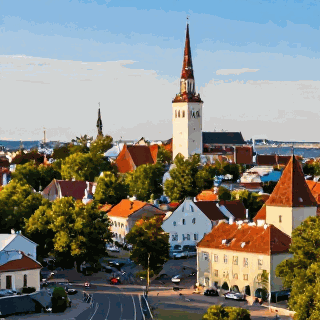
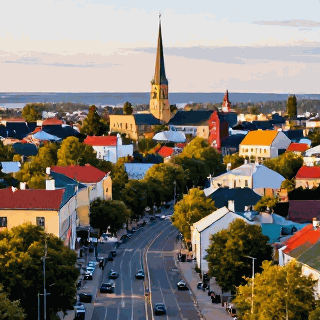
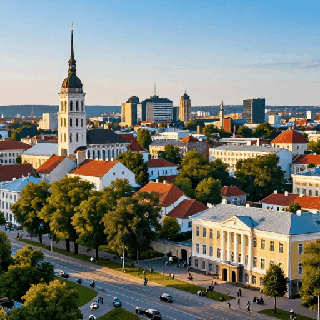
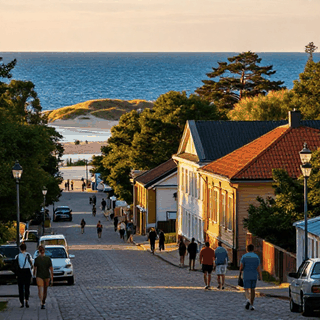
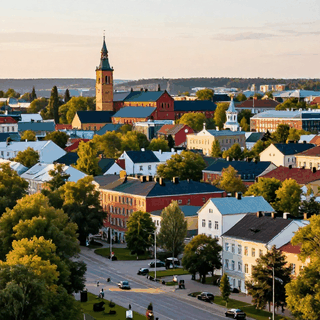
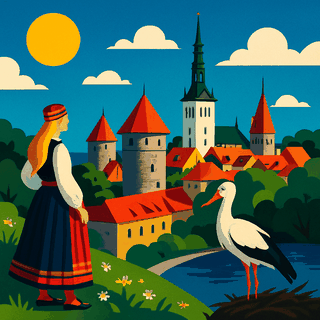
Estonia is located in Northern Europe, bordered by the Gulf of Finland to the east, Latvia to the south, the Baltic Sea to the west, and Finland to the north. Covering an area of 45,227 square kilometers, it boasts a rich natural landscape and numerous islands. Estonia's history dates back to ancient times, having experienced various periods of rule, including the Teutonic Knights, Sweden, Russia, and the Soviet Union, gaining independence in 1991 and gradually evolving into a modern state. The culture of Estonia blends elements from both Northern and Eastern Europe, with Estonian being part of the Finno-Ugric language family. Folk music and dance play a significant role in local culture. Economically, Estonia is known for its information technology, e-commerce, and innovative enterprises, with a high GDP per capita and a favorable business environment. Socially, Estonia emphasizes education and technological development, housing several high-ranking universities. In terms of tourism, Estonia is famous for its ancient towns, such as the Old Town of Tallinn, which is a UNESCO World Heritage site. Additionally, Estonia's natural beauty, including Lahemaa National Park and its islands, attracts many visitors. Important notes for travelers include respecting local culture and understanding basic Estonian etiquette, such as maintaining politeness and appropriate distance in social settings. In summary, Estonia is a charming country worth exploring.