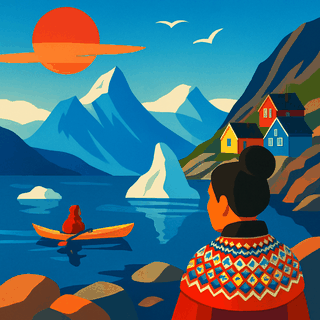
Greenland
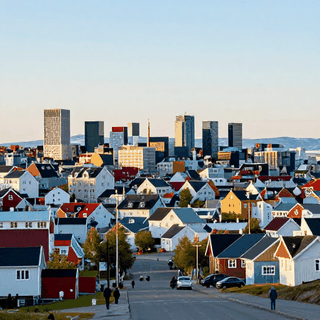
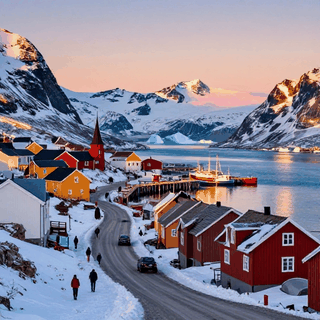
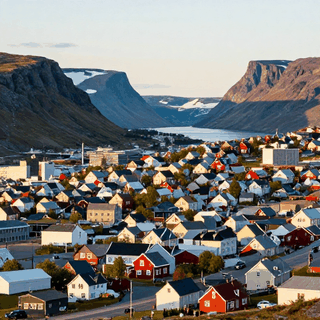
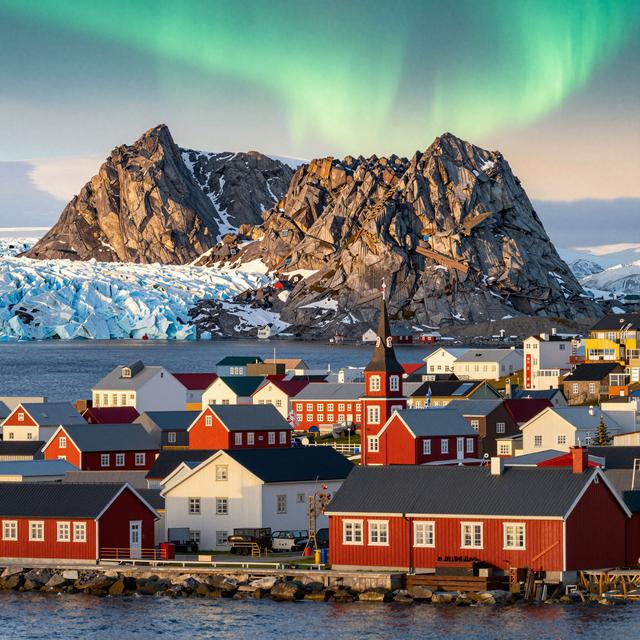
Greenland is the world's largest island, located within the Arctic Circle, bordered by the Atlantic Ocean to the east, Baffin Bay to the west, and the Arctic Sea to the south. Although geographically part of North America, it is politically a territory of the Kingdom of Denmark. The history of Greenland dates back to 2500 BC when the first inhabitants, the Inuit, settled there. The arrival of the Vikings in the 10th century brought significant cultural changes. Today, Greenland has a unique Inuit culture, with traditional crafts and folklore still playing a vital role in local life. Economically, Greenland's primary industries include fishing, mining, and tourism. Fishing is the backbone of the local economy, particularly the harvesting of shrimp and fish. In recent years, the development of mineral resources has also become an important source of economic growth. Additionally, tourism in Greenland is gradually rising, attracting many visitors to explore its stunning natural landscapes and unique culture. Tourist highlights include glaciers, icebergs, the Northern Lights, and abundant wildlife. Visitors can witness the famous glaciers in Ilulissat or experience local culture and history in Nuuk. However, when traveling to Greenland, it is essential to be mindful of climate change and extreme weather conditions, and travelers are advised to plan their itineraries in advance and bring suitable gear. Furthermore, due to relatively weak local infrastructure, travelers should familiarize themselves with transportation and accommodation options to ensure a smooth trip. In summary, Greenland, with its unique natural beauty and rich cultural heritage, is a destination worth exploring.