Guinea-Bissau
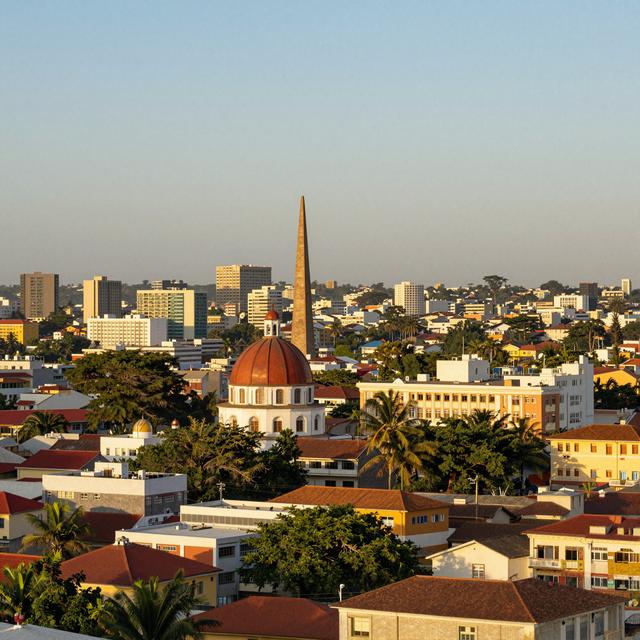
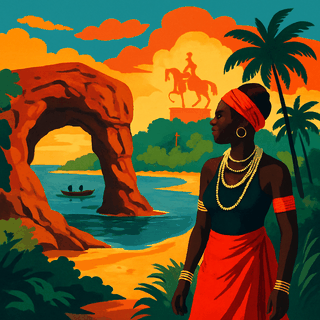
Guinea-Bissau is a country located in West Africa, bordered by Guinea to the east, Senegal to the south, and the Atlantic Ocean to the west. The country consists of a main continental part and several islands, with Bissau as its capital. The history of Guinea-Bissau has been influenced by Portugal, gaining independence in 1973, but it has experienced multiple coups and civil wars, resulting in a relatively unstable political situation. Culturally, Guinea-Bissau is a multi-ethnic nation, with major ethnic groups including the Bijagos, Fulani, and Mandinka people. The official language is Portuguese, alongside various local languages. Economically, the country is primarily agricultural, with key crops including cashew nuts, peanuts, and cotton, while fishing also plays an important role. In recent years, the government has made efforts to attract foreign investment and develop infrastructure. In terms of tourism, Guinea-Bissau attracts visitors with its rich natural resources and unique culture, especially the beautiful beaches and diverse marine life of the Bijagos Archipelago. However, tourists should be cautious about safety issues and are advised to check local security conditions and adhere to local laws and regulations. Overall, Guinea-Bissau is a country full of potential, suitable for travelers seeking to explore Africa's unique culture and natural beauty.