Guinea
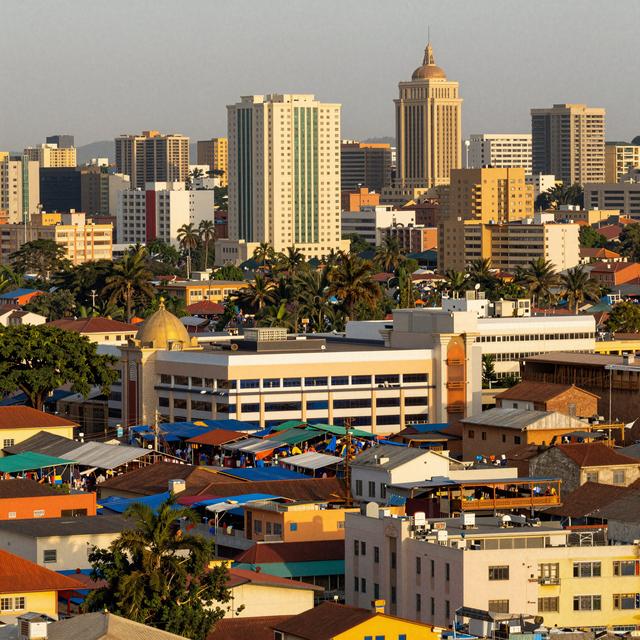
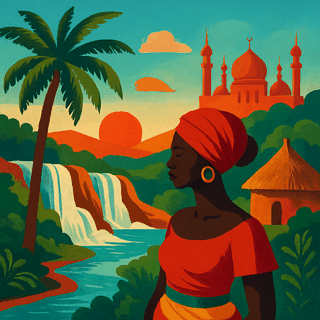
Guinea is located in West Africa, bordered by Côte d'Ivoire to the east, Liberia and Sierra Leone to the south, the Atlantic Ocean to the west, and Mali and Burkina Faso to the north. The country covers an area of approximately 245,857 square kilometers, featuring diverse terrain including mountains, plains, and rivers, with major rivers such as the Niger and Guinea rivers. Guinea's history dates back to ancient times, being the birthplace of several tribes and kingdoms, and became a French colony in the 19th century, gaining independence in 1958. The culture of Guinea is rich and diverse, with multiple ethnic groups and languages, the main ones being the Malinke, Fulani, and Susu. Traditional music and dance play a significant role in local culture. Economically, Guinea is known for its abundant mineral resources, particularly bauxite, gold, and diamonds, while agriculture also plays an important role, with key crops including rice, coffee, and cocoa. In recent years, Guinea's economic development has improved, but challenges such as inadequate infrastructure and high unemployment persist. For tourism, Guinea offers rich natural landscapes and cultural heritage, with notable attractions including Mount Nimba, Lake Loos, and the Comoé National Park. Visitors to Guinea should be aware of local safety conditions, avoid unsafe areas, and check visa and vaccination requirements in advance. Overall, Guinea is a country full of potential and charm, suitable for travelers interested in exploring nature and culture.