Ivory Coast
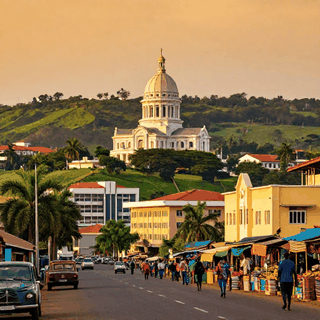
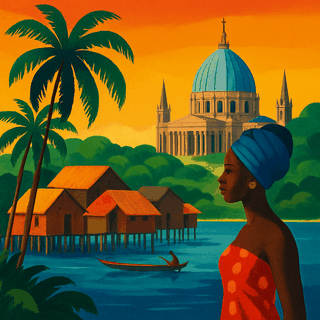
Ivory Coast, located in West Africa, is bordered by Ghana to the east, Liberia to the west, Burkina Faso to the north, and the Atlantic Ocean to the south. The country covers an area of approximately 322,463 square kilometers and boasts rich natural resources and diverse ecosystems. The history of Ivory Coast dates back to ancient times, being the origin of several kingdoms. In the late 19th century, it became a French colony and gained independence in 1960, experiencing political turmoil and civil war but gradually stabilizing in recent years. Ivory Coast is known for its multiculturalism, home to over 60 ethnic groups, with French as the official language. Traditional music and dance play a significant role in local culture. Economically, Ivory Coast is one of the world's largest producers of cocoa beans, with coffee, palm oil, and timber also being major exports. In recent years, the country's economy has grown rapidly, attracting significant foreign investment. In terms of tourism, Ivory Coast offers rich natural landscapes and cultural heritage, such as the modern urban scenery of Abidjan, the religious architecture in Yamoussoukro, and nature reserves. Visitors should be aware of local safety conditions, especially in certain areas, and it is advisable to check the latest travel advice and safety information before traveling. Overall, Ivory Coast is a vibrant and promising country, ideal for exploring its unique culture and natural beauty.