Martinique
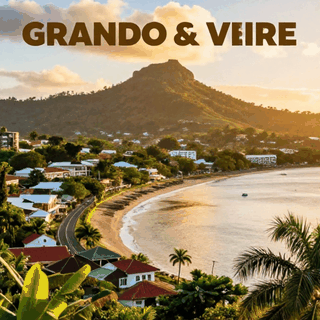
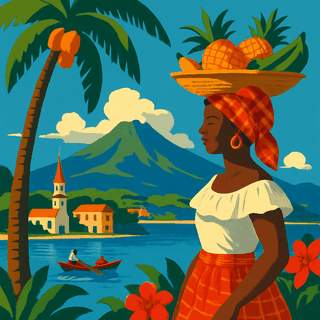
Martinique is a French overseas department located in the Caribbean, specifically in the Lesser Antilles, bordered by the Atlantic Ocean to the east and separated from Saint Lucia by a strait to the west. The island covers an area of approximately 1,128 square kilometers, featuring diverse terrain that includes volcanoes, mountains, and tropical rainforests. The climate is tropical, warm and humid throughout the year, making it suitable for plant growth. Historically, Martinique was discovered by Columbus in 1493 and subsequently became a French colony, experiencing various colonial rules and the slave trade. The island retains a rich blend of French and African cultures, with French as the official language, and the lifestyle of the inhabitants heavily influenced by French customs. Economically, Martinique's main sectors are agriculture and tourism. Bananas, sugarcane, and tropical fruits are the primary agricultural products, and the island is also known for producing rum and other specialties. The tourism industry is thriving, attracting many visitors to experience its beautiful beaches, rich natural landscapes, and unique culture. Tourist highlights in Martinique include stunning beaches like Les Salines, the majestic Mount Pelée volcano, and numerous nature reserves and national parks. Visitors can engage in activities such as diving, hiking, and cultural events to gain deeper insights into the local history and customs. In terms of travel tips, visitors should be mindful of the local climate changes and pack sunscreen and rain gear accordingly. Additionally, understanding local traffic rules and safety guidelines is essential to ensure a smooth and safe trip. Overall, Martinique is a charming travel destination suitable for all types of travelers to explore.