Namibia
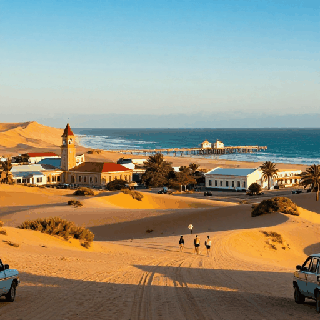
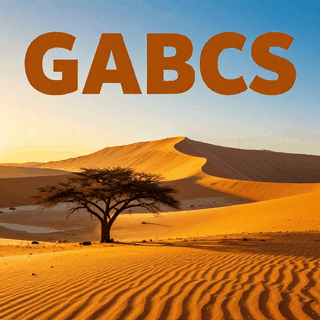
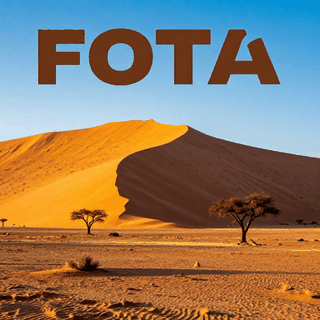
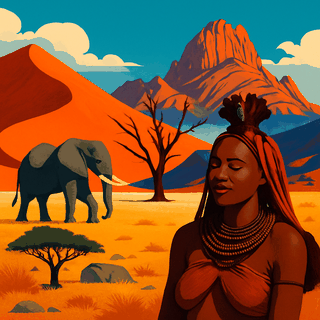
Namibia is located in southern Africa, bordered by Botswana to the east, South Africa to the south, the Atlantic Ocean to the west, and Angola and Zambia to the north. The country covers an area of approximately 825,615 square kilometers, characterized by deserts, savannas, and plateaus. Namibia's history dates back thousands of years, with the earliest inhabitants being the Khoikhoi and Bantu peoples. In 1884, Namibia became a German colony, and after World War I, it was occupied by South Africa until gaining independence in 1990. Namibia boasts a rich cultural heritage, with various ethnic groups and languages, primarily including the Herero, Nama, and Ovambo. Economically, Namibia relies heavily on mining, agriculture, and tourism. The country is one of the world's leading producers of uranium and diamonds, with mining contributing significantly to its GDP. Agriculture mainly focuses on livestock and crop production, particularly meat and maize. In recent years, tourism has rapidly developed, attracting many visitors to explore its unique natural landscapes and wildlife. Tourist highlights in Namibia include the famous Namib Desert, Etosha National Park, and Swakopmund. The Namib Desert is one of the oldest deserts in the world, known for its spectacular red sand dunes. Etosha National Park is an ideal place for wildlife viewing, where visitors can see elephants, lions, rhinos, and various other animals. Swakopmund attracts tourists with its coastal scenery and a variety of water activities. When traveling, it is advisable for visitors to pay attention to safety, avoiding solo travel, especially in remote areas. Additionally, understanding local laws and respecting cultural customs is crucial. Namibia has a dry climate, so visitors should carry enough water and sunscreen to cope with the high temperatures. Overall, Namibia is a captivating country, perfect for nature and adventure enthusiasts.