New Caledonia
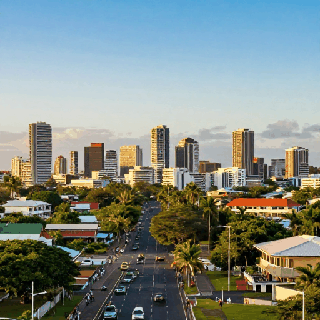
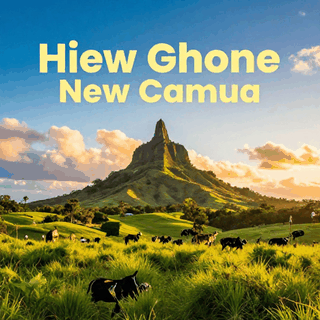
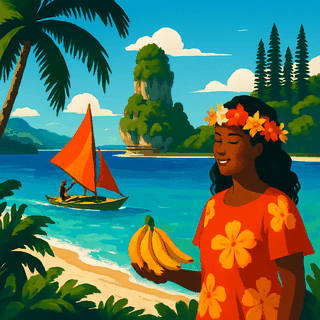
New Caledonia is a French overseas territory located in the South Pacific, situated between Australia to the west and New Zealand to the southeast. It consists of the main island of New Caledonia and several surrounding smaller islands, covering an area of approximately 19,000 square kilometers. The territory is rich in natural resources, particularly nickel, which is the backbone of its economy through mining and export. The history of New Caledonia dates back to around 1000 BC, with the earliest inhabitants being Melanesians. In the 19th century, France began its colonial rule over the region, and it remains a part of France today. The culture of New Caledonia is a blend of indigenous and French influences, creating a unique cultural identity. The local people are known for their traditional dances, music, and handicrafts. Economically, besides mining, agriculture and tourism are also gradually developing. New Caledonia is famous for its beautiful beaches, clear waters, and rich marine life, making it a popular destination for tourists, especially for snorkeling and diving activities. Visitors should be mindful of local laws and regulations, respect indigenous cultures, and protect the natural environment while exploring. Overall, New Caledonia is a charming travel destination suitable for those who appreciate nature and culture.