North Korea
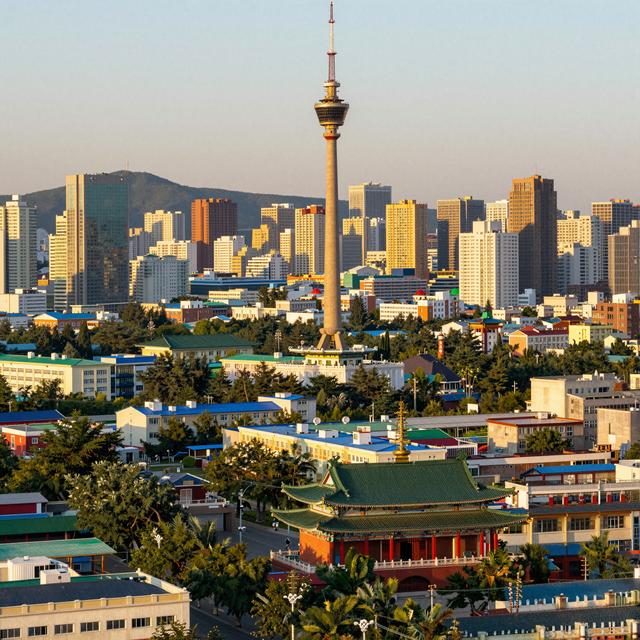
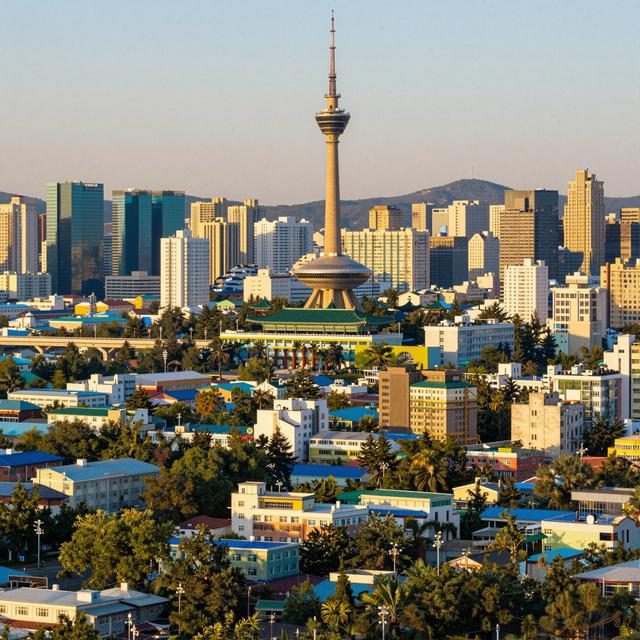
North Korea, officially known as the Democratic People's Republic of Korea, is located in East Asia on the northern part of the Korean Peninsula, bordered by the Sea of Japan to the east, the Yellow Sea to the west, and South Korea to the south. North Korea covers an area of approximately 120,000 square kilometers, characterized by mountainous terrain, with major mountain ranges including Mount Paektu and Mount Kumgang. The history of North Korea is long and complex, being the birthplace of several dynasties such as Goguryeo, Baekje, and Silla. In 1945, the Korean Peninsula was divided into North and South after World War II, and the Democratic People's Republic of Korea was established in 1948 as a socialist state. North Korean culture is heavily influenced by Confucianism, with traditional festivals such as the Lunar New Year and Chuseok, and rich folk arts including dance, music, and painting. Economically, North Korea's industry is primarily focused on heavy industry, particularly steel, machinery, and fertilizers, but faces challenges due to international sanctions and resource limitations. In agriculture, the main crops include rice, corn, and wheat. In recent years, the North Korean government has gradually opened up tourism to attract foreign visitors, with major attractions including the Juche Tower, Kim Il-sung Square, and the Mansudae Grand Monument in Pyongyang. Visitors should note that North Korea has strict regulations for foreign tourists, and it is essential to adhere to local laws and regulations upon entry, avoid political sensitive topics, and follow the arrangements and instructions of tour guides during travel. Overall, North Korea is a country rich in history and culture, worthy of in-depth exploration.