Paraguay
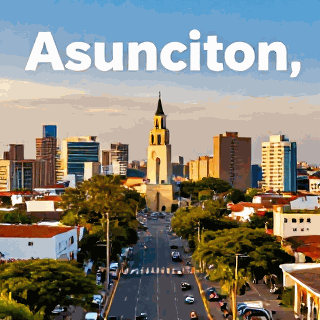
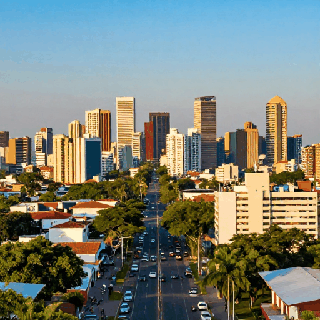
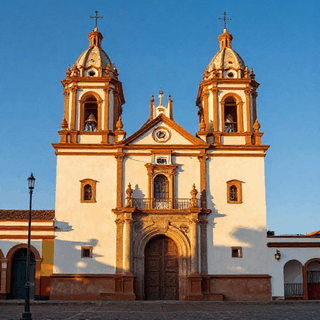
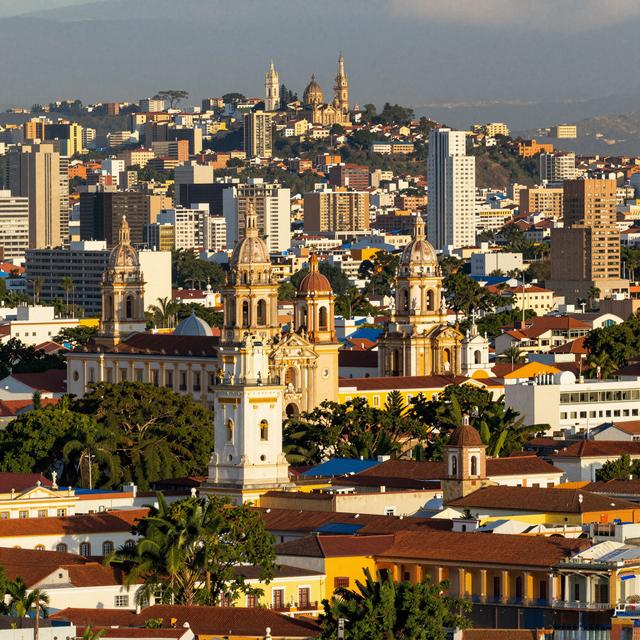
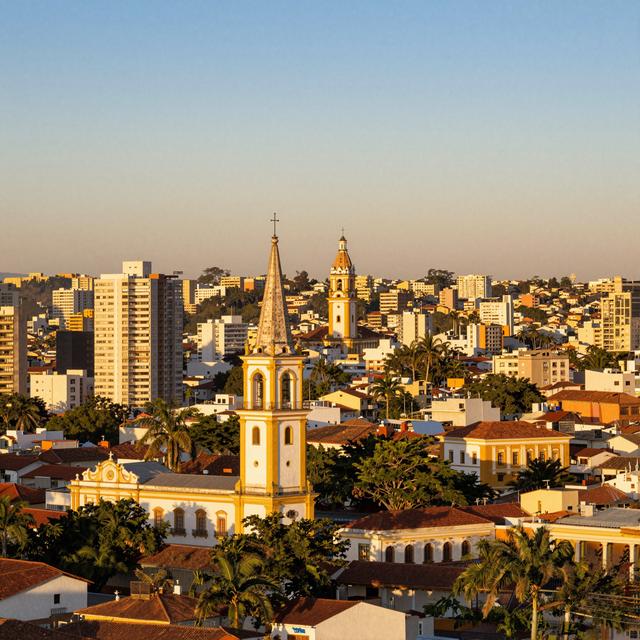
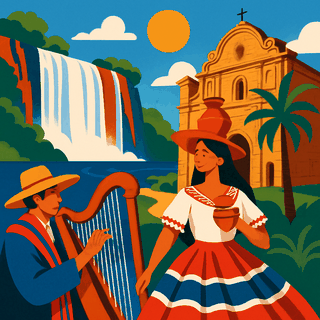
Paraguay is a landlocked country in South America, located between Argentina, Brazil, and Bolivia. It covers an area of approximately 406,752 square kilometers, with a terrain mainly consisting of plains and hills. The main rivers are the Paraguay River and the Paraná River. Paraguay has a humid subtropical climate, with hot and humid summers and mild, dry winters. Historically, Paraguay was a Spanish colony and gained independence in 1811. In the 19th century, Paraguay experienced several wars, including conflicts with Argentina and Brazil, which had a profound impact on the country's social and economic development. The culture of Paraguay is a blend of indigenous, European, and African elements, with Spanish and Guarani as the official languages. Economically, Paraguay is primarily agricultural, with major crops including soybeans, corn, and sugarcane. In recent years, Paraguay has focused on developing renewable energy, particularly hydroelectric power, with the Itaipu Dam being one of the largest hydroelectric plants in the world, providing significant support to the national economy. Despite economic growth, issues of social inequality and poverty persist. Tourism-wise, Paraguay boasts rich natural landscapes and cultural heritage. Notable tourist attractions include the Itaipu Dam, the historic center of Asunción, and the UNESCO World Heritage-listed Jesuit missions. Additionally, Paraguay's nature reserves and national parks offer excellent opportunities for eco-tourism. When traveling, visitors should be aware of local safety issues, avoid traveling alone at night, and remain vigilant about their surroundings. Learning some basic Spanish or Guarani phrases can also enhance communication with locals. Overall, Paraguay is a captivating destination suitable for those who enjoy exploring unique cultures and natural landscapes.