The Gambia
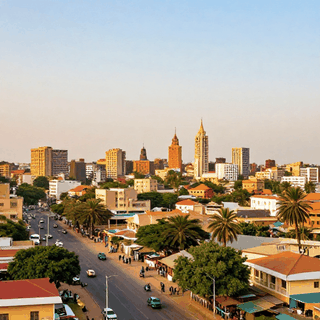
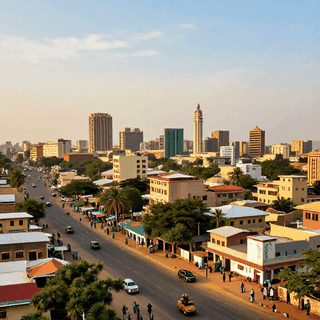
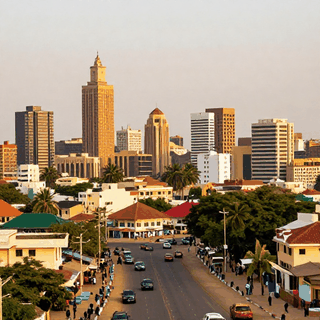
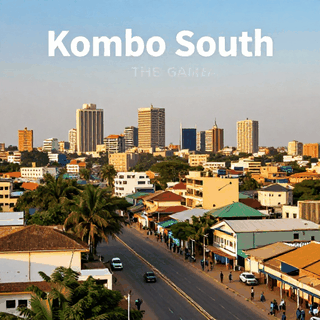
The Gambia is a small country located in West Africa, bordered by Senegal to the east and the Atlantic Ocean to the west, covering an area of approximately 11,295 square kilometers. The Gambia River runs through the country, creating its unique geographical features. Historically, The Gambia was an important center for the slave trade and became a British colony in the late 19th century, gaining independence in 1965. The country has a rich cultural heritage, with the main ethnic groups being the Mandinka and Wolof, and traditional music and dance play significant roles in local culture. Economically, The Gambia is primarily agrarian, with key crops including peanuts, rice, and cassava. Tourism is also a vital part of the economy, attracting many visitors from Europe. The Gambia boasts diverse natural landscapes, including national parks and wildlife reserves, with birdwatching being particularly popular. Tourist highlights include the Banjul National Park, Kotu Beach, and the markets in the capital city of Banjul. Visitors should be mindful of local customs and respect the way of life of the locals, especially in religious sites. Additionally, it is advisable for tourists to be cautious with food choices to avoid any health issues. Overall, The Gambia is a vibrant and diverse country, ideal for travelers seeking unique cultural experiences.