Tunisia
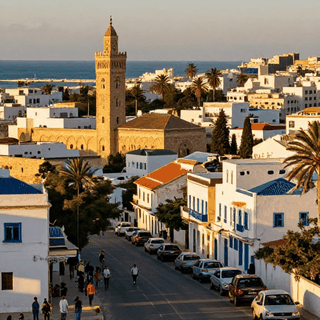
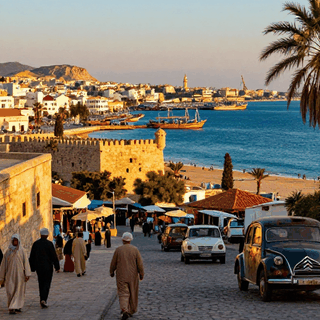
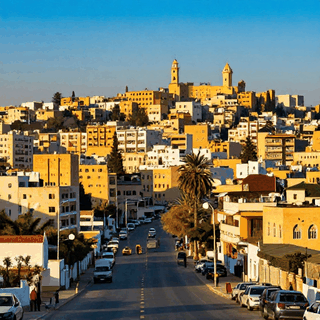
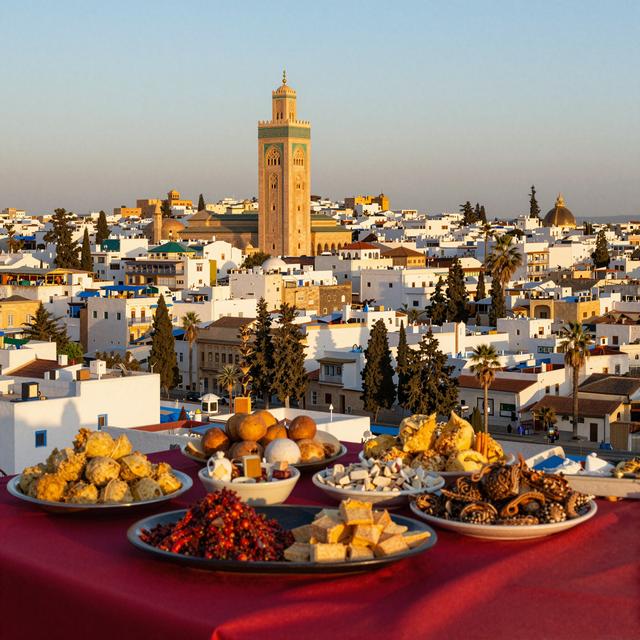
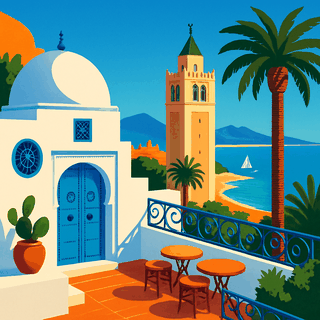
Tunisia is located in North Africa, bordered by the Mediterranean Sea to the east, Algeria to the west, and Libya to the south. Its geographical position has made it an important hub for ancient trade. Tunisia has a rich history, being the site of Carthage established by the Phoenicians, later ruled by the Romans, Byzantines, and Arabs, creating a diverse cultural heritage. The official language is Arabic, while French is widely used in business and education. Economically, Tunisia relies on agriculture, mining, and tourism as its main pillars. Olive oil, wine, and citrus fruits are significant agricultural products. In recent years, the Tunisian government has actively pursued economic reforms to attract foreign investment and develop the digital and green economies. Tunisia is renowned for its rich tourism resources, with famous attractions including the ruins of Carthage, the medina of Sousse, beautiful beaches, and the Sahara Desert. Visitors can experience unique Arab culture, delicious Mediterranean cuisine, and the warm hospitality of the local people. When traveling, tourists should pay attention to local customs, respect religious beliefs, especially during Ramadan. Additionally, it is advisable to avoid discussing sensitive political topics in public to ensure a smooth and enjoyable trip. Overall, Tunisia is a charming travel destination worth visiting.