Zambia
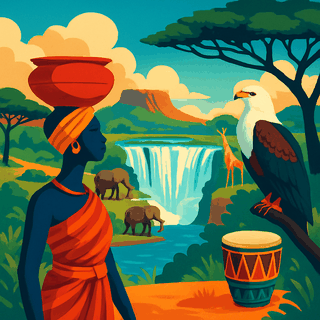
Zambia is located in southern Africa, bordered by Malawi to the east, Botswana and Namibia to the south, Angola to the west, and Tanzania and the Democratic Republic of the Congo to the north. As a landlocked country, Zambia is known for its rich natural resources and diverse ecosystems. Historically, Zambia was a British colony and gained independence in 1964, becoming a multi-party state that has undergone several political changes. The cultural diversity of Zambia is reflected in its 72 different ethnic groups and languages. Traditional music, dance, and handicrafts play an important role in local culture. Annual traditional festivals attract many tourists and showcase the rich ethnic culture. Economically, Zambia is primarily focused on copper mining, which is its main export commodity. Additionally, agriculture and tourism also play significant roles in the national economy. Despite facing some economic challenges, Zambia is committed to sustainable development and infrastructure improvement. In terms of tourism, Zambia is famous for the Victoria Falls, one of the largest waterfalls in the world, attracting many visitors. National parks such as South Luangwa National Park and Kafue National Park are ideal for wildlife observation, where tourists can see elephants, lions, and various bird species. When traveling, visitors should be aware of local safety conditions, avoid traveling alone at night, and adhere to local laws and regulations. It is also recommended to get vaccinated and carry mosquito repellent to prevent insect bites. Overall, Zambia is a country full of natural beauty and cultural charm, making it worth a visit.