Outdoor Resources and Seasonal Windows
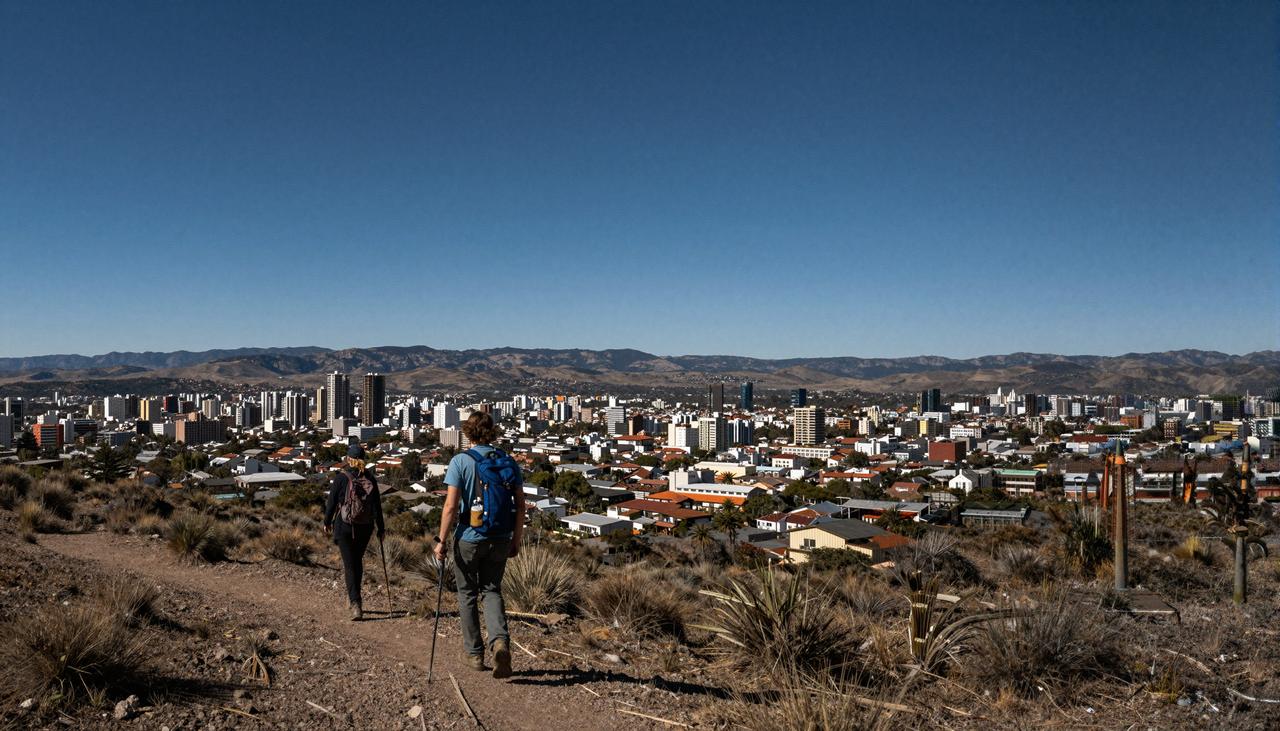
Argentina boasts abundant outdoor adventure opportunities, with the Andes Mountains and Patagonia being particularly renowned. The ideal hiking season runs from November to March, when the weather is relatively stable, days are warm, and nights cool down slightly. However, be aware that high-altitude areas may experience sudden snowfall or strong winds, so it’s advisable to check the weather forecast in advance.
The physical demands are considerable; some routes require long hours of walking and feature steep ascents. A certain level of mountaineering experience is recommended, along with essential gear. If you plan to visit Mount Ojos del Salado or Los Glaciares National Park, book a guide or campsite services well ahead of time.
Three Core Itineraries
Itinerary 1: Mendoza Wine Valley Hike (Days 1–2)
Distance/Elevation Gain/Duration: Approximately 15 km / 800 m elevation gain / 6 hours
Difficulty: Moderate
Supply Points: Mendoza city center, vineyard wineries
Starting in Mendoza, follow the Wine Valley Trail deep into the mountains, stopping at several wineries to sample local wines. This route is perfect for beginners or those seeking a short trek, with opportunities to rest or dine among the vineyards.
Itinerary 2: Patagonian Wilderness Traverse (Days 3–4)
Distance/Elevation Gain/Duration: Approximately 25 km / 1,200 m elevation gain / 8 hours
Difficulty: High
Supply Points: Campsites along the Santa Cruz River, lakeside huts
This journey takes you across Patagonia’s wild landscapes, including the Chubut River Valley and the area around Lake Los Menues. The trail is remote, so bring your own food and water—there are no major supply stations along the way.
Itinerary 3: Mount Ojos del Salado Trek (Days 5–7)
Distance/Elevation Gain/Duration: Approximately 30 km / 1,800 m elevation gain / 10 hours
Difficulty: Very High
Supply Points: Base village, summit campsite
Mount Ojos del Salado is one of South America’s highest peaks, and the trek climbs to elevations above 5,000 meters. A professional guide is required, and acclimatization to high altitude is essential. This route is best suited for experienced outdoor enthusiasts.
Daily Itinerary
Day 1: Mendoza Wine Valley Hike
Morning Start: Depart Mendoza city at 7 a.m., hike the vineyard trails, and soak in the valley’s scenery.
Midday Stop: Enjoy lunch at a winery, savoring local red wine and regional snacks.
Evening Rest: Return to Mendoza, settling into a hotel or guesthouse.
Day 2: Suburban Hike Near Mendoza
Morning Start: Head to a nearby volcanic rock area for a light hike, exploring unique geological formations.
Midday Stop: Dine at a small restaurant near the crater, refueling with hearty fare.
Evening Rest: Return to your accommodation for stretching and relaxation.
Day 3: Starting Point for the Patagonian Wilderness Traverse
Morning Start: Begin your long-distance hike from the banks of the Santa Cruz River, venturing into the wilderness.
Midday Stop: Have lunch at a lakeside hut or campsite, replenishing water and supplies.
Evening Rest: Arrive at your first campsite and settle in for the night.
Day 4: Venturing Deeper into Patagonia’s Wilds
Morning Start: Continue onward into the heart of the wilderness, crossing canyons and lakes.
Midday Stop: Set up a temporary camp in the field and prepare a meal using a portable stove.
Evening Rest: Retire under the stars, readying yourself for the challenges ahead.
Day 5: Preparing for the Ascent of Mount Ojos del Salado
Morning Start: Travel to the town at the foot of Mount Ojos del Salado for gear checks and acclimatization training.
Midday Stop: Recharge at a local restaurant before heading to the base camp.
Evening Rest: Check into the mountain camp and adjust your schedule.
Day 6: Climbing Mount Ojos del Salado
Morning Start: Depart at 4 a.m., beginning the ascent to the summit—a grueling climb.
Midday Stop: A temporary resupply point halfway up provides water and energy bars.
Evening Rest: Capture panoramic views from the peak, then begin your descent.
Day 7: Return and Reflection
Morning Start: Pack up your gear and prepare to head back.
Midday Stop: Enjoy a final meal in the foothills, reflecting on your journey.
Evening Rest: Return to Mendoza or Buenos Aires, bringing your seven-day outdoor adventure to a close.
Gear and Safety
Layered Gear Checklist
- Essentials: Backpack, sleeping bag, tent, sleeping pad, headlamp, water bottle, trekking poles
- Clothing System: Quick-drying top, fleece, waterproof jacket, thermal underwear, waterproof boots, gloves, hat
- Navigation Tools: Map, compass, GPS device, smartphone (with offline maps)
- First-Aid Kit: Band-aids, antiseptic wipes, pain relievers, antihistamines, altitude sickness medication
Emergency Weather Plan
In case of sudden weather changes, seek shelter immediately and avoid exposure to wind and rain. If evacuation isn’t possible, stay put, conserve body heat, and keep communication open while awaiting rescue.
Emergency Contacts
Carry emergency contact information at all times, including local emergency numbers (e.g., 911), park management phone lines, and your guide’s details. In an emergency, dial for help without delay.
Budget Breakdown + Risk Mitigation Tips + FAQs
Estimated Per-Person Budget
| Item | Cost (USD) |
|---|---|
| Round-Trip Airfare | 800–1,200 |
| Accommodation (7 Nights) | 300–500 |
| Meals | 200–300 |
| Local Transportation | 100–200 |
| Gear Rental | 150–250 |
| Guide Fees | 200–400 |
| Miscellaneous Expenses | 100–150 |
| Total | 1,850–2,700 |
Risk Mitigation Checklist
- Altitude Sickness: High-altitude areas like Mount Ojos del Salado can trigger oxygen deprivation; acclimatize in advance.
- Unpredictable Weather: Patagonia’s climate is highly variable—monitor weather alerts closely.
- Insufficient Supplies: Remote routes demand ample food and water; don’t run out mid-trip.
- Navigation Challenges: Some trails lack clear markings; bring both paper maps and a GPS device.
- Wildlife Encounters: Keep your distance from animals in the wild to avoid disturbing them.
- Incomplete Documentation: Ensure your passport and visas are valid to prevent delays at borders.
- Transportation Delays: Flights and buses in remote regions may be affected by weather; build flexibility into your schedule.
- Over-Reliance on Guides: Guide quality varies; research their reputation beforehand.
FAQs
Q: Do I need to book a guide in advance?
A: Yes, especially for high-altitude or wilderness routes—reserve at least a week ahead.
Q: How can I manage altitude sickness?
A: Acclimatize gradually by arriving early, taking medication, and staying hydrated.
Q: What medications should I bring?
A: Essential items include cold and pain relievers, antihistamines, anti-diarrheal drugs, and altitude sickness remedies.
Q: Is self-driving allowed in protected areas?
A: Access is restricted in some zones; follow local regulations and check ahead.
Information Verification Sources
- Official Tourism Authority: Argentina National Tourism Office website (https://www.argentina.gob.ar/turismo)
- Attraction Websites: Mount Ojos del Salado, Los Glaciares National Park, Mendoza Wine Valley websites
- Mapping Platforms: Google Maps, Waze, Mapbox
- Transportation Sites: Aerolíneas Argentinas, Buenos Aires Metro, local bus company websites
- Weather Services: AccuWeather, Windy, Argentina Weather Service