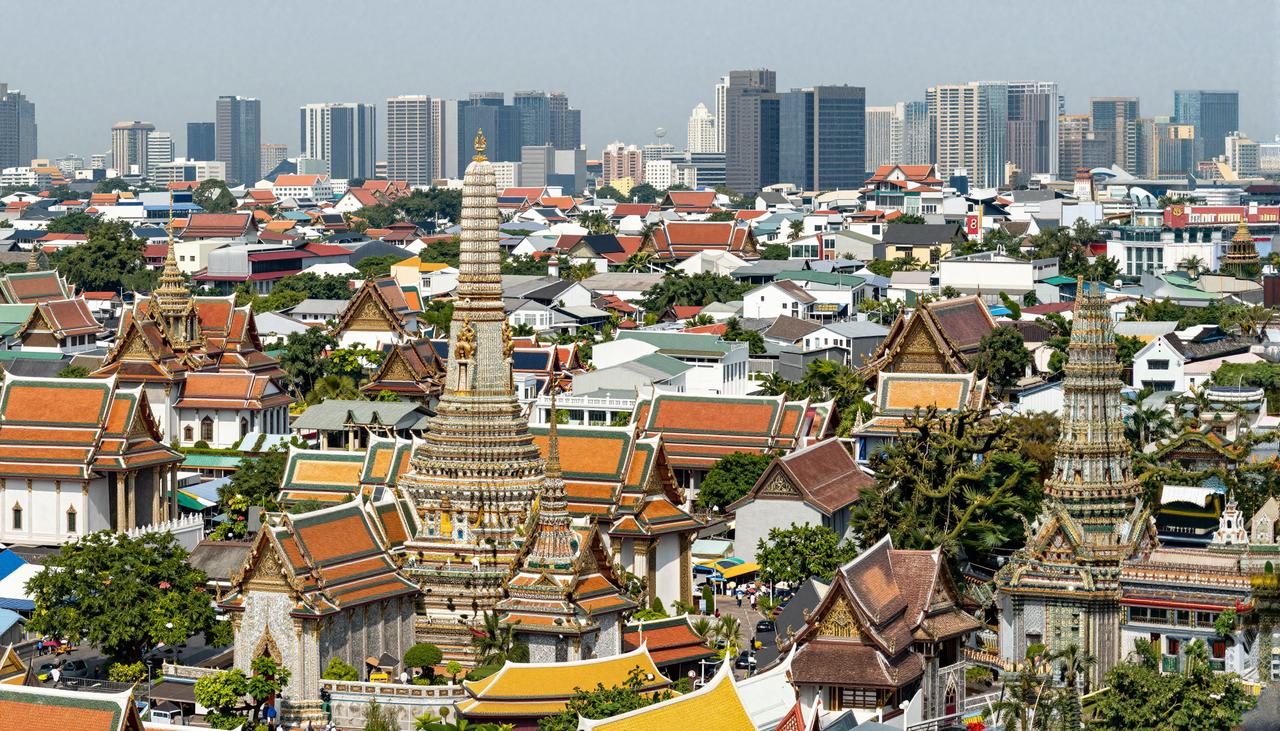
For travelers eager to delve deep into Thai culture, Bangkok is a must-visit destination. Beyond its majestic temples and ancient palaces, the city brims with vibrant traditional festivals and hands-on craft experiences. Below is a four-day cultural travel guide, crafted from on-the-ground insights and practical tips, designed to help you fully immerse yourself in the city’s rich history and human spirit.
Day 1: Exploring Bangkok’s Religious and Architectural Splendor
1. The Grand Palace
As one of Bangkok’s most iconic landmarks, the Grand Palace stands as a symbol of Thailand’s Buddhist heritage. This opulent complex includes Wat Phra Kaew, home to the world-famous Emerald Buddha. It’s advisable to purchase tickets in advance to avoid peak crowds and to dress modestly out of respect.
2. Wat Phra Kaew
Located within the Grand Palace, Wat Phra Kaew is among Thailand’s most sacred Buddhist sites. The temple’s dazzling gold ornamentation and intricate carvings are truly awe-inspiring, offering a profound glimpse into Thai Buddhist art.
3. Wat Pho
Wat Pho is renowned for its colossal Reclining Buddha, measuring 46 meters in length and depicting the Buddha’s passing into Nirvana. The temple also houses a traditional Thai massage school, where you can enjoy an authentic Thai massage to unwind and rejuvenate.
4. Talat Phlu Market
Though slightly off the city center, Talat Phlu Market provides a wonderful opportunity to experience local life. Bursting with fresh fruits, spices, and handmade crafts, it’s perfect for a leisurely stroll and a taste of Bangkok’s bustling street culture.
Day 2: Immersing in Thai Traditions and Folklore
5. Khao San Road
Khao San Road is Bangkok’s quintessential nightlife hub. While it caters primarily to tourists, you’ll find plenty of street performances, live music, and local snacks here. However, keep in mind that this area is heavily frequented by foreigners and may not offer an authentic cultural experience.
6. Damnoen Saduak Floating Market
Just about an hour’s drive from Bangkok, the floating market at Damnoen Saduak is an ideal spot to experience Thailand’s unique water-based way of life. Hop aboard a small boat to weave through the canals, sampling local specialties such as coconut candy and dried mango. Arriving early is recommended to steer clear of the busiest times.
7. Traditional Thai Dance Performance (Siam Niramit)
In the evening, treat yourself to a grand performance of traditional Thai dance, like “Siam Niramit.” Combining dance, music, costumes, and storytelling, this show vividly brings Thai history and culture to life.
Day 3: A Deep Dive into Cultural Experiences
8. Chulalongkorn University
While not a conventional cultural attraction, Chulalongkorn University boasts a stunning campus, especially during cherry blossom season in spring, drawing many visitors. It also offers a fascinating look into the lives of Thailand’s youth.
9. Wax-Dye Fabric Workshop (Lanna Textile)
At select artisan studios around Bangkok, you can try your hand at wax-dye fabric making—a technique originating in northern Thailand. Patterns are meticulously drawn by hand and then dyed using natural plant-based pigments, resulting in vivid, culturally rich textiles.
10. Thai Cooking Class
Enrolling in a Thai cooking class is an excellent way to gain a deeper understanding of the country’s culinary traditions. Many establishments offer a comprehensive program, from selecting ingredients to hands-on preparation, teaching you how to make classic dishes like Tom Yum soup and green curry.
Day 4: Reflection and Farewell
11. Chulalongkorn University
A return visit to Chulalongkorn University allows for a more intimate appreciation of its academic atmosphere and historical significance. The campus features numerous photogenic buildings and sculptures.
12. Bangkok Museum
If you’re interested in Thai history, a visit to the Bangkok Museum is highly recommended. With an extensive collection spanning from ancient times to the present day, it provides a comprehensive overview of the nation’s development.
13. Shopping and Preparing to Depart
On your final day, explore the city’s shopping centers or traditional markets to pick up souvenirs and local specialties. Be sure to shop at reputable vendors to avoid overpriced items.
Cultural Etiquette and Tips
- Dress Code: When visiting temples, wear long pants or skirts and avoid sleeveless tops or shorts. Women should refrain from wearing revealing clothing.
- Polite Phrases: Thais place great importance on politeness, often using “Krub” (thank you) and “Krap” (sorry) to express respect.
- Cultural Taboos: Never point at people with your feet, touch others’ heads, or handle Buddhist relics without permission. Also, avoid loud conversations in public spaces.
- Transportation Advice: Bangkok’s traffic can be chaotic. Consider using the BTS or MRT subway systems, or agree on a fare with your taxi driver before setting off.
Bangkok is a storied city steeped in history and culture. Whether your interests lie in religion, art, or cuisine, there’s something here for everyone. We hope this guide proves valuable as you embark on a memorable cultural journey through Bangkok!