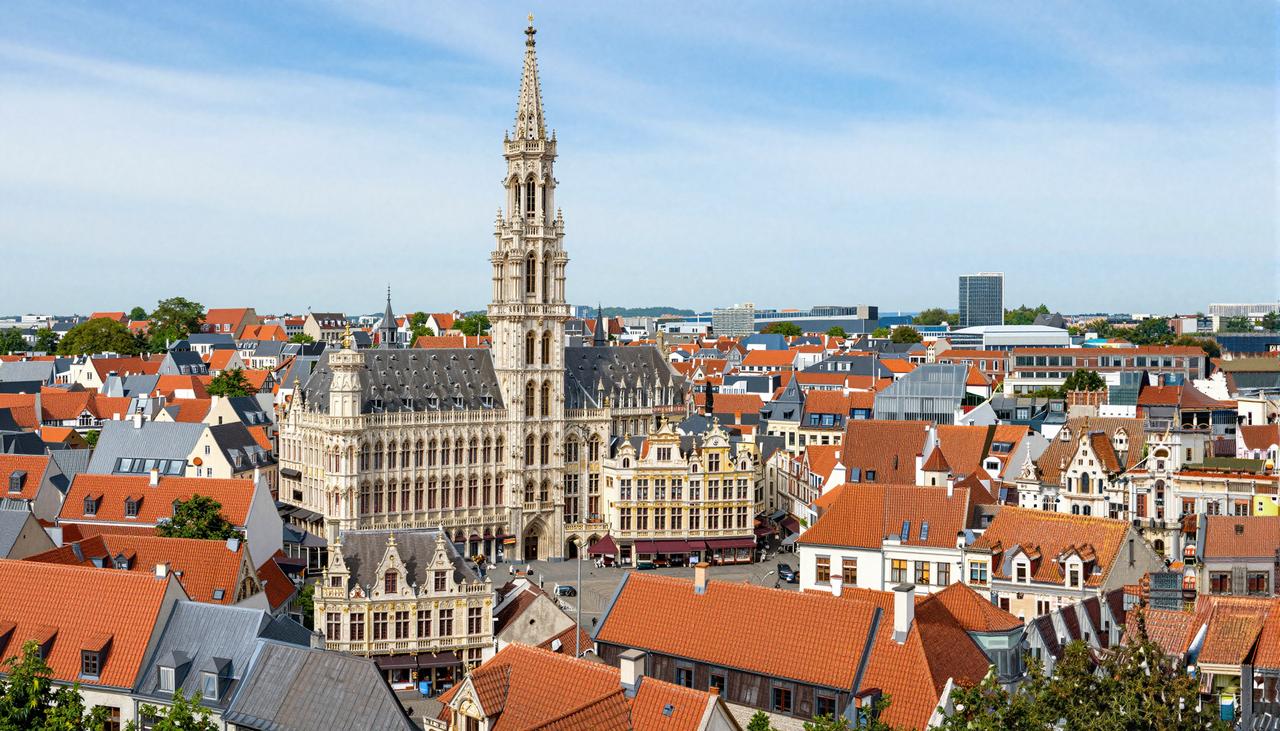
Food Overview
Though small in size, Belgium boasts a rich and distinctive culinary culture, heavily influenced by France, the Netherlands, and Germany. This has given rise to a gastronomic tradition centered on meats, cheeses, breads, and beer. Belgian cuisine not only emphasizes fresh ingredients but also places great importance on cooking techniques and layered flavors.
Culinary Traditions and Characteristics
Belgian cuisine is renowned for its “slow food” philosophy, which celebrates local ingredients and time-honored methods. Brussels, the capital, is the birthplace of many iconic dishes; Antwerp is famous for its seafood; and Ghent is a paradise for street food lovers. Belgians have a deep affection for beer, with each variety offering a unique character that perfectly complements the country’s traditional fare.
Must-Try Dishes
- Frites (French Fries): Crispy on the outside, tender within, often served with a choice of sauces.
- Chocolat (Chocolate): Belgium is home to some of the world’s finest chocolates, available in countless varieties.
- Carbonade Flamande: Beef braised slowly in beer, delivering a rich, savory flavor.
- Moules Frites: Mussels paired with fries, a staple in coastal cities.
- Waffle: Available in both sweet and savory styles, especially ubiquitous on the streets of Brussels.
- Sausage: Such as Bratwurst or Pâté, typically enjoyed with a pint of beer.
- Pommes de Terre (Mashed Potatoes): Creamy and smooth, often served as a side dish.
- Cider: A refreshing, sweet-and-sour beverage that features prominently in daily life.
Dietary Restrictions and Tips
Belgians place high value on ingredient freshness, so it’s best to dine at eateries frequented by locals. Some restaurants may not accept credit cards, so carrying cash is advisable. Vegetarians need not worry—Belgium offers numerous vegetarian options, though it’s wise to double-check for hidden animal-derived ingredients.
Top Food Recommendations
Belgian Frites
Recommendation Rating: ★★★★★
Frites are one of Belgium’s most iconic specialties, with a crispy exterior and soft interior. The classic way to enjoy them is with mayonnaise or ketchup. In Brussels, head to Le Friterie du Marché aux Poissons, where a portion costs around €2.50 (approximately RMB 19), open from 8 a.m. to 10 p.m.
Chocolat
Recommendation Rating: ★★★★★
Belgian chocolate is celebrated worldwide, with brands like Godiva, Neuhaus, and Leonidas leading the pack. Near Grand Place in Brussels, you’ll find an array of chocolatiers. For instance, Neuhaus offers chocolates priced between €3–10 (RMB 24–76), perfect for souvenirs.
Carbonade Flamande
Recommendation Rating: ★★★★☆
This northern Belgian classic features beef slow-cooked in beer, enriched with carrots, onions, and other ingredients. At Le Comptoir de la Gastronomie in Brussels, expect to spend about €25 per person (RMB 190), ideally paired with a local brew.
Moules Frites
Recommendation Rating: ★★★★☆
On Antwerp’s waterfront, Moules Frites reigns supreme—a plate of mussels and clams served with fries. Try De Brouwerij, where meals cost roughly €15–20 (RMB 115–150).
Belgian Waffle
Recommendation Rating: ★★★★☆
In Ghent, waffles are a must-try treat. La Maison du Waffle offers a range of flavors, including chocolate, caramel, and strawberry, priced at €3–5 (RMB 23–38).
Sausage
Recommendation Rating: ★★★★☆
At Marché Saint-Géry in Brussels, you’ll find an assortment of sausages, such as Bratwurst and Pâté. Stop by Bouchon de la Reine, where dining runs about €10–15 (RMB 76–115).
Pommes de Terre
Recommendation Rating: ★★★★☆
This dish is particularly beloved in Liège, prized for its creamy texture and often served as a side. Visit Le P’tit Bistro, where a meal sets you back around €12 (RMB 92).
Cider
Recommendation Rating: ★★★★☆
Belgian cider is crisp and refreshing, making it an excellent accompaniment to various dishes. At Le Tertre des Brasseurs in Brussels, a glass costs approximately €3–5 (RMB 23–38).
Recommended Restaurants and Food Districts
Featured Eateries
| Restaurant Name | Address | Signature Dish | Average Cost | Hours |
|---|---|---|---|---|
| Le Comptoir de la Gastronomie | Rue de l'Épicerie, 11, 1000 Brussels | Carbonade Flamande | €25 | 11:00–22:00 |
| De Brouwerij | Groenplaats 10, 2000 Antwerp | Moules Frites | €15–20 | 12:00–23:00 |
| La Maison du Waffle | Markt 11, 9000 Ghent | Waffle | €3–5 | 10:00–22:00 |
| Bouchon de la Reine | Rue Montoyer, 11, 1000 Brussels | Sausages | €10–15 | 11:00–22:00 |
| Le P’tit Bistro | Rue de l’Etuve, 4, 4000 Liège | Pommes de Terre | €12 | 11:00–21:00 |
| Le Tertre des Brasseurs | Rue des Minimes, 3, 1000 Brussels | Cider | €3–5 | 12:00–23:00 |
| Chez Léon | Rue des Ecrevisses, 12, 1000 Brussels | Mussels | €18 | 12:00–22:00 |
| Maison Dandoy | Rue des Bouchers, 23, 1000 Brussels | Chocolate | €5–10 | 10:00–19:00 |
| La Vache Noire | Rue des Écoles, 4, 1000 Brussels | Belgian Cheese | €15 | 11:00–22:00 |
| Le Grand Café de la Place | Grand Place, 1, 1000 Brussels | Waffle | €4 | 10:00–22:00 |
Food Streets and Night Markets
Grand Place, Brussels
Highlights: As Brussels’ beating heart, this square is surrounded by countless restaurants and cafés, ideal for strolling and sampling. At night, its illuminated ambiance is simply magical. Best Time to Visit: Late afternoon through evening.
Market Square, Antwerp
Highlights: The central market square is a hub for locals, with outdoor stalls selling regional snacks like fish and chips and sausages. Best Time to Visit: Noon to early evening.
St. Pieters Station Area, Ghent
Highlights: This lively district brims with eateries and bars, perfect for an evening out. Best Time to Visit: After 7 p.m.
Reservations and Avoiding Pitfalls
Most restaurants don’t require reservations, but it’s wise to call ahead for those near popular attractions. Some establishments accept only cash, so carry a small amount of euros. Steer clear of randomly chosen spots in tourist-heavy areas; opt instead for venues favored by locals to ensure quality.
Dining Culture and Etiquette
Table Manners and Tips
Belgians take dining etiquette seriously. Before eating, they often say “Bon appétit,” wishing you a pleasant meal. Never cross your knife and fork on the table, as this can be seen as impolite. Also, refrain from using your phone at the table, as it’s considered disrespectful.
Unique Culinary Experiences
- Chocolate-Making Classes: At Choco Story in Brussels, you can learn the art of chocolate crafting—perfect for families or food enthusiasts.
- Food Tours: Join a guided Brussels Food Tour led by a professional guide to delve into the city’s culinary heritage.
- Market Walks: At Stationsmarkt in Antwerp, gain insights into Belgium’s local ingredients and bustling food markets.
Catering to Special Dietary Needs
- Vegetarian Options: Many restaurants offer vegetarian choices, such as Le Jardin de l’Olivier in Brussels.
- Halal Cuisine: Halal eateries like Al-Baik can be found in Brussels and Antwerp.
- Allergies: Inform your server of any allergies in advance; most restaurants will accommodate you.
FAQs and Practical Advice
How to Spot Authentic Local Cuisine?
Choose eateries frequented by locals, especially in neighborhoods less overrun by tourists. For example, Rue de l'Épicerie in Brussels or the St. Pieters Station Area in Ghent often serve the most genuine flavors.
Takeaway, Delivery, and Bento Boxes
Many restaurants offer takeaway services. At Le Comptoir de la Gastronomie in Brussels, you can even pack up a hearty carbonade to go. Meanwhile, Maison Dandoy’s chocolates make excellent gifts to bring home.
Food Safety Precautions
Belgium maintains stringent food safety standards, yet it’s still best to avoid raw or undercooked foods. Tap water is generally safe to drink, but if you’re sensitive, bottled water is readily available.
Frequently Asked Questions
Q: Can I use credit cards in Belgium? A: Most restaurants accept cards, but smaller establishments may prefer cash.
Q: Where can I buy the best chocolate? A: Look for Neuhaus, Godiva, and Leonidas—Belgium’s top chocolate brands—at stores in Brussels or Antwerp.
Q: Do I need to book restaurants in advance? A: Reservations aren’t usually necessary, but during peak season or at popular sites, it’s wise to confirm by phone.
Q: Are drinks expensive in Belgium? A: Beer and juices are reasonably priced, with a pint costing around €3–5 and a bottle of mineral water about €1–2.
Q: How do I find vegetarian restaurants in Belgium? A: Search online for “Vegan Restaurants in Brussels” or “Vegetarian Restaurants in Ghent,” or simply ask locals.