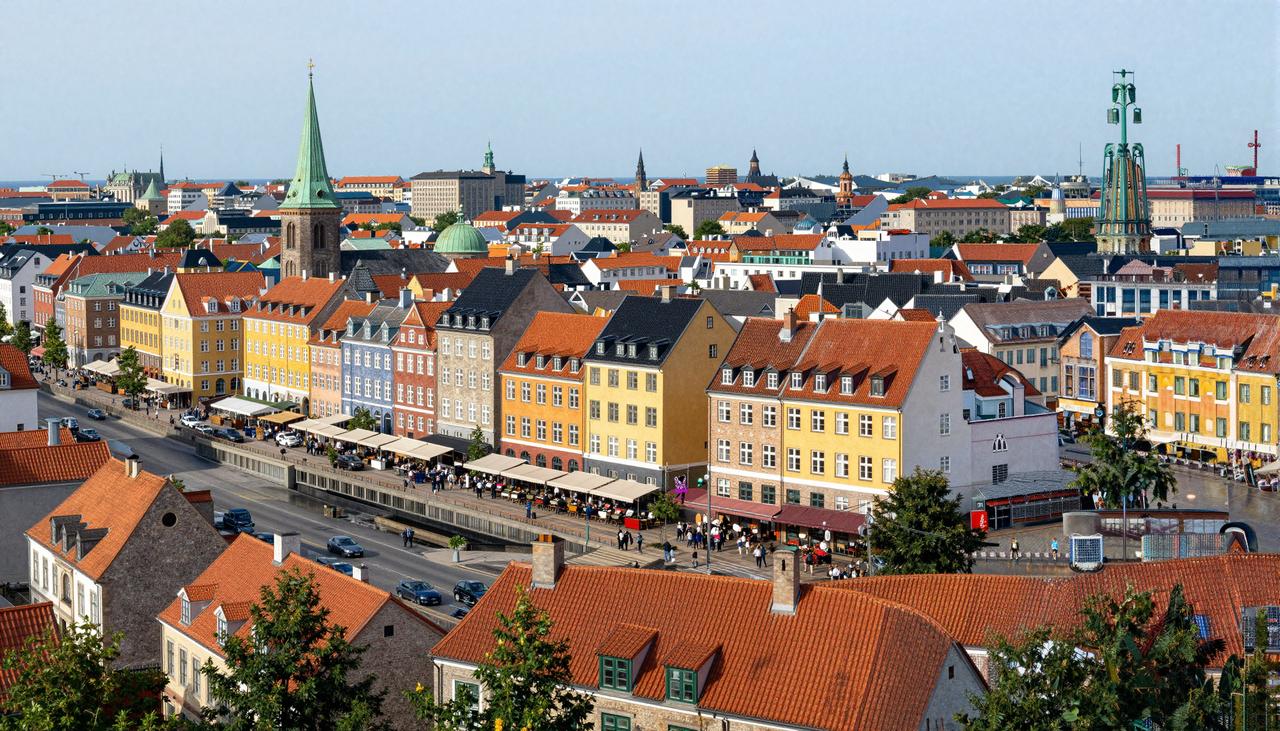
Food Overview
Denmark’s culinary culture is deeply shaped by its geography and history, characterized by simplicity, freshness, and a focus on the natural flavors of ingredients. As one of the Nordic countries, Danish cuisine centers around pork, fish, bread, and dairy products, while also incorporating influences from neighboring nations such as Germany and Sweden to create a distinctive local flavor.
In cities like Copenhagen, Aarhus, and Odense, you can savor traditional Danish delicacies such as cinnamon rolls (Krumkake) and open-faced sandwiches (Smørrebrød), alongside innovative modern dishes. Moreover, Denmark’s beer and wine scene is equally noteworthy, especially in the bars surrounding Carlsberg and the Ny Carlsberg Glyptotek.
Must-Try Foods List
- Open-Faced Sandwich (Smørrebrød): A classic Danish breakfast, topped with various ingredients like pickled herring, ham, and cheese.
- Danish Cinnamon Roll (Krumkake): A delicate, crispy dessert commonly found in bakeries and cafés.
- Roast Pork (Flæskesteg): Crispy on the outside, tender within, served with mashed potatoes and lingonberry sauce.
- Danish Hot Dog (Pølse): A popular street food, typically enjoyed with onions, pickles, and mustard.
- Pickled Herring (Rålaks): Raw herring slices, often paired with onions and dill.
- Danish Sausage (Pølser): A local specialty, usually served with fries and condiments.
- Dessert Platter (Dansk Snekke): Includes small cakes, puddings, and cookies.
- Danish Apple Pie (Æblekage): A flaky pastry filled with apples, sweet yet not overly rich.
Dietary Restrictions and Tips
- Danes generally avoid spicy foods, except at Indian or Thai restaurants.
- Cafés and restaurants rarely offer complimentary water; bring your own or purchase it.
- Danish supermarkets (such as Coop, Lidl, and Rema 1000) provide affordable ready meals and deli items—perfect for takeout.
- Vegetarians and halal diners should check ahead to ensure a restaurant meets their needs; some establishments clearly label their offerings.
- Be mindful of allergens like nuts and seafood—menu descriptions or server assistance can help.
Top Food Recommendations
1. Open-Faced Sandwich (Smørrebrød)
Taste Profile: Made on rye bread, topped with fresh pickled herring, ham, cheese, eggs, and more, offering a rich, layered experience. Recommendation Rating: ★★★★★ (A must-try) Best Place to Try: Café L’Éclair (Copenhagen) Price: Around 120 DKK (≈120 RMB) Getting There: Walk to the city center, near Amagerbro Metro Station.
2. Danish Cinnamon Roll (Krumkake)
Taste Profile: Paper-thin, crisp on the outside and soft within, dusted with powdered sugar and irresistibly fragrant. Recommendation Rating: ★★★★☆ (A treat for dessert lovers) Best Place to Try: Høstens Kagehus (Copenhagen) Price: About 30 DKK (≈30 RMB) Hours: Daily, 9:00–18:00
3. Roast Pork (Flæskesteg)
Taste Profile: Golden, crispy skin encasing juicy, tender meat, paired with creamy mashed potatoes and tangy lingonberry sauce—a truly unique flavor. Recommendation Rating: ★★★★★ (A local favorite) Best Place to Try: Fiskebåden (Copenhagen) Price: Approximately 180 DKK (≈180 RMB) Getting There: Located near Nyhavn; accessible by bus or on foot.
4. Danish Hot Dog (Pølse)
Taste Profile: Sausage grilled to perfection, served with onions, pickles, and mustard—simple yet delicious. Recommendation Rating: ★★★★☆ (A quintessential street food) Best Place to Try: Benny’s Pølser (Copenhagen) Price: Around 30 DKK (≈30 RMB) Hours: Daily, 10:00–22:00
5. Pickled Herring (Rålaks)
Taste Profile: Raw herring slices, accompanied by onions and dill—refreshing and appetite‑whetting. Recommendation Rating: ★★★★☆ (Worth trying at least once) Best Place to Try: Reffen (Copenhagen) Price: Approximately 60 DKK (≈60 RMB) Getting There: Close to Stroget shopping street, easily reachable on foot.
Recommended Restaurants and Food Districts
Featured Restaurants (8–10)
| Restaurant Name | Address | Signature Dish | Average Cost | Hours |
|---|---|---|---|---|
| Café L’Éclair | Amagerbrovej 37, 2300 København S | Smørrebrød | 120 DKK | 9:00–18:00 |
| Fiskebåden | Strandboulevarden 45, 1012 København | Flæskesteg | 180 DKK | 11:00–22:00 |
| Høstens Kagehus | Kongens Nytorv 18, 1050 København | Krumkake | 30 DKK | 9:00–18:00 |
| Benny’s Pølser | Skindergade 12, 1113 København | Pølse | 30 DKK | 10:00–22:00 |
| Reffen | Østergade 29, 1150 København | Rålaks | 60 DKK | 11:00–22:00 |
| Noma | Krystalgade 7, 1411 København | Innovative Cuisine | 2,000 DKK | 17:30–22:30 |
| Geranium | Vesterbrogade 42, 1450 København | Michelin Three Stars | 2,500 DKK | 17:30–22:30 |
| Restaurant AOC | Grønningen 12, 1453 København | Nordic Flavors | 1,000 DKK | 12:00–22:00 |
Food Streets/Night Markets
1. Stroget (Copenhagen)
- Highlights: Europe’s longest pedestrian street, lined with cafés, dessert shops, and restaurants.
- Best Time to Visit: Late afternoon to evening—vibrant and lively.
2. Nyhavn (Copenhagen)
- Highlights: A historic waterfront district with numerous restaurants and bars, aglow with twinkling lights at night.
- Best Time to Visit: Evening through late night—ideal for strolling and dining.
3. Madsen’s Gade (Copenhagen)
- Highlights: A charming hidden alleyway brimming with local character, perfect for discovering authentic eats.
- Best Time to Visit: Afternoon to early evening, away from peak crowds.
Restaurant Reservation Tips and Pitfalls to Avoid
- Reservations for Noma and Geranium are essential and should be made weeks in advance via their websites or third-party platforms like OpenTable.
- Avoid Peak Hours: Lunch between 12:00–14:00 and dinner from 18:00–20:00 are the busiest times; consider visiting off-peak.
- Menu Language: Some restaurants offer only Danish menus; download a translation app beforehand or ask your server for assistance.
Dining Culture and Etiquette
Danes value simplicity, politeness, and punctuality at the table. It’s customary to enjoy a drink or tea before a meal, followed by dessert afterward.
Unique Culinary Experiences
- Cooking Classes: In Copenhagen, you can join workshops to master traditional Danish dishes like Smørrebrød and Krumkake.
- Food Tours: Food Tour Copenhagen offers guided walks through the city’s culinary highlights, including local markets, cafés, and restaurants.
- Market Visits: Tivoli Food Market combines food, crafts, and performances, making it a great spot for visitors to immerse themselves in Danish culture.
Catering to Special Dietary Needs
- Vegetarians: Head to vegetarian-friendly spots near Søllerød Gymnasium, such as Vegans & Vegetarians.
- Halal Diets: Halal Food Denmark provides a list of certified halal restaurants, including Al-Fatimah.
- Allergens: Most eateries label allergens, but it’s still wise to inform your server to prevent cross-contamination.
Common Questions and Tips
How Can You Spot Authentic Local Cuisine?
- Look for Locals: If a restaurant is packed with locals, it’s likely a reliable choice.
- Menu Language: Purely Danish menus tend to cater to locals, while English menus suggest a more international vibe.
- Price Check: An average cost of 100–200 DKK per person falls within the typical range.
Takeaway/Food-to-Go/Bento Options
- Coop, Lidl, and Rema 1000 offer affordable ready meals and deli items—perfect for a quick bite.
- Café L’Éclair and Høstens Kagehus allow you to pack desserts to go.
- For delivery, services like Uber Eats and Just Eat make dining convenient and hassle-free.
Food Safety Precautions
- Denmark boasts high food safety standards, but always choose reputable establishments.
- Avoid drinking untreated tap water; opt for bottled water instead.
- Carry essential medications when traveling, just in case of stomach upset.
FAQ
Q1: Are Danish dining prices expensive? A: Mid-range restaurants typically charge 100–300 DKK per person; upscale venues are pricier.
**Q2: Where are the best spots for photos? A: Nyhavn, Stroget, and Tivoli are among the most Instagrammable food destinations.
**Q3: What beverages do Danes prefer? A: Beer (like Carlsberg), wine, and coffee are the most popular choices.
**Q4: Can I bring food back to China? A: Yes, but be sure to comply with customs regulations—avoid carrying meat or dairy products.
**Q5: What makes good Danish souvenirs? A: Danish cinnamon rolls, honey, artisanal chocolates, and craft beer are all excellent options.