Cultural Overview
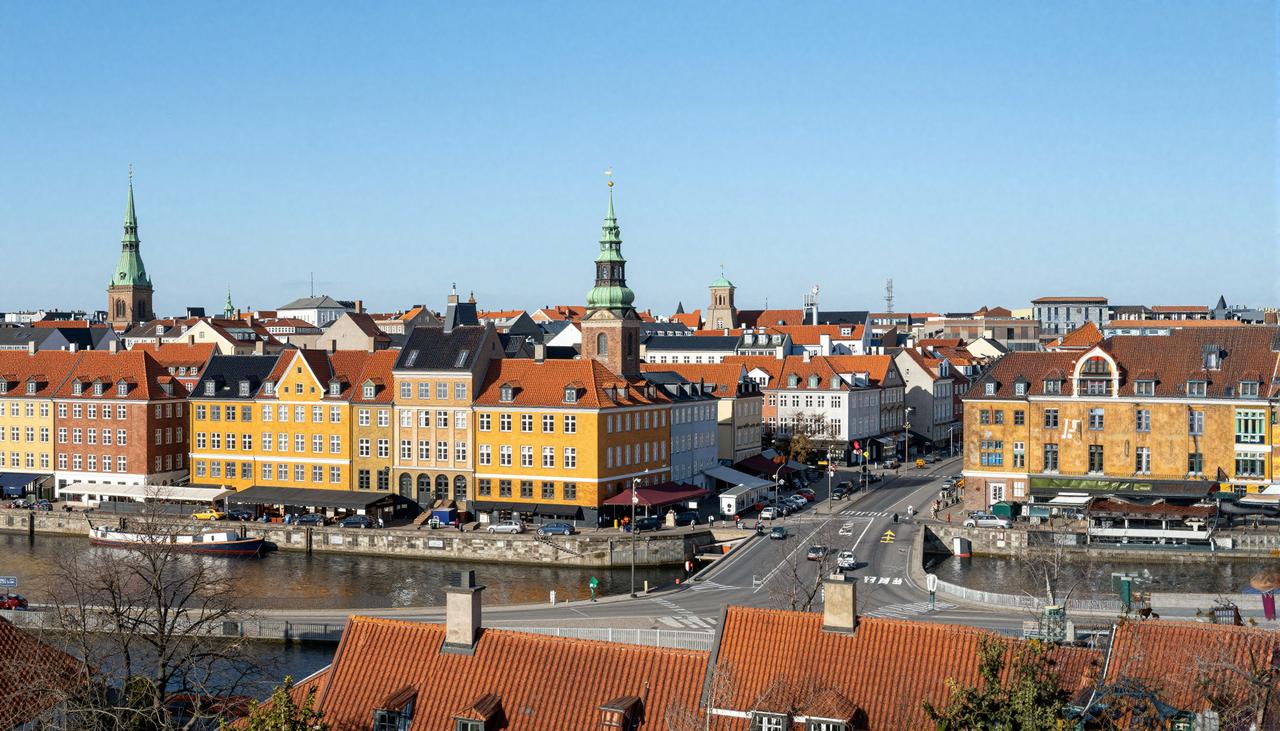
Denmark is one of the oldest and most culturally rich countries in Northern Europe, boasting a wealth of historical heritage and a unique cultural identity. From the seafaring civilization of the Viking Age to the courtly art of the Renaissance, and to the creative flair of its modern design capital, Denmark’s cultural thread runs through the ages.
Key cultural highlights include: Gothic churches, Art Nouveau architecture, Viking culture, Nordic design, fairy tales, brewing traditions, woodcarving craftsmanship, and folk festivals, among others. In Denmark, every city and every street may hold a piece of history or a story waiting to be discovered.
Budget Suggestion: A 7-day cultural itinerary will cost roughly 3,000–5,000 RMB, covering transportation, entrance fees, meals, and accommodation. For a deeper experience, consider adding another 1,000–2,000 RMB for craft workshops or guided tours.
Itinerary Planning Tip: Start in Copenhagen, gradually head west into Jutland, then explore Funen Island or the North Sea coast, before returning to the capital to wrap up your trip—this route effectively connects Denmark’s diverse cultural landscapes.
Must-Visit Cultural Landmarks
Copenhagen’s Cultural Icons
1. The National Museum of Denmark (Statens Museum for Kunst)
Address: Langelinie, 1000 Copenhagen K, Denmark
Admission: Adults 120 DKK (about 120 RMB), Students 80 DKK
Must-See Exhibits: Dutch Golden Age paintings, 19th-century French Impressionist works, and Danish national art collections
This museum is one of the largest art institutions in Northern Europe, with a collection spanning the 16th to 21st centuries, particularly renowned for its Dutch and French art. I especially recommend seeing the replicas of Van Gogh’s “Wheatfield” and Munch’s “The Scream”—though not originals, they still capture the essence of these masterpieces.
2. Rosenborg Castle (Rosenborg Slot)
Address: Rosenborgsgade 4, 1600 Copenhagen V, Denmark
Admission: Adults 100 DKK (about 100 RMB), Students 60 DKK
Historical Background: Built in 1606 as a royal palace, now a historical museum
Visiting Tips: Book a guided tour in advance—the docents provide fascinating insights into royal life. Inside, the Crown Jewels Treasury displays crowns and scepters from generations of Danish kings; it’s well worth a visit.
3. The Little Mermaid Statue (Den Lille Havfrue)
Address: Langelinie, 1000 Copenhagen K, Denmark
Admission: Free
Best Time to Visit: Early morning or late afternoon, when crowds are light and the lighting is soft—perfect for photos. Nearby attractions like Amalienborg Palace and Christianshavn can easily be explored together.
Jutland’s Cultural Landmarks
1. Horsens Cathedral
Address: Klosterstræde 2, 7400 Herning, Denmark
Admission: Free
Historical Background: Founded in the 12th century, blending Romanesque and Gothic styles
Highlights: The interior murals and stained-glass windows are true works of art, especially the Madonna window, whose vibrant colors are truly breathtaking.
2. Larsen Museum
Address: Vesterbrogade 50, 1401 Copenhagen K, Denmark
Admission: Adults 80 DKK, Students 50 DKK
Specialty: Dedicated to Nordic folk art and traditions, showcasing rural Danish life, costumes, and crafts
Recommended Activity: Join a weekend craft workshop and try your hand at making traditional Danish pottery or weaving.
Cultural Quarters & Historic Towns
1. Tivoli Gardens
Address: Tivoli Brygge, 1450 Copenhagen K, Denmark
Best Time to Visit: Evening, when the lights come on for a romantic, magical atmosphere. The park features an open-air theater and a traditional ballroom, often hosting musical performances.
2. Horsens Old Town
Address: Horsens, Denmark
Features: Well-preserved medieval buildings, cobblestone streets, red-brick houses, and winding alleys create a strong sense of history
Suggested Activity: Stroll through the town, stopping by the Horsens Museum and Town Hall Square to soak up the local pace of life.
Traditional Experiential Activities
Craft Workshops
1. Danish Glassblowing Experience
Location: København Glass Center, Strandboulevarden 14, 1011 Copenhagen K, Denmark
Cost: Around 1,500 DKK (about 1,500 RMB)
Duration: Approximately 2 hours
Why Try It: Create your own glass cup or vase using traditional blowing techniques. Staff offer patient guidance, so even beginners can succeed.
2. Danish Woodcarving Class
Location: Nordic Wood Art Studio, Holmenkollen, Oslo, Norway (Note: This is in Norway, but similar studios exist in Denmark)
Cost: About 800 DKK (around 800 RMB)
Duration: 1.5 hours
Why Try It: Carve traditional Danish motifs, such as Viking ship patterns or Norse mythological symbols, ideal for hands-on enthusiasts.
Traditional Performances & Festivals
1. Royal Danish Ballet Performance
When: Typically held from October to May
Where: The Royal Theatre (Det Kongelige Teater)
How to Buy Tickets: Online or at the box office
Recommended Productions: “Swan Lake,” “Giselle,” “A Midsummer Night’s Dream”
Personal Note: Attending a ballet performance is a wonderful way to appreciate Denmark’s artistic spirit; the stage design and performers’ artistry are exceptional.
2. Horsens Folk Festival
When: Held every August
Where: Horsens, Denmark
Highlights: Traditional costumes, craft demonstrations, folk music, and dance performances
Why Go: Immerse yourself in Danish cultural heritage, with opportunities to join folk-dance lessons or weaving workshops.
Local Culinary Experiences
1. Danish Cooking Class
Location: Copenhagen Cooking School, Gammel Strand 10, 1015 Copenhagen K, Denmark
Cost: Around 2,000 DKK (about 2,000 RMB)
What You’ll Learn: How to make Danish cinnamon buns (Kanelboller), sourdough bread, and pickled herring
Why Try It: Taught by professional chefs, the class is both fun and informative, and you get to enjoy your creations afterward.
2. Danish Beer Tasting Tour
Location: Carlsberg Brewery, Valby, Copenhagen, Denmark
Admission: Adults 150 DKK, Students 100 DKK
What’s Included: A factory tour and tastings of various Carlsberg beers
Why Try It: Gain deep insight into Denmark’s beer culture—perfect for craft-beer lovers.
Cultural Etiquette & Practical Tips
In Denmark, politeness and respect are at the heart of social interactions. Locals value personal space, so maintain a comfortable distance during conversations and avoid being overly familiar.
Dress Code: When visiting churches or religious sites, opt for long pants or skirts and avoid bare shoulders or shorts. Some churches have specific requirements for women—check ahead of time.
Photography Etiquette: Taking photos in public spaces is generally fine, but always ask permission before shooting in private homes or sacred places. When photographing people, inquire first.
Lifestyle Observations: Danes prioritize environmental awareness and sustainable living; waste sorting is strict, and smoking is banned in most public areas. Payments are typically made by cash or card, with mobile payments less common.
In-Depth Cultural Recommendations & FAQs
Themed Itinerary Suggestions
- Copenhagen Art Trail: National Gallery → Rosenborg Castle → The Little Mermaid → Tivoli Gardens
- Jutland History Journey: Horsens Cathedral → Horsens Old Town → Larsen Museum
- Nordic Traditions Tour: Glassblowing workshop → Woodcarving class → Danish cooking lesson → Beer tasting
Local Guides & Cultural Tours
- Copenhagen Cultural Guide: Book through GetYourGuide for multilingual options
- Jutland Deep-Dive Tours: Contact Local Guides Denmark for customized itineraries
Language Tips
- Hello: Hej
- Thank you: Tak
- Please: Vær så god
- Sorry: Undskyld
- Goodbye: Farvel / Hej hej
- Excuse me: Undskyld, kan jeg spørge... (“Excuse me, may I ask...?”)
- How much does it cost?: Hvor meget koster det?
- Toilet: Toilet
- Hotel: Hotel
- Emergency: Nødnummer (emergency number: 112)
FAQs
Q1: What’s the weather like in Denmark? What should I pack?
A: Denmark has a temperate maritime climate, with mild summers and cool winters. Bring lightweight jackets, waterproof shoes, and warm layers.
Q2: Do I need to book museum tickets in advance?
A: Yes, especially for popular sites like the National Gallery or Rosenborg Castle. Booking online saves time and avoids long lines.
Q3: Do most Danes speak English?
A: Yes, English is widely spoken, particularly in tourist areas and major cities.
Q4: How expensive is Denmark?
A: Prices are relatively high, but with careful planning, you can enjoy quality experiences. Budget 300–500 DKK per day for daily expenses.
Q5: What souvenirs are worth buying?
A: Danish ceramics, wood carvings, glassware, and traditional foods like cookies (Kage) and pickled herring (Sild) make great keepsakes.