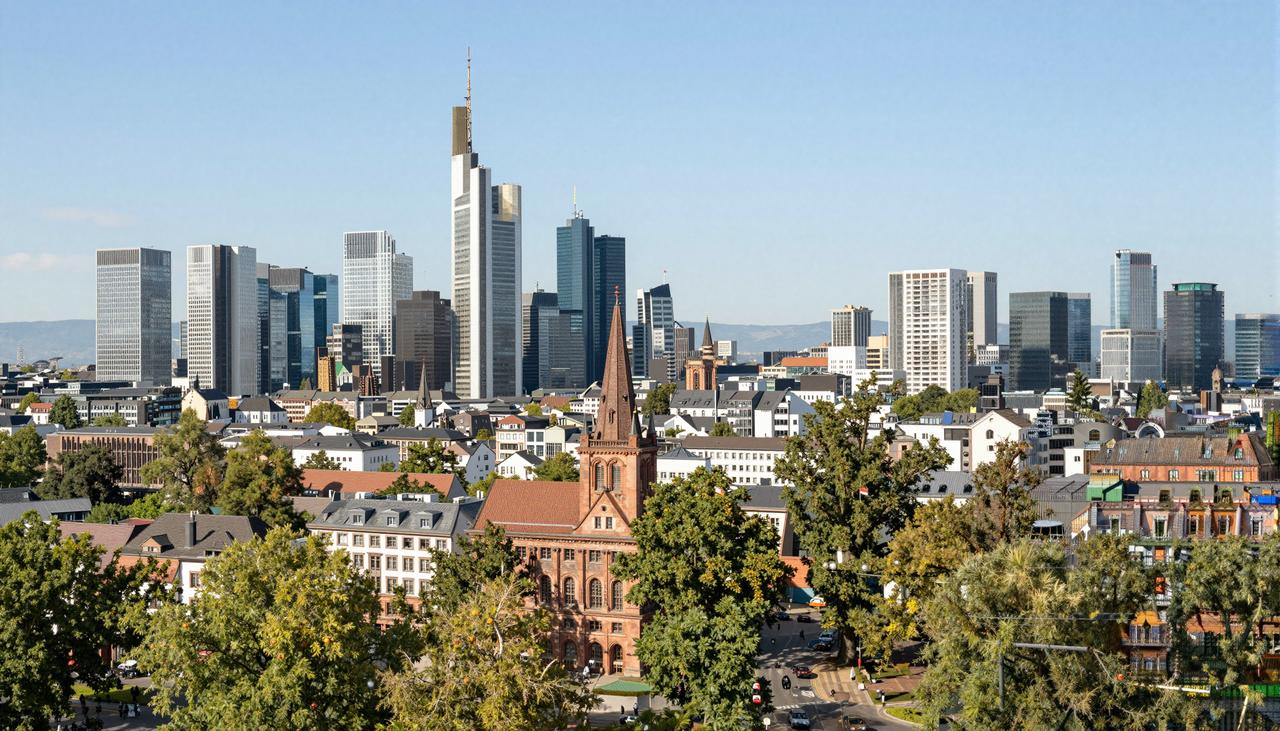
Frankfurt, a city nestled on the banks of the Main River, is one of Germany’s most cosmopolitan metropolises and a historic cultural hub. While it’s renowned for finance and commerce, its rich cultural heritage is equally compelling. Below is a three-day cultural itinerary for Frankfurt, blending must-see landmarks, local festivals, hands-on craft experiences, and practical etiquette tips to help you immerse yourself in the city’s authentic charm.
Day 1: City History and Architectural Splendor
1. Frankfurt Cathedral (Dom St. Bartholomäus)
As one of Frankfurt’s most iconic landmarks, this Gothic cathedral dates back to the 12th century and served as the coronation site for Holy Roman emperors. Inside, admire the exquisite stained-glass windows and soaring stone pillars. A climb to the top of the tower offers panoramic views of the Main River and the entire cityscape.
2. Römerberg Square
The heart of Frankfurt’s Old Town, Römerberg Square is a symbol of the city’s storied past. The medieval-style Römer town hall stands proudly here, surrounded by charming half-timbered buildings—making it a favorite spot for visitors to snap photos. During festivals, traditional markets and performances come alive in this vibrant square.
3. Paulskirche (St. Paul’s Church)
This neoclassical church is not only a place of worship but also a powerful symbol of German democracy. It was here in 1848 that the first democratically elected national assembly drafted a constitution, earning it the nickname “the cradle of German democracy.” With its simple yet dignified interior, Paulskirche invites quiet reflection and contemplation.
4. Main River Promenade (Mainufer)
A leisurely stroll along the Main River is the perfect way to soak up Frankfurt’s urban landscape. Start at Römerberg and walk toward Goethe House or Frankfurt Central Station, where modern architecture seamlessly blends with historic sites, creating a captivating mix of old and new.
5. Goethe House (Goethe-Haus)
The birthplace of Johann Wolfgang von Goethe has been transformed into a museum showcasing his life, manuscripts, and personal belongings—essential viewing for literature enthusiasts. The house also regularly hosts poetry readings and lectures, adding depth to your visit.
Day 2: Art and Craft Exploration
6. German Film Museum (Deutsches Filmmuseum)
Cinema buffs will find this museum irresistible. It houses an extensive collection of German film classics, from early celluloid reels to props and directors’ scripts. Interactive exhibits and multimedia displays offer an immersive look into the filmmaking process.
7. Städel Museum
One of Europe’s premier art museums, the Städel boasts a vast collection spanning from the Middle Ages to contemporary works, including paintings, sculptures, and decorative arts. Masterpieces by Van Gogh, Picasso, and other giants grace its halls, making it a pilgrimage site for art lovers.
8. Old Town (Altstadt)
Beyond Römerberg, Frankfurt’s Old Town holds many hidden gems waiting to be discovered. Highlights include St. Catherine’s Church (Katharinenkirche), the Old Mint (Alte Münze), and quaint taverns and cafés. Its narrow, winding streets exude a distinct medieval charm.
9. Craft Experience: Pottery Workshop (Töpferwerkstatt)
In neighborhoods like Sachsenhausen, you can find traditional pottery studios. Join a workshop to create your own ceramic piece—a unique cultural experience that deepens your understanding of local craftsmanship.
10. Local Culinary Delight: Black Forest Cake (Schwarzwälder Kirschtorte)
Though not originally from Frankfurt, you can still savor an authentic version at local patisseries. Don’t miss the chance to sample regional specialties such as Frankfurter sausages and Rhineland pot roast (Rheinischer Sauerbraten).
Day 3: Festivals and Traditional Experiences
11. Hanseatic Festival (Hochzeit der Stadt Frankfurt)
Every May, Frankfurt hosts a grand medieval-themed celebration featuring 15th-century markets, parades, and street performances. It’s a wonderful opportunity to delve into the city’s history and folklore, especially for those who appreciate vintage flair.
12. Christmas Market at Römerberg
If you’re visiting in winter, be sure to attend Frankfurt’s famous Christmas market. Boasting traditional snacks, mulled wine (Glühwein), and handmade crafts, the market radiates a warm, festive atmosphere—perfect for experiencing German holiday traditions.
13. Musical Theater Performance (Theater an der Bank)
Frankfurt boasts a thriving theater scene, particularly known for its popular musicals and operas. Book tickets in advance to enjoy world-class productions.
Cultural Etiquette, Taboos, and Tips
- Polite Phrases: Germans value courtesy. Simple greetings like “Guten Tag” (Hello), “Danke” (Thank you), and “Bitte” (Please) go a long way in making locals feel welcome.
- Punctuality: Time is sacred in Germany; arriving late is considered disrespectful. Aim to reach appointments ahead of schedule.
- Public Behavior: Maintain a low profile in public spaces, especially on trains and in libraries.
- Dining Customs: Avoid crossing your cutlery on the plate, and never stick your chopsticks upright in a bowl of rice—both gestures carry negative connotations in German culture.
- Environmental Awareness: Germans are highly conscious of sustainability. Be sure to follow the strict recycling guidelines when disposing of waste.
Budget-Friendly Tips
- Accommodation: Mid-range hotels cost around €100–€150 per night, while hostels or guesthouses offer more affordable options.
- Meals: A typical meal runs about €10–€15, though fine dining can exceed €30.
- Transportation: City passes like the FrankfurtCard provide great value for multi-day exploration.
- Admission Fees: Museum and attraction tickets generally range from €5 to €15.
Frankfurt’s allure lies not only in its modernity and bustling energy but also in its profound historical legacy and distinctive cultural ambiance. With this guide, we hope you’ll truly connect with the city’s warmth and stories.