Translate the following tourism introduction into English, maintaining a travel-editorial style:
Outdoor Overview
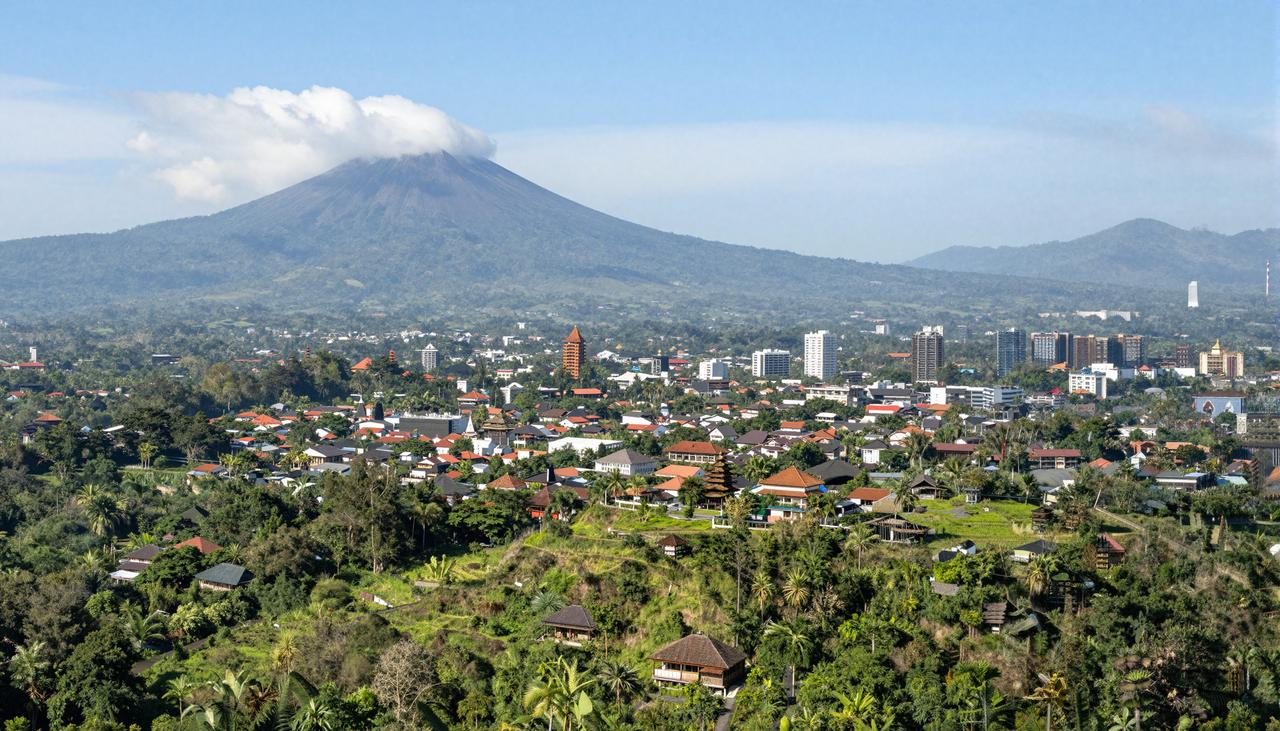
As an archipelagic nation, Indonesia boasts abundant outdoor resources, including volcanoes, beaches, tropical rainforests, and crystal-clear waters. From Bali’s ocean vistas to Lombok’s volcanic landscapes and Sumatra’s pristine jungles, each region offers unique adventure experiences.
The best time for outdoor activities is April to October, when the weather is dry and ideal for hiking and water sports. However, on some islands like Java, certain outdoor pursuits remain feasible during the rainy season (November to March), though frequent rainfall should be taken into account.
In terms of overall difficulty, Indonesia’s outdoor trails are mostly moderate to easy, making them suitable for most travelers. For experienced adventurers, volcano climbs or jungle treks can present greater challenges; it’s advisable to prepare physically and check your gear in advance.
Recommended Outdoor Routes
Route 1: Ubud to Tirta Empul Temple Hike, Bali
- Name: Ubud to Tirta Empul Temple Hike
- Distance/Duration: Approximately 12 km, about 4 hours one way
- Difficulty: ★★★☆☆ (3 stars)
- Highlights: Traverse rice paddies, bamboo groves, waterfalls, and temples, immersing yourself in Bali’s pastoral scenery and spiritual culture
- Getting There: Walk from downtown Ubud or rent a motorbike to reach the trailhead
Itinerary: Start at 8 a.m., follow the stream through rice fields, pass several small villages, and finish at Tirta Empul Temple. Along the way, you’ll encounter traditional water shrines and cascading waterfalls—a perfect opportunity to experience Bali’s natural beauty and cultural heritage.
Rest Stops: A few small shops and cafes along the route; bring your own drinking water and energy bars.
Tips: Wear comfortable, non-slip shoes; avoid midday heat, as some sections may be slippery and require caution.
Route 2: Mount Rinjani Trek, Lombok
- Name: Mount Rinjani Trek
- Distance/Duration: About 25 km round trip, roughly 10 hours
- Difficulty: ★★★★☆ (4 stars)
- Highlights: Climb one of Indonesia’s most active volcanoes and take in views of the crater lake and starry night sky
- Getting There: Take a chartered or shared vehicle from Mataram to the trailhead
Itinerary: Depart at 5 a.m., passing terraced fields, forests, and volcanic rock formations before reaching the summit at 3,726 meters. The sunrise vista is breathtaking; after descending, savor local cuisine at the base of the mountain.
Rest Stops: No supplies on the mountain—bring your own food and water; snacks are available at the trailhead.
Tips: Book a guide in advance, pack warm clothing, and be aware that high altitude can cause altitude sickness.
Route 3: Snorkeling and Island-Circling Bike Ride, Komodo Island
- Name: Snorkeling and Island-Circling Bike Ride, Komodo Island
- Distance/Duration: Snorkeling for about 2 hours, cycling approximately 30 km, full day
- Difficulty: ★★☆☆☆ (2 stars)
- Highlights: Swim alongside Komodo dragons, explore coral reefs, and cycle around the island to admire the coastline
- Getting There: Take a boat from Labuan Bajo port to Komodo Island
Itinerary: Snorkel in the morning, bike the island in the afternoon, and return to the harbor in the evening. Stop at several scenic viewpoints along the way to capture stunning ocean vistas.
Rest Stops: Small shops on the island; bring your own snacks and water.
Tips: Stay safe while snorkeling and avoid touching marine life; inspect your bike before setting out.
Specific Outdoor Experiences
Hiking/Mountaineering: Mount Rinjani
- Start/Finish: Senaru Village → Mount Rinjani Summit
- Altitude: 3,726 meters
- Trail Conditions: Rocky paths with uneven terrain and loose gravel in places
- Time Required: 6–8 hours to ascend, 4–5 hours to descend
Mount Rinjani is one of Indonesia’s most popular trekking routes, suited to hikers with a moderate level of fitness. Set out at dawn, climb steadily along the trail, and enjoy glimpses of primeval forest, waterfalls, and the crater lake. Reaching the summit to witness the sunrise is a dream journey for many travelers.
Water Activities: Snorkeling, Komodo Island
- Location: Waters near Komodo Island
- Cost: Around 200 yuan per person (equipment included)
- Gear Provided: Snorkel mask, breathing tube, and flippers; bring your own waterproof phone case.
Komodo Island is renowned for its rich marine ecosystem. While snorkeling, you may spot manta rays, sharks, and schools of tropical fish. Popular spots include Banta Island and Taka Makassar, which are among the best areas for snorkeling.
Cycling/Driving Route: Lombok Island Ring Road
- Distance: Approximately 130 km
- Scenic Highlights Along the Way: Seraya Bay, Pink Beach ferry terminal, Redang Village, Mount Rinjani
- Car Rental Info: Motorbikes are available in Mataram, costing about 50 yuan per day.
Lombok’s ring road is an excellent route for self-drive or cycling, offering diverse scenery—from serene beaches to dramatic volcanic landscapes. It’s best to set out early to avoid the midday heat and enjoy the sea breeze along the coastal highway.
Local Outdoor Clubs/Guides
- Bali: Bali Trekking Adventure (Tel: +62812-3456-7890), offering Ubud hikes and volcano climbs.
- Lombok: Lombok Adventure Club (Website: www.lombokadventure.com), providing Mount Rinjani treks and water-based activities.
- Komodo Island: Komodo Dive Center (Address: Jl. Raya Labuhan Bajo, Flores), offering snorkeling and diving services.
Gear Checklist and Safety Guidelines
Essential Gear List
| Category | Recommended Items |
|---|---|
| Clothing | Quick-drying tops, sun-protective layers, hat, waterproof jacket, swimsuit |
| Equipment | Trekking poles, headlamp, backpack, water bottle, camera |
| First Aid | Band-aids, pain relievers, insect repellent, motion sickness medication |
| Food | Energy bars, chocolate, dehydrated snacks, water |
Local Emergency Contacts and Rescue Information
- Emergency Center: Sanglah Hospital in Bali (Tel: +62361-223123)
- Fire Department: Indonesia’s national fire hotline 113
- Tourist Assistance: Indonesia Tourist Police (Tel: +6221-1111000)
Weather Changes and Emergency Response
Indonesia’s weather can be unpredictable, especially during the rainy season. Keep an eye on forecasts and, in case of heavy rain or strong winds, seek shelter immediately and stay connected. If you get lost or injured, try to remain in place and wait for rescue.
Insurance Recommendations
Purchase travel insurance covering medical expenses, accidents, and emergency assistance before you depart. Allianz Travel Insurance or AXA Travel Insurance are both widely recommended for their comprehensive coverage and convenient claims process.
Frequently Asked Questions and Tips
Fitness Requirements and Training Advice
- Hiking: Begin with 3–4 weeks of aerobic exercise, such as running or stair climbing.
- Mountaineering: Build leg strength and endurance through weighted training.
- Cycling: Practice short rides to get used to longer distances.
Eco-Friendly Travel and Leave No Trace Principles
- Don’t litter; use reusable water bottles and utensils.
- Avoid disturbing wildlife, picking plants, or damaging natural landscapes.
- Respect local cultures and customs; don’t trespass on private property.
Handling Special Conditions: High Altitude, Heat, Cold, etc.
- Altitude Sickness: If you feel dizzy or nauseous on Mount Rinjani, stop climbing and rest immediately.
- Heat: Stay hydrated and protect yourself from the sun when outdoors in tropical regions; avoid direct exposure at midday.
- Cold: Bring warm clothing for high-altitude areas, especially at night when temperatures drop.
FAQs
Q1: Do I need a guide? A: For most outdoor activities, hiring a local guide is recommended, particularly in remote areas or when language barriers are a concern.
Q2: How do I pay for activities? A: Cash is accepted at most venues, but credit cards and mobile payment options (e.g., GoPay) are also widely available.
**Q3: Can I travel alone? A: Some tours allow individual participation, but traveling with companions is advised for safety.
**Q4: Should I book in advance? A: For popular activities like snorkeling or volcano climbs, reserve at least a week ahead to ensure availability.
**Q5: Are there dietary restrictions? A: Indonesian cuisine centers on rice, meat, and seafood. Vegetarians can inform restaurants in advance; most places can accommodate vegetarian meals.