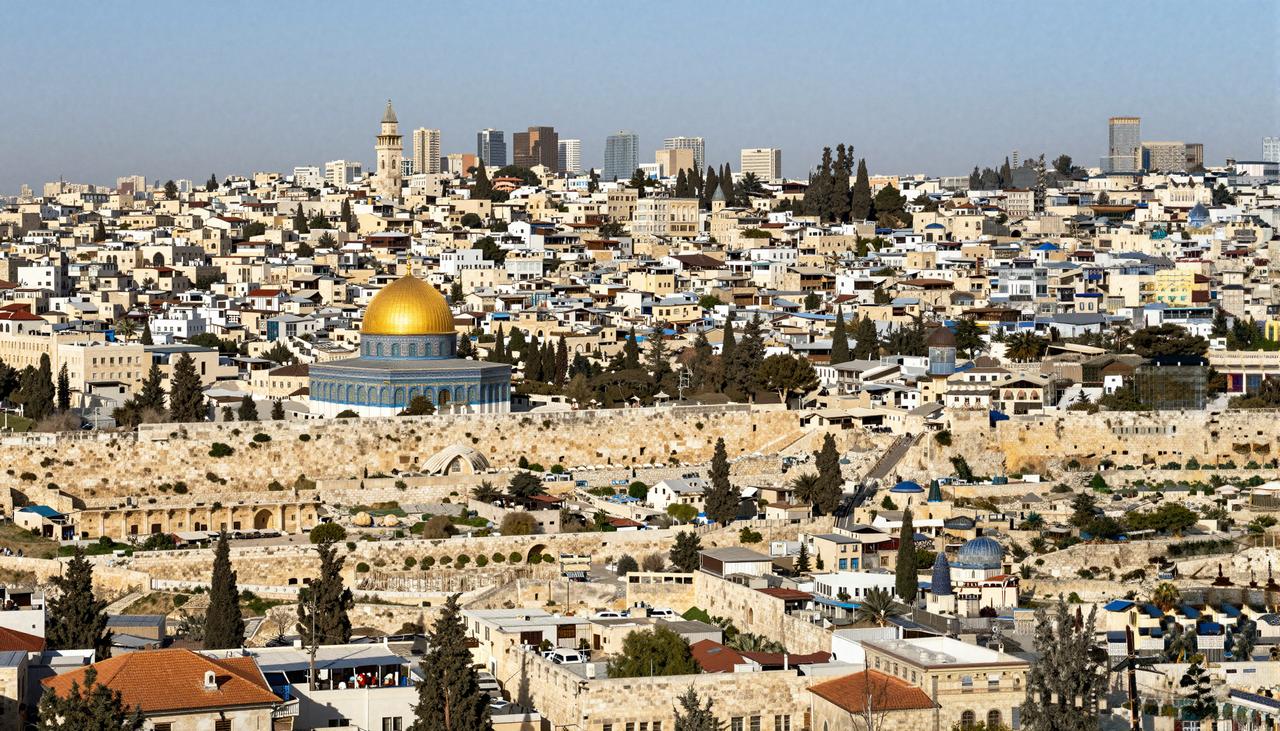
A Quick Overview of History and Culture
Israel is the birthplace of three major world religions and boasts a profound historical legacy intertwined with diverse cultures. From ancient civilization sites to the vibrant face of modern cities, this land carries the shared memories of Judaism, Christianity, and Islam. Jerusalem, as the Holy City, epitomizes the intersection of religion and culture, while Tel Aviv represents Israel’s contemporary dynamism and spirit of innovation. This guide focuses on cultural experiences, blending historical landmarks, religious architecture, and local activities to help visitors deeply appreciate the unique charm of this remarkable region.
Must-Visit Cultural Landmarks
Religious and Historical Sites
1. The Old City of Jerusalem: Divided into the Jewish Quarter, Christian Quarter, Muslim Quarter, and Armenian Quarter, it is one of the oldest urban areas in the world. Highlights include the Western Wall (Wailing Wall), the Temple Mount, and the Al-Aqsa Mosque.
2. The Church of the Holy Sepulchre: One of the most sacred sites in Christianity, believed to be the place where Jesus was crucified, buried, and resurrected.
3. The Israel Museum: Located in Jerusalem, it houses an extensive collection, including the Dead Sea Scrolls, biblical artifacts, and archaeological finds.
4. Baháʼí World Centre at Mount Carmel: Situated in Haifa, this is the spiritual and administrative center of the Baháʼí Faith, featuring the stunning Shrine of the Báb and beautifully landscaped gardens.
5. Acre Old City: A UNESCO World Heritage Site, preserving Crusader-era walls and fortifications.
Modern Cultural and Artistic Venues
6. Tel Aviv’s White City: Comprising Bauhaus-style buildings, it is a UNESCO World Heritage Site, showcasing early 20th-century modernist architecture.
7. Tel Aviv Museum of Art: Exhibits Israeli history, art, and folk traditions, offering insight into the local cultural context.
8. The Holocaust Memorial in Haifa: Commemorates the Jews who perished during World War II, providing a powerful educational experience.
9. Ramat Gan Art Gallery: A hub for exhibitions, performances, and creative workshops, serving as a cultural heart of Tel Aviv.
Cultural Quarters and Markets
10. Jerusalem’s Mahane Yehuda Market: A historic bazaar where you can explore local handicrafts, spices, and traditional cuisine.
11. Tel Aviv’s Shuk HaCarmel Market: A lively marketplace that reflects the everyday life of locals.
12. Haifa’s Old City: Preserves Ottoman-era architecture, perfect for leisurely strolls and photography.
Immersive Experiences
Craft Workshops
In select neighborhoods of Tel Aviv or Jerusalem, you can participate in pottery, woodcarving, or jewelry-making classes, some of which offer guided tours in multiple languages.
Traditional Performances and Festivals
- Jerusalem Music Festival (June each year): Brings together musicians from around the globe, featuring numerous free concerts.
- Tel Aviv International Film Festival (October each year): Screens films from across the world.
- Passover (Spring): A Jewish holiday marked by family gatherings and ceremonial rituals.
Guided Tours and Commentary
Opt for professionally guided itineraries, such as historical tours of Jerusalem or hikes along the Dead Sea. Some sites, especially religious ones, require advance reservations.
Sample Daily Cultural Itineraries
Day 1: Jerusalem – A Journey Through History and Culture
- Morning: Visit the Western Wall, the Temple Mount, and the Church of the Holy Sepulchre.
- Afternoon: Explore the Old City of Jerusalem, including Mahane Yehuda Market and the Jewish Quarter.
- Evening: Enjoy a traditional dance performance in Tel Aviv or Jerusalem.
Day 2: The Israel Museum and Its Surroundings
- Morning: Discover the Israel Museum, focusing on the Dead Sea Scrolls exhibit.
- Afternoon: Head to Jaffa Old City and wander its ancient Mediterranean streets.
- Evening: Dine in Tel Aviv and soak up the city’s night-time ambiance.
Day 3: Religion Meets Nature
- Morning: Tour the Baháʼí Gardens and the Shrine of the Báb on Mount Carmel.
- Afternoon: Travel to the Galilee region, visiting Tiberias and Cana.
- Evening: Return to Jerusalem for a nighttime light show or street performer event.
Day 4: Modern Culture and Art
- Morning: Explore Tel Aviv’s White City and the Tel Aviv Museum of Art.
- Afternoon: Shop and dine at Shuk HaCarmel Market.
- Evening: Attend a local theater production or concert.
Day 5: Reflection and Remembrance
- Morning: Visit the Holocaust Memorial in Haifa and Acre Old City.
- Afternoon: Return to Jerusalem for some free time or souvenir shopping.
- Evening: Wind down your trip and prepare for departure.
Cultural Etiquette and Taboos
- Maintain silence at religious sites and refrain from loud conversations or photography.
- Dress modestly, particularly when visiting churches, mosques, or synagogues.
- Respect local customs, such as avoiding electronic devices on Jewish Sabbath.
- Avoid physical contact, especially in public spaces.
- Speak softly in public and avoid any disrespectful behavior.
Budget Breakdown + Travel Tips + FAQs
Estimated Daily Budget (per person)
| Category | Estimated Cost (NIS) |
|---|---|
| Round-trip Airfare | 5,000–8,000 |
| Accommodation (5 nights) | 3,000–5,000 |
| Meals | 2,000–3,000 |
| Tickets & Tours | 1,000–1,500 |
| Transportation | 1,000–1,500 |
| Miscellaneous | 1,000–2,000 |
| Total | 13,000–20,000 |
Common Pitfalls to Avoid
- Unpredictable Opening Hours: Some churches or mosques may close unexpectedly; confirm hours beforehand.
- Inaccurate Public Transport Info: Routes change frequently—use mapping apps for real-time updates.
- Fluctuating Admission Prices: Rates vary by season or holiday; book in advance.
- Advance Reservations Required: Certain areas of the Old City, museums, and more often need pre-booking via official channels.
- Crowds During Peak Season: Holidays see large influxes of visitors—plan accordingly or travel off-peak.
- Beware of Souvenir Vendors: Stick to reputable shops to avoid counterfeit goods or overpriced items.
Frequently Asked Questions
Q: Do I need a visa? A: Citizens of most countries can enter visa-free, but check with your embassy for specific requirements.
Q: What’s the best time to visit? A: April–June and September–October offer pleasant weather, avoiding both summer heat and winter rains.
Q: Will I need a translation tool? A: English is widely spoken, though older locals may communicate only in Hebrew or Arabic.
Q: How safe is it to travel here? A: Overall safety is good, but stay vigilant with personal belongings and avoid walking alone late at night.
Sources for Further Information
- Official Tourism Authority: Israel Ministry of Tourism website (https://www.israel.travel)
- Attraction Websites: Israel Museum, Baháʼí World Centre, etc.
- Mapping Platforms: Google Maps, Waze, Yandex Maps
- Transport Authorities: Israel Rail, Metropoli (buses), Mamad (metro)
- Local News Outlets: Haaretz, Ynet, Times of Israel