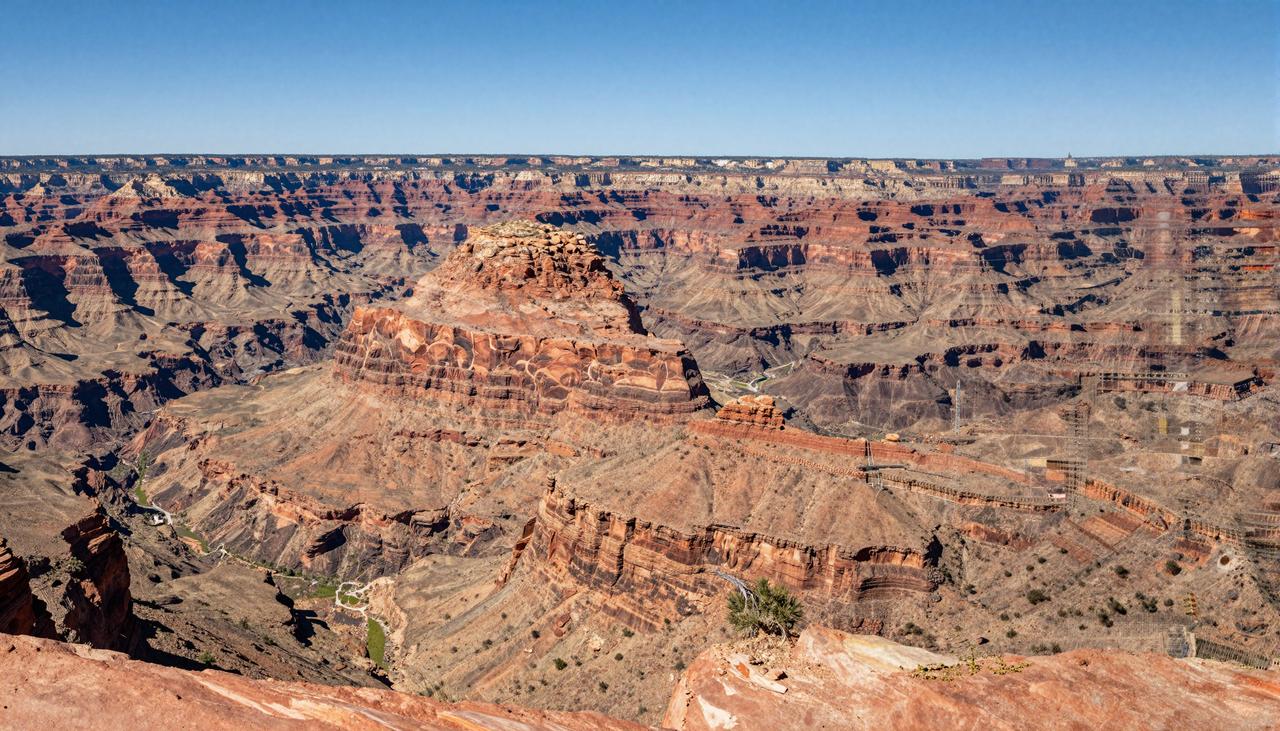
As one of America’s most iconic cities, Las Vegas is often mistakenly seen as nothing more than casinos and shows. In reality, the area surrounding the city boasts an abundance of outdoor treasures—ranging from the Mojave Desert and the Grand Canyon to the striking red rock formations—all of which are must-see destinations for nature lovers. If you’ve had your fill of nightlife, why not embark on a genuine outdoor adventure and experience the grandeur and tranquility of Mother Nature?
Day 1: Desert Hiking and Sunset Photography
Trail Name: Mescal Dunes
Distance: Approximately 12 miles (round trip)
Difficulty: Moderate
Highlights: Vast golden dunes, dramatic light and shadow at sunset, perfect photo opportunities
Located about a 30-minute drive south of Las Vegas, Mescal Dunes is one of the region’s most popular desert hiking spots. The shifting sands here change color with the sun, making it a dream destination for photographers. It’s best to set out early in the morning to avoid the midday heat while capturing the most beautiful sunrise and sunset light. The trail passes through several dry riverbeds and features some steep sections, so be sure to wear non-slip footwear and stay well hydrated.
Gear Recommendations: Lightweight hiking shoes, sunscreen, a hat, a water bottle (at least 2 liters), sunglasses, a camera, and snacks.
Safety Tips: Avoid hiking alone. Keep your phone charged, and it’s always safer to go with a partner.
Day 2: Red Rock Canyon and Canyon Hiking
Route Name: Red Rock Canyon Scenic Byway
Distance: About 30 miles (loop)
Difficulty: Easy to moderate
Highlights: Red rock landscapes, wildlife, multiple hiking trails, family-friendly
Red Rock Canyon is one of the most beloved outdoor destinations near Las Vegas, just a 30-minute drive from downtown. With its breathtaking red cliffs and a variety of trails suited to different fitness levels, it’s an ideal spot for visitors of all ages. Start with the Canyon Trail, a roughly 6-mile loop that offers stunning views of unique geological formations and distant mountain ranges.
In addition to hiking, you can take a scenic drive along the byway, stopping at several overlooks to snap photos and enjoy the scenery. If time permits, head over to Sloan Canyon National Conservation Area for even more pristine natural beauty.
Best Time to Visit: March to May or September to November—mild temperatures and plenty of sunshine.
Gear Recommendations: Comfortable walking shoes, sun protection, water, binoculars (for wildlife spotting), and picnic supplies.
Safety Tips: Stay alert to changing weather conditions; sudden rain showers can occur in the mountains. Keep communication devices handy.
Day 3: Hiking on the Grand Canyon’s East Rim
Trail Name: Bright Angel Trail
Distance: About 10 miles (one way)
Difficulty: Moderate to strenuous
Highlights: Breathtaking canyon vistas, stargazing, guided tours available
While the West Rim (such as Horseshoe Bend) is more famous, the Bright Angel Trail on the East Rim is equally rewarding, particularly for experienced hikers. This trail descends from the rim into the canyon, passing through diverse ecosystems before reaching the Colorado River. The full hike takes about 10 miles and requires a full day, so be sure to pack ample supplies.
Due to the Grand Canyon’s significant elevation changes and rapidly shifting weather, it’s wise to start early in the morning to escape the afternoon heat. If time is limited, opt for a shorter route like the South Kaibab Trail, which still delivers awe-inspiring canyon views despite its shorter length.
Best Time to Visit: Spring and fall—avoid the intense summer heat and winter snow/ice.
Gear Recommendations: Sturdy hiking boots, trekking poles, at least 3 liters of water, food, a first-aid kit, a headlamp, and warm layers.
Safety Tips: Always inform someone of your plans, never venture into remote areas alone, and respect local wildlife.
Day 4: Water Activities and Relaxation
Activity: Hoover Dam and Lake Mead
Types: Boating, kayaking, snorkeling, picnicking by the shore
Highlights: Majestic dam, picturesque lake views, water sports, leisurely relaxation
Hoover Dam is one of the most iconic landmarks near Las Vegas and also serves as a fantastic base for water-based activities. Lake Mead, the largest man-made reservoir in the U.S., offers crystal-clear waters perfect for boating, kayaking, or even snorkeling. If swimming isn’t your thing, simply settle down for a picnic by the shore and soak up the sun and serene lake scenery.
Consider renting a boat from Laguna Beach or Parkside Marina near the dam; booking in advance is recommended. For something more thrilling, try jet skiing or paddleboarding.
Best Time to Visit: Spring and fall. Summers can be scorching, while winters tend to be chilly.
Gear Recommendations: Swimsuit, sunscreen, a waterproof bag, life jacket (if needed), and an underwater camera.
Safety Tips: Follow all water safety guidelines, keep a safe distance from the dam, and be mindful of tidal fluctuations.
Outdoor Travel Tips
- Transportation: Public transit within Las Vegas is convenient, but renting a car is advisable for accessing remote outdoor attractions, especially Red Rock Canyon and the Grand Canyon.
- Accommodation: Hotels in the city center can be pricey. Consider staying in suburban areas or nearby towns like Henderson or Boulder City to save money.
- Budget Estimate: Around $100–$150 per day, covering meals, lodging, transportation, and entrance fees.
- Language: English is the primary language, though some sites offer Chinese-language guides or informational signs.
- Environmental Awareness: Please do not litter and help preserve these natural wonders.
Las Vegas’s outdoor offerings extend far beyond the glitz and glamour of the Strip. They provide a chance to explore nature and challenge yourself. Whether you’re hiking, biking, or boating, you’ll find your own rhythm amidst the desert and canyons. Get ready—this is your invitation to an authentic outdoor adventure!