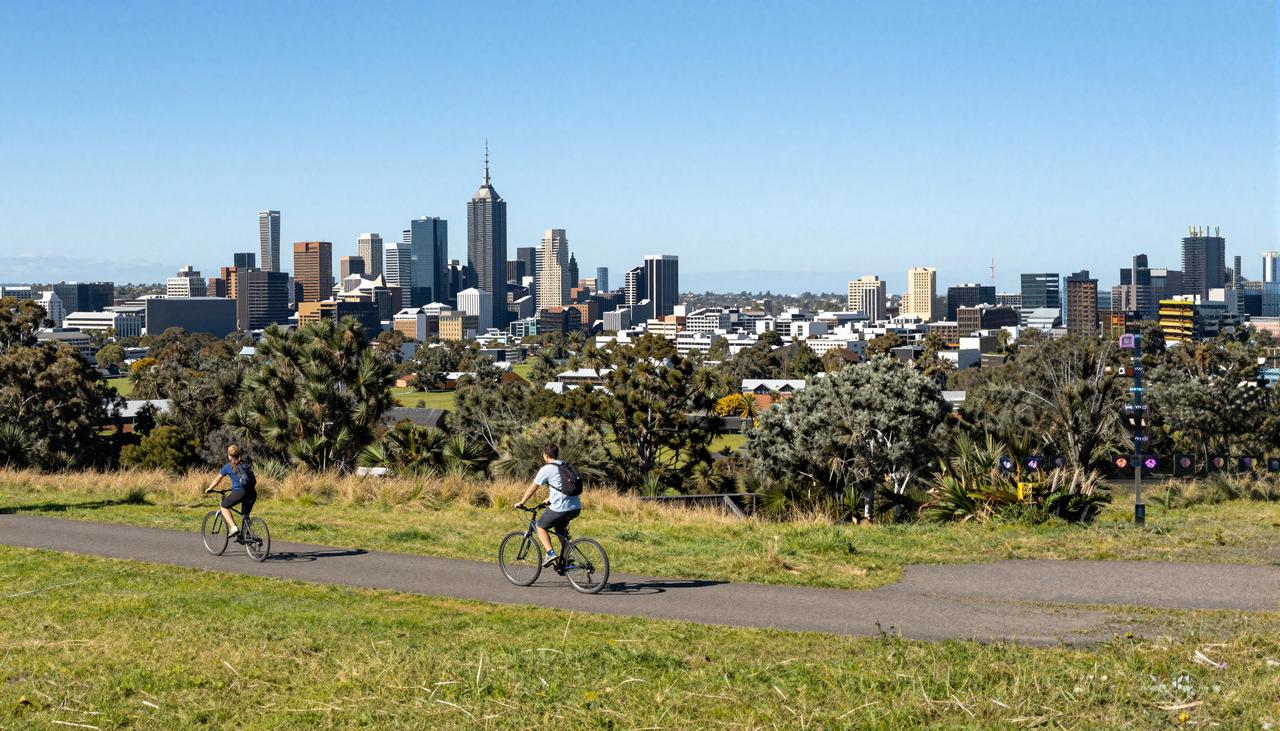
Melbourne is not only renowned for its culture, arts, and coffee scene, but also serves as a premier destination for outdoor adventures. Whether you’re cycling along the coastline, trekking through lush forests, or paddling on serene lakes, this vibrant city has something to satisfy your craving for nature. Below is a four-day outdoor travel guide, blending authentic experiences with practical tips to help you plan your itinerary.
Day 1: Coastal Cycling Around Phillip Bay
Route Name: Phillip Island Coastal Walk
Distance: Approximately 50 km (can be broken into sections)
Difficulty: Beginner to Intermediate
Highlights: Scenic coastal views, wildlife spotting, sunset vistas
Phillip Bay, located just east of Melbourne, boasts a sprawling network of bike paths stretching for dozens of kilometers—perfect for cycling enthusiasts. Starting from Sorrento, riders can enjoy sweeping ocean vistas, dramatic cliffside scenery, and abundant wildlife. Along the way, there are numerous rest stops and lookout points, making it easy to pause and soak in the breathtaking surroundings. As the day winds down, consider camping by the sea or heading straight back into the city.
Gear Recommendations: Bicycle, helmet, sunscreen, water bottle, lightweight backpack, windproof jacket.
Safety Tips: Pay attention to traffic signals, avoid riding at night, and bring a portable phone charger.
Day 2: Yarra River Trail Hike with Lakeside Picnic
Route Name: Yarra River Trail
Distance: Roughly 10–15 km (choose your preferred section)
Difficulty: Beginner
Highlights: A seamless blend of urban and natural settings, verdant greenery, family-friendly
Melbourne itself offers plenty of fantastic hiking options, with the Yarra River Trail being one of the most popular. Begin near Melbourne Central Station and follow the riverbank, passing parks, open spaces, and recreational facilities along the way. This route is ideal for beginners and great for families with children. Midway through, find a quiet spot by the water to enjoy a leisurely picnic and unwind.
Best Season: Spring and autumn offer pleasant weather; summers can be hot, while winters are slightly cooler.
Tips: Wear comfortable footwear, protect yourself from the sun, and carry plenty of water.
Day 3: Port Campbell National Park Trekking
Route Name: Port Campbell National Park
Distance: Around 10–15 km (main trail)
Difficulty: Moderate
Highlights: Twelve Apostles, limestone coastlines, stunning ocean views
Situated southwest of Melbourne, Port Campbell National Park is home to some of Australia’s most iconic coastal landscapes. Its striking limestone formations and sea stacks create a truly unique natural spectacle, with the Twelve Apostles being a must-see for photographers. The park features both coastal boardwalks and mountain trails, catering to hikers with moderate fitness levels.
Best Season: Autumn (March–May) brings stable weather and the most picturesque scenery.
Gear Suggestions: Waterproof shoes, a hat, sunglasses, a camera, and ample supplies of water and snacks.
Safety Reminders: Be mindful of tidal changes, stay clear of cliff edges, and adhere to park regulations.
Day 4: Optional Tasmanian Island Adventure
Route Name: One-Day Trip to Tasmania (ferry booking required)
Distance: Approximately 180 km round trip (including ferry ride)
Difficulty: Moderate
Highlights: Pristine rainforests, cascading waterfalls, native wildlife, and island charm
If time permits, carve out a day to explore Tasmania, a nearby island brimming with natural beauty. Take a ferry to destinations like Cradle Mountain or Cape Hauk, where you’ll discover a variety of hiking trails suited for intrepid adventurers.
Budget Estimate: Ferry tickets cost roughly $60–80 AUD, with additional expenses for entrance fees and meals.
Important Notes: Confirm ferry schedules in advance, pack sufficient food and water, and keep an eye on local weather conditions.
Outdoor Activity Recommendations
- Hiking: Port Campbell National Park, Yarra River Trail
- Cycling: Phillip Island Coastal Walk
- Water Activities: Kayaking in Port Phillip Bay, sailing around Phillip Bay
- Rock Climbing: Eastern Melbourne hills (e.g., The Gorge)
Best Time to Visit & Weather Tips
Melbourne experiences distinct seasons, yet outdoor activities can be enjoyed year-round. Spring (September–November) and autumn (March–May) are particularly ideal, offering mild temperatures and spectacular scenery. While summer (December–February) can be warm—perfect for sun-seekers and beach lovers—winter (June–August) leans more toward indoor pursuits and relaxing spa visits.
Packing List & Safety Guidelines
- Essentials: Comfortable walking shoes, sunscreen, a hat, sunglasses, a water bottle, and a lightweight backpack.
- Advanced Gear: Trekking poles, waterproof clothing, a headlamp, and a first-aid kit.
- Safety Tips: Familiarize yourself with your route, inform someone of your plans, avoid traveling alone, and monitor weather forecasts.
Melbourne’s outdoor offerings are diverse and dynamic, ensuring there’s an adventure to suit every taste—whether you’re chasing a challenge or simply looking to reconnect with nature. This guide draws on real traveler insights and expert advice, designed to help you craft unforgettable outdoor memories in this remarkable city.