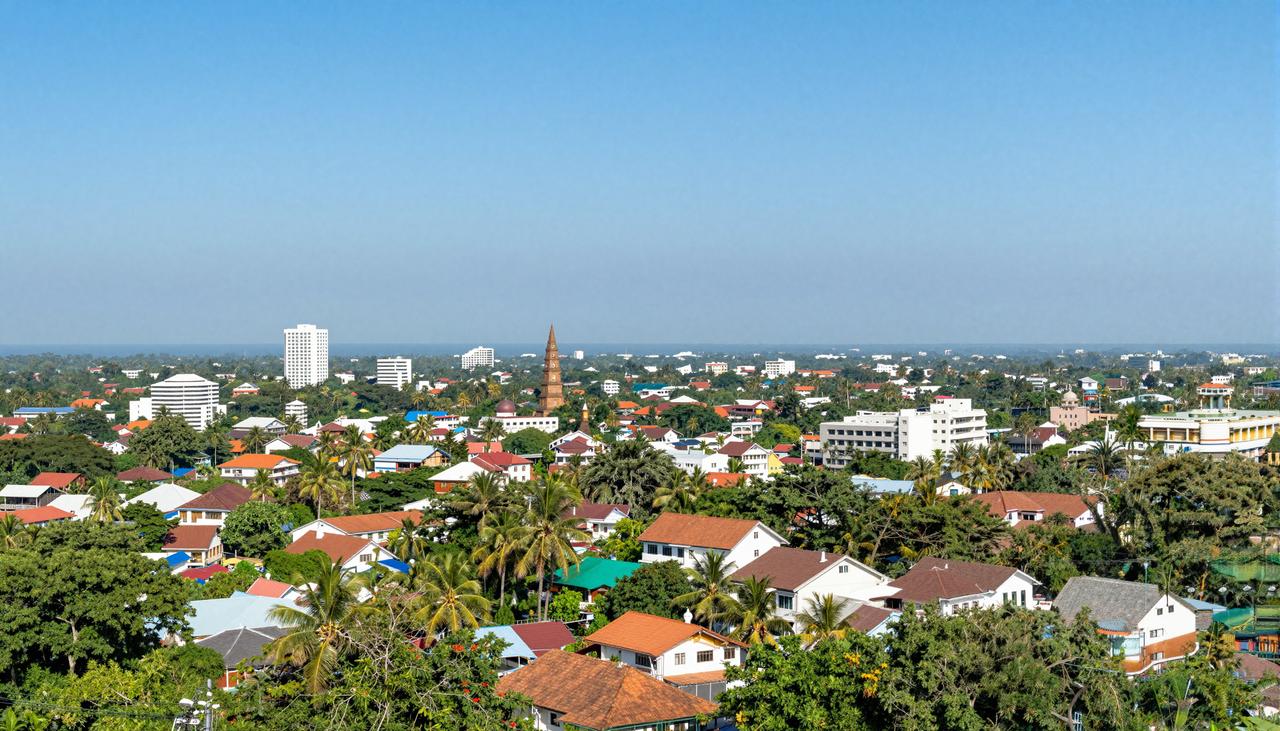
A Quick Guide to History and Culture
Colombo is Sri Lanka’s economic and cultural hub, boasting a long history and a rich cultural heritage. Once a British colonial outpost, the city blends elements of Hindu, Buddhist, and Islamic cultures. Beyond being a political and commercial center, Colombo is also a crossroads of religion and art. From ancient Buddhist temples to modern architecture, the cityscape reflects the harmonious coexistence of diverse cultures. Visitors can gain deep insights into local lifestyles and belief systems by exploring historical sites, participating in traditional activities, and wandering through bustling markets.
Must-Visit Cultural Landmarks
Museums and Historical Sites
Sigiriya Rock Fortress: Located north of Colombo, this iconic ancient site is one of Sri Lanka’s most famous landmarks. Built in the 5th century AD as a royal palace, it features gardens, moats, and impressive defensive structures.
Anuradhapura: Also north of Colombo, this was one of Sri Lanka’s earliest capitals and is home to numerous Buddhist relics, including the sacred Bodhi Tree, stupas, and stone inscriptions.
Colombo National Museum: Housing an extensive collection of Sri Lankan artifacts—ancient sculptures, pottery, and manuscripts—this museum is the perfect starting point for understanding the country’s culture.
Buddharaja Vihara: A historic Buddhist temple built in the early 19th century, known for its distinctive architectural style.
St. Paul’s Church: One of Sri Lanka’s oldest European-style churches, dating back to 1830 and a prime example of colonial-era architecture.
Religious and Cultural Venues
Kandy Temple of the Tooth: Though not in Colombo, this revered site is worth a day trip. It houses a tooth relic of the Buddha and is one of Sri Lanka’s most important Buddhist pilgrimage destinations.
Colombo Grand Mosque: One of the largest mosques in the country, blending Mughal and Islamic architectural influences.
Colombo Botanical Garden: A lush oasis showcasing an incredible array of tropical plants, ideal for relaxation and learning about nature.
Colombo Sea Life Aquarium: Offers a fascinating glimpse into Sri Lanka’s coastal ecosystems, making it a great outing for families.
Colombo City Library: Boasting an extensive collection, the library regularly hosts cultural talks and exhibitions.
Colombo Municipal Council Building: A neoclassical edifice and a key administrative center of the city.
Immersive Cultural Experiences
Hands-On Crafts
In Colombo’s Fort Area, you’ll find many artisan shops such as Sri Lanka Handicrafts and Makarana Gallery, offering traditional wood carvings, embroidery, and jewelry. Some stores even provide hands-on workshops, perfect for travelers eager to try their hand at local crafts.
Traditional Performances and Festivals
Colombo Theatre: Regularly stages traditional dance performances, including Kandyan Dance and Guruma Dance, which beautifully showcase Sri Lanka’s ethnic identity.
Festivals in Colombo: If your visit coincides with the right time, consider joining celebrations like Aluth Avurudu (Sinhalese New Year) or Pongal (Tamil New Year) to soak up the local festive spirit.
Guided Tours
Opt for a local guide or book a cultural tour through platforms like TripAdvisor to gain deeper insights into Colombo’s history and architectural highlights. Many tours include complimentary tea breaks or light snacks.
Daily Cultural Itineraries
Day 1: A Taste of Culture
Morning: Visit the Colombo National Museum to explore Sri Lanka’s history and art.
Afternoon: Wander through Colombo’s Fort Area, discovering colonial-era buildings and artisan shops.
Evening: Enjoy a traditional dance performance at the Colombo Theatre.
Day 2: Religion and History
Morning: Pay respects at Buddharaja Vihara and learn about Buddhist culture.
Afternoon: Tour St. Paul’s Church to appreciate its colonial religious architecture.
Evening: Stroll along Port City Colombo and take in the night views.
Day 3: Nature and Leisure
Morning: Head to the Colombo Botanical Garden to admire its tropical flora.
Afternoon: Shop and dine in Ceylon Place, Colombo’s vibrant downtown area.
Evening: Explore marine life at the Colombo Sea Life Aquarium.
Day 4: Heritage and Farewell
Morning: Join a craft workshop to try your hand at traditional weaving or carving.
Afternoon: Spend time reading or attending a cultural talk at the Colombo City Library.
Evening: Savor local cuisine near the Colombo Municipal Council Building and bid farewell to the city.
Cultural Etiquette and Taboos
In Colombo, respecting local religious customs is essential. Always remove your shoes before entering temples, and women should avoid wearing revealing clothing. Seek permission before taking photos, especially at religious sites. Keep noise levels down in public spaces and use polite language. Additionally, steer clear of political discussions to avoid misunderstandings.
Budget Breakdown + Travel Tips + FAQs
Budget Overview (Approximately USD 300–400 per person)
| Category | Estimated Cost (USD) |
|---|---|
| Accommodation | 150–250 |
| Meals | 60–80 |
| Local Transport | 30–50 |
| Entrance Fees | 20–40 |
| Tours/Experiences | 30–60 |
| Miscellaneous | 40–70 |
Travel Tips
- Avoid Unlicensed Guides: Book tours through reputable agencies or trusted platforms to ensure safety and quality.
- Beware of Lowball Deals: Discount travel packages may come with hidden fees or poorly planned itineraries.
- Exchange Currency Wisely: Refrain from exchanging money on the street; opt for banks or authorized exchange counters instead.
- Choose Eateries Carefully: Sidestep overpriced tourist traps around attractions and seek out local favorites.
- Watch Out for Pushy Sales Tactics: In markets or craft shops, resist pressure to buy expensive items.
- Plan Your Transport Ahead: Colombo’s traffic can be chaotic; use taxis or ride-hailing apps and confirm fares in advance.
FAQs
Q: Is Colombo safe for solo travelers? A: Yes, Colombo is generally safe for independent travelers, but remain vigilant, especially at night.
Q: Do I need a visa? A: Citizens of most countries can enter Sri Lanka visa-free for stays of up to 30 days.
Q: What languages are spoken here? A: The official languages are Sinhala and Tamil, but English is widely understood in tourist areas.
Q: When’s the best time to visit? A: November to April offers pleasant weather and is ideal for outdoor activities.
Recommended Resources
- Official Tourism Board: Sri Lanka Tourism Board
- Attraction Websites: Colombo National Museum, Colombo Theatre, etc.
- Mapping Apps: Google Maps, Waze
- Transportation Sites: Ceylinco Railway, Colombo Public Transport System
- Travel Platforms: TripAdvisor, Booking.com, Airbnb